Mujhse Dosti Karoge!
2002
No user ratings available yet
Diversity score: 2.7 out of 10
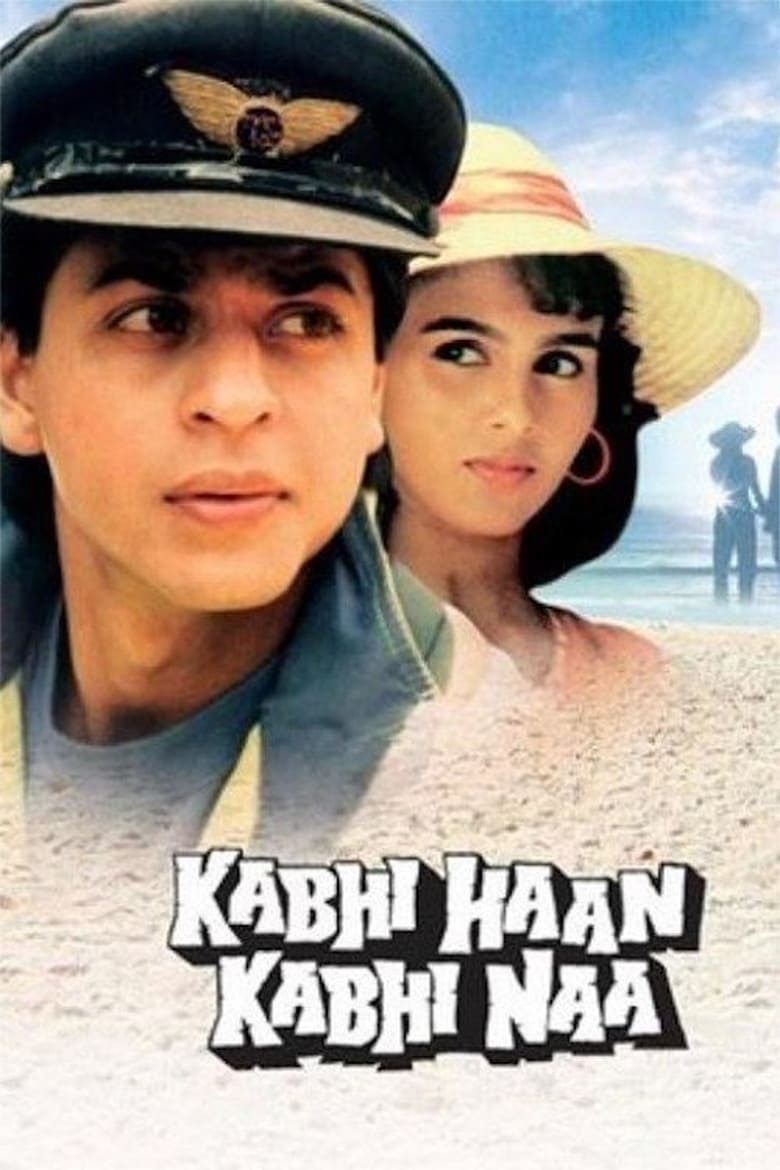
1994
Director
Kundan Shah
Runtime
158 minutes
Average Rating
No ratings yetSynopsis
A man belongs to a middle-class family and is intent on pursuing his career with a music group, despite his dad's disapproval. He is also in love with the lead singer, but she sees him mainly as a friend.
Overall Score
Fair
Category Breakdown
LGBTQ+ Representation
The film follows a traditional heteronormative romantic structure. There is no presence of queer subtext or non-cisnormative identities.
Gender Representation
Sunil serves as the primary plot driver, yet he avoids hyper-masculine tropes. The female lead maintains significant emotional authority over the protagonist.
Racial & Ethnic Diversity
The story provides an authentic portrayal of the Mumbai middle-class experience. It centers a localized reality rather than a Western-normative gaze.
Religious & Cultural Diversity
The narrative explores moral relativism through the lens of class struggle. It uses comedic necessity to critique rigid capitalist survival structures.
Disability Representation
There is no significant depiction of physical, neurodivergent, or sensory disabilities. Characters are defined by socioeconomic status and romance.
Strengths
Areas for Improvement
AI Analysis
Kabhi Haan Kabhi Naa distinguishes itself by subverting the invincible hero archetype common in mainstream cinema. By presenting a flawed, vulnerable protagonist, the film offers a more humanistic look at the struggles of the urban working class. While the film lacks explicit intersectional representation regarding LGBTQ+ or disability inclusion, it excels in its cultural authenticity. It captures the specific socioeconomic textures of Mumbai without relying on idealized or homogenized narratives. Ultimately, the film's strength lies in its moral complexity. It challenges traditional binaries of good and evil by framing survival-based deceptions through a lens of comedic necessity.
No reviews yet. Be the first to share your thoughts on this movie!
Use the rating form above to leave a star rating and optional review.