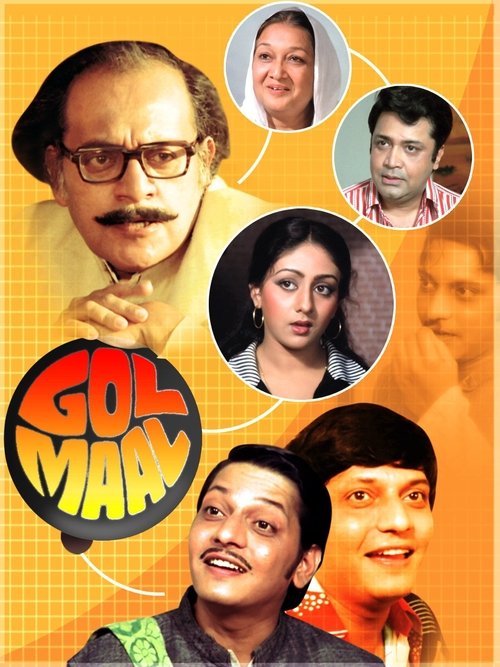
Gol Maal
1979
No user ratings available yet
Representation score: 1.8 out of 10
Representation Score
Limited
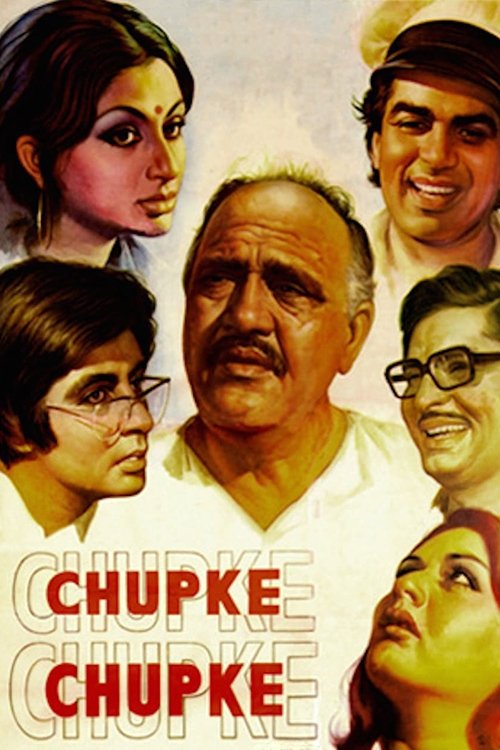
1975
Not RatedDirector
Hrishikesh Mukherjee
Runtime
129 minutes
Average Rating
No ratings yetNew Showbiz Analysis
Chupke Chupke is a social comedy that prioritizes domestic harmony and traditional interpersonal dynamics. The film uses mistaken identity and class-based humor to entertain, rather than to challenge systemic power structures. The narrative architecture is rooted in social cohesion and the preservation of established hierarchies, reflecting the cultural and temporal setting of 1970s India. Ultimately, the film celebrates domestic stability while avoiding progressive disruptions, maintaining the social and cultural norms of its era.
Category Breakdown
The film focuses on traditional courtship and does not depict any non-assuming gender matches what was assigned at birth identities or same-sex relationships.
The female lead is shown to have intellectual depth, but the comedy often relies on men performing domestic roles, reinforcing traditional gender roles.
The cast is ethnically uniform, reflecting the demographics typical of 1970s urban India without introducing diverse or race-bent casting.
The story emphasizes middle-class values and social decorum, celebrating domestic stability and interpersonal etiquette without challenging broader social norms.
There are no central characters with visible or invisible disabilities, and disability is not used as a plot device.
Present on Screen
Limited or Absent
Official Synopsis
Sulekha is in awe of her brother-in-law Raghavendra for his intelligence. Parimal, her husband, decides to take up the challenge of fooling Raghavendra and goes to work for him as a driver.
1979
2006

1997
1990
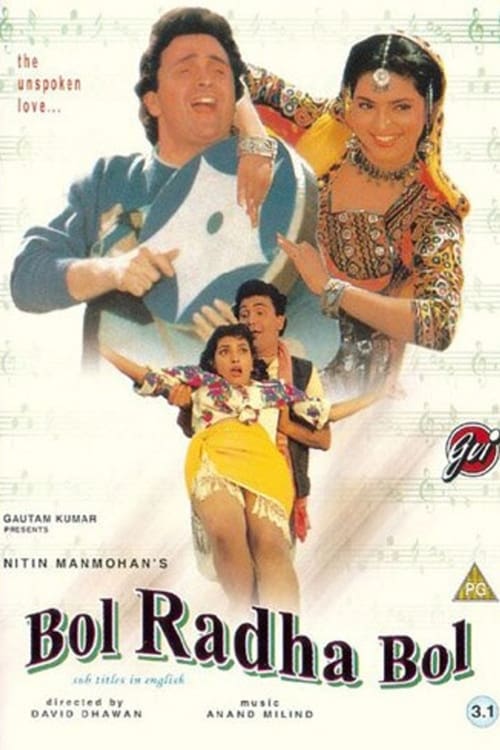
1992
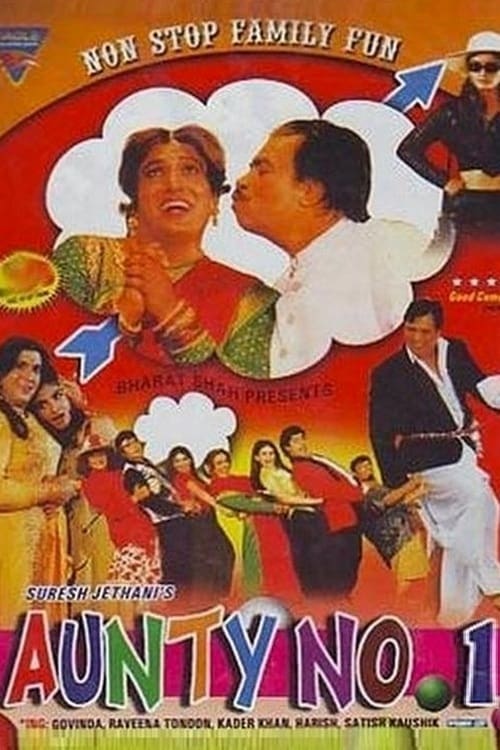
1998
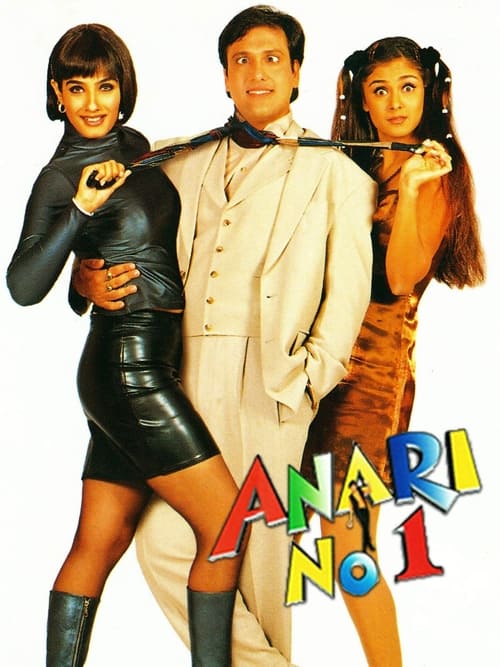
1999

2020
No reviews yet. Be the first to share your thoughts on this movie!
Use the rating form above to leave a star rating and optional review.