Tangos Are for Two
1998
No user ratings available yet
Representation score: 7.9 out of 10
Representation Score
Good
1997
PGDirector
Sally Potter
Runtime
100 minutes
Average Rating
No ratings yetNew Showbiz Analysis
Sally Potter’s work stands out for its sophisticated disruption of traditional gender roles. By focusing on the female perspective, the film allows the protagonist to reclaim her body and focus on her internal development. However, the film remains limited in its representation of diverse identities, with a predominantly white cast and a narrow demographic focus. Ultimately, the film is a progressive exploration of subjective experiences, using a postmodern lens to deconstruct traditional storytelling.
Category Breakdown
The film focuses on heterosexual relationships and does not include explicit LGBTQ+ characters or themes. However, it explores personal desires and intimate connections.
The film centers on the protagonist's psychological and artistic journey, challenging traditional gender roles. It prioritizes the female perspective, emphasizing her intellect and physical abilities.
The cast is primarily white, reflecting a specific urban artistic community. The film does not deeply explore racial diversity or intersectionality.
The film adopts a secular, postmodern perspective that downplays traditional religious authority. It uses a fragmented narrative structure to challenge conventional Western storytelling.
The film portrays characters within a typical able-bodied context. There are no significant depictions of physical or cognitive disabilities.
Present on Screen
Limited or Absent
Official Synopsis
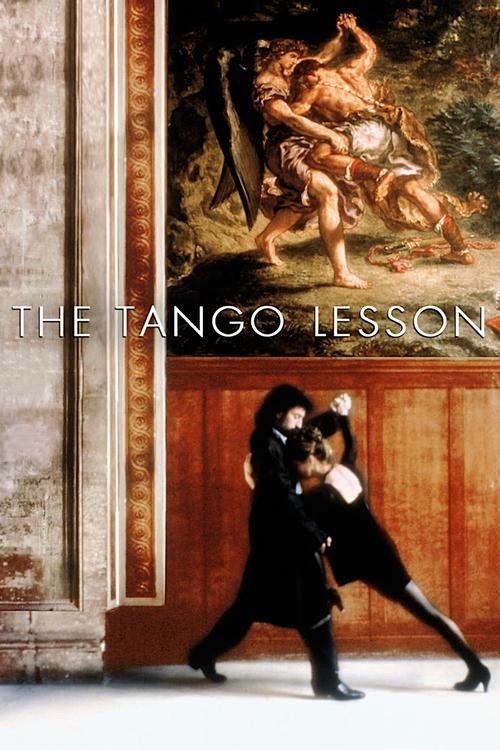
On a trip to Paris Sally meets Pablo, a tango dancer. He starts teaching her to dance then she returns to London to work on some "projects". She visits Buenos Aires and learns more from Pablo's friends. Sally and Pablo meet again but this time their relationship changes, she realises they want different things from each other. On a trip to Buenos Aires they cement their friendship.
1998
1996
1934
2000
1986
1995
1984
1986
No reviews yet. Be the first to share your thoughts on this movie!
Use the rating form above to leave a star rating and optional review.