El Noa Noa
1981
No user ratings available yet
Representation score: 5.7 out of 10
Representation Score
Good
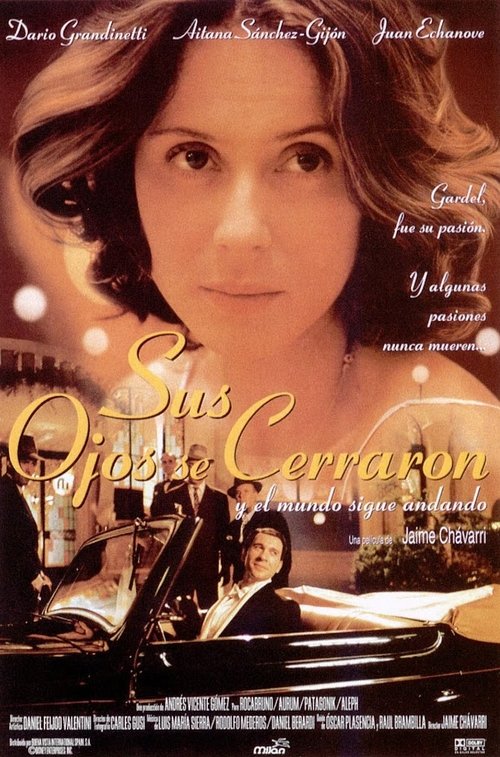
1998
PG-13Director
Jaime Chávarri
Runtime
93 minutes
Average Rating
No ratings yetNew Showbiz Analysis
Tangos Are for Two is a character-driven drama that emphasizes cultural specificity and women's ability to drive the story. By focusing on Juana Romero, the film moves away from traditional period-drama clichés where women are mere observers. The film excels at capturing the essence of Argentine identity through the tango, providing a rich, non-Eurocentric atmosphere. However, it remains limited by its reliance on traditional romantic structures and a somewhat narrow approach to mental health and identity. Ultimately, the film offers a nuanced exploration of memory and myth, even if it does not fully deconstruct broader social hierarchies.
Category Breakdown
The film focuses on heterosexual romances involving Juana and the men in her life. There is no depiction of same-sex intimacy or LGBTQ+ identities.
Juana Romero actively drives the plot through her choices, challenging the traditional role of a passive female observer.
The film centers on the Latin American experience and the tango tradition of Argentina, avoiding a Eurocentric perspective and emphasizing regional identity.
The film prioritizes the emotional and spiritual experiences of the characters over rigid institutional doctrines, focusing on personal truths.
Mental health is portrayed through Juana, who is perceived as crazy by her community. This portrayal may rely on the 'madwoman' cliché.
Present on Screen
Limited or Absent
Official Synopsis
A woman's voice says she was wife to Renzo Franchi and Carlos Gardel (1890-1935), Argentina's great tango singer. People say she's crazy. Her story unfolds. Buenos Aires, 1933: Juana Romero, a seamstress who lives for the music of Gardel, dumps her boyfriend Gustavo for Renzo, a singer who looks like Gardel. She insists that his trio performs Gardel's tangos, which leads to Renzo recording a Ford commercial when Gardel himself is overbooked. The trio, with Joanna in tow, goes on an ill-fated tour of points north. The couple breaks up: she goes home and he tries to get to New York. Fate steps in, and once again he's called upon to pose as Gardel. Then, legend and a bracelet take over. Written by
1981
1934
1997

1985
1930

1959
1960
1956
No reviews yet. Be the first to share your thoughts on this movie!
Use the rating form above to leave a star rating and optional review.