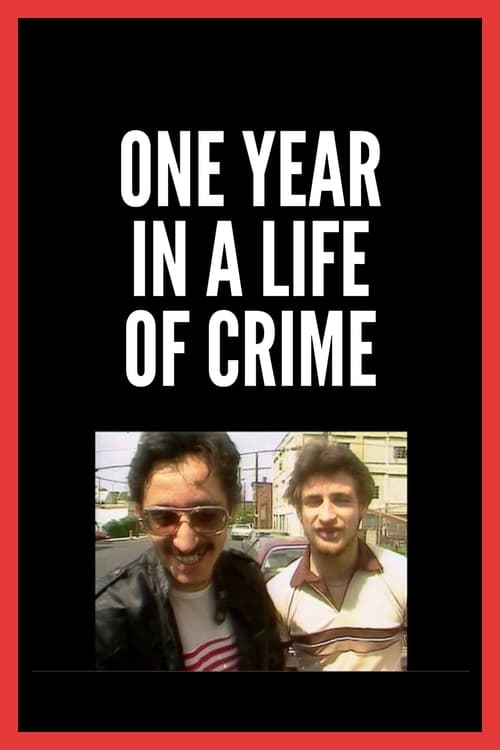
One Year in a Life of Crime
1989
No user ratings available yet
Diversity score: 6.8 out of 10

1980
GDirector
Keiko Tsuno, Jon Alpert
Runtime
59 minutes
Average Rating
No ratings yetSynopsis
The stories of six "ordinary" people who live or work along New York City's Third Avenue, which runs for sixteen miles through Manhattan, Brooklyn, and the Bronx, cutting through the complex social strata of the city to reveal wildly different economic and ethnic subcultures.
Overall Score
Good
Category Breakdown
LGBTQ+ Representation
The documentary focuses on the socioeconomic realities of homelessness. It lacks explicit narratives regarding queer identities or non-cisnormative gender expressions.
Gender Representation
Women are depicted as gritty, active agents navigating dangerous urban environments. This portrayal subverts traditional tropes of female vulnerability by highlighting their survival instincts.
Racial & Ethnic Diversity
The film captures the ethnic complexity of New York City across Manhattan, Brooklyn, and the Bronx. It avoids monolithic depictions, showcasing a diverse, non-Anglo-Saxon majority.
Religious & Cultural Diversity
The narrative critiques capitalist structures and the failures of social welfare. It frames survival-based behaviors as responses to systemic neglect rather than inherent criminality.
Disability Representation
The film highlights the intersection of poverty and health. It documents how chronic illness and neurodivergence manifest as consequences of systemic abandonment on the streets.
Strengths
Areas for Improvement
AI Analysis
This documentary serves as a powerful piece of social realism, centering on the marginalized populations living along Third Avenue. It succeeds by documenting the diverse ethnic subcultures of New York City and providing a sophisticated critique of institutional failures. The film avoids sanitizing the harsh realities of street life, instead offering a nuanced look at survival. However, the film's focus on socioeconomic hardship results in a lack of visibility for LGBTQ+ identities. While it provides strong representation for racial and cultural diversity, the exploration of gender and queer narratives remains limited compared to its systemic critique.
1989

1991

1985

1979
1983
No reviews yet. Be the first to share your thoughts on this movie!
Use the rating form above to leave a star rating and optional review.