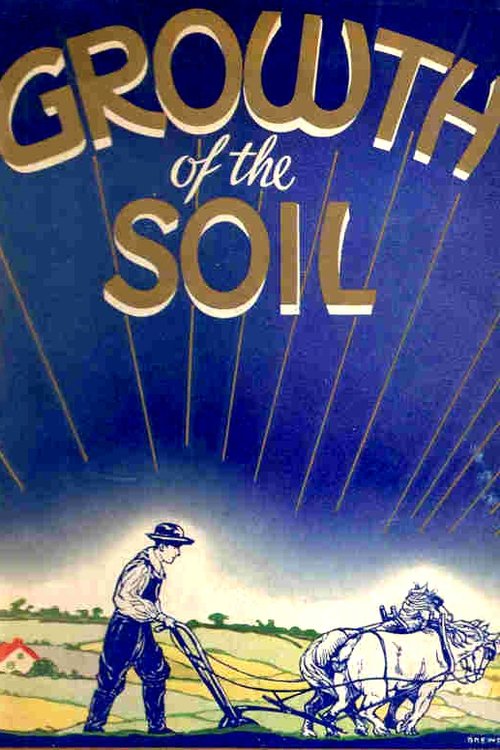
Growth of the Soil
1921
No user ratings available yet
Diversity score: 1.4 out of 10
No Poster Available
1919
Director
Louis Feuillade
Runtime
148 minutes
Average Rating
No ratings yetSynopsis
If you’re already familiar with Louis Feuillade, his little-known opus Vendémiaire may come as a surprise. Unlike the bulk of his work which was characterised as ‘Fantastic Realism’, Vendémiaire is wonderfully down-to-earth realism – or down-to-French-earth realism to be specific. The film itself is divided into four chapters, the titles of which suggest that this is a movie about the cultivation and consumption of wine. But as the narrative unfolds, it becomes clear that the cultivation and consumption of wine is an allegory for French culture and French land as a whole, and the real purpose of the film is to persuade the director’s fellow citizens to defend that spirit and those lands at all costs. It’s September 1918 and the war is coming to an end, but here on the Castelviel estate in the south of France the news has not yet arrived and everyone is busy with the grape harvest....
Overall Score
Limited
Category Breakdown
LGBTQ+ Representation
The film contains no evidence of queer narratives or non-cisnormative identities. It adheres strictly to the social constraints of 1919 France.
Gender Representation
The narrative centers on the collective labor of the Castelviel estate. It maintains traditionalist views of communal survival without subverting gender hierarchies.
Racial & Ethnic Diversity
The film focuses on a homogeneous depiction of French peasantry. It reflects the era's emphasis on nationalistic unity within a specific southern French setting.
Religious & Cultural Diversity
The story functions as a defense of traditional French institutions and heritage. It frames the land and estate as vital assets to be protected.
Disability Representation
There is no mention of characters with visible or invisible disabilities. No specific data is available to assess this category.
Strengths
Areas for Improvement
AI Analysis
Vendémiaire serves as a nationalist allegory, using the grape harvest to mirror the preservation of French identity during the end of World War I. The film prioritizes the defense of territorial sovereignty and traditional agrarian life over modern social exploration. Because it is a product of 1919, the work is rooted in post-war reconstruction and patriotism. It reinforces existing social hierarchies rather than challenging them, focusing on a singular, homogeneous vision of French culture. Ultimately, the film is a historical artifact of period-specific values. It lacks the intersectional framework or intentionality required to address diverse identities or progressive social themes.
1921

1909
1914
1964
1945
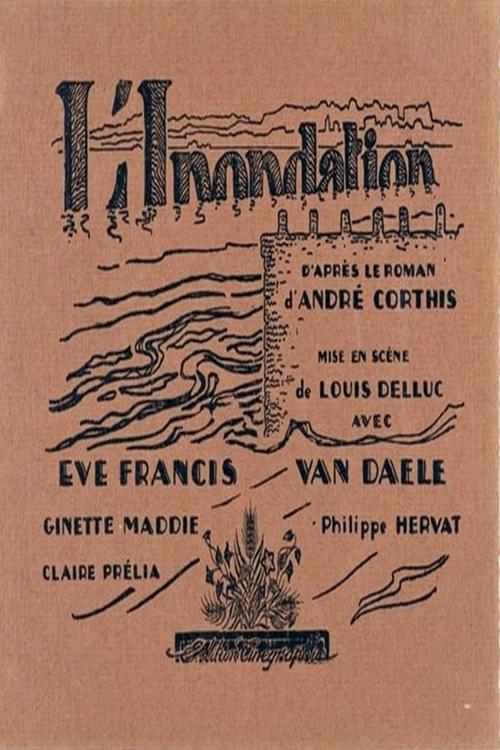
1924

2019
2015
1980

1937

1922
2006
No reviews yet. Be the first to share your thoughts on this movie!
Use the rating form above to leave a star rating and optional review.