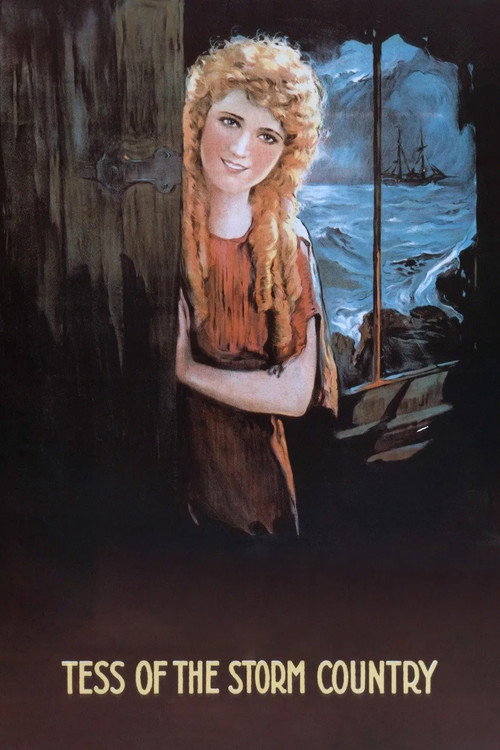
Tess of the Storm Country
1914
No user ratings available yet
Representation score: 1.1 out of 10
Representation Score
Minimal
1922
Director
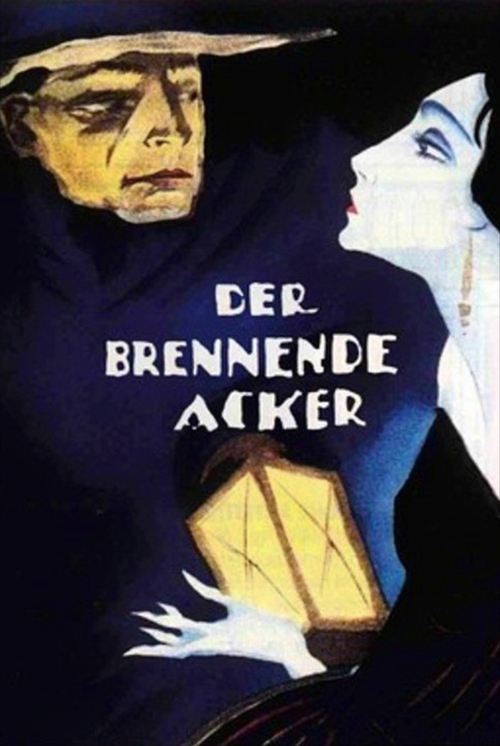
F. W. Murnau
Runtime
98 minutes
Average Rating
No ratings yetNew Showbiz Analysis
F.W. Murnau’s drama centers on the corrosive impact of industrial wealth on traditional social orders. The narrative emphasizes themes of class mobility and the tension between agrarian traditions and oil-driven capitalism. Despite lacking modern diverse representation, the film provides a critical view of human relationships. It dismantles the stability of rural life by highlighting how greed and economic shifts disrupt traditional hierarchies. Ultimately, the work examines shifting power dynamics. It presents a transactional view of social climbing and legacy, replacing moral certainty.
Category Breakdown
The film does not include any LGBTQ+ identities. The romantic storylines follow typical patterns between the male lead and several female characters.
Women play key roles but mainly support the male characters' rise in social status. They act as catalysts for male ambition and objects of pursuit, reinforcing traditional gender roles.
The movie reflects the homogeneous society of 1922 Germany. There are no non-white characters or signs of racial diversity in the main cast.
The story criticizes agricultural traditions through the lens of capitalist opportunism. It portrays family legacies and inheritances as unstable and transactional, rather than sacred.
The Count's illness serves as a plot device to create conflict over inheritance. It does not explore disability or personal ability to act in depth.
Present on Screen
Limited or Absent
Official Synopsis
When farmer Rog dies, his eldest Peter takes over the farm while his youngest Johannes is determined for a better life: he becomes secretary to Count Rudenberg and starts courting his daughter Gerda. When he learns that the Count, who is terminally ill, has bequeathed a piece of land under which lies a petroleum field to his second wife, he courts her instead.
1914

1930

1961

1925

1921
1990
1929

1930
No reviews yet. Be the first to share your thoughts on this movie!
Use the rating form above to leave a star rating and optional review.