
The Bronze Screen: 100 Years of the Latino Image in American Cinema
2002
No user ratings available yet
Diversity score: 7.8 out of 10
No Poster Available
2006
Director
Sut Jhally, Jeremy Earp
Runtime
50 minutes
Average Rating
No ratings yetSynopsis
This documentary dissects a slanderous aspect of cinematic history that has run virtually unchallenged form the earliest days of silent film to today's biggest Hollywood blockbusters. The film explores a long line of degrading images of Arabs--from Bedouin bandits and submissive maidens to sinister sheikhs and gun-wielding "terrorists"--along the way offering devastating insights into the origin of these stereotypic images, their development at key points in US history, and why they matter so much today.
Overall Score
Good
Category Breakdown
LGBTQ+ Representation
The film does not focus on LGBTQ+ narratives, as its scope centers on geopolitical and racialized depictions of Arab and Muslim identities. It lacks specific engagement with non-heteronormative identities within a Middle Eastern context.
Gender Representation
The documentary deconstructs gender hierarchies by critiquing Hollywood's use of tropes like the 'submissive maiden' or 'hyper-sexualized woman.' It exposes how femininity is often used as a tool for exoticization and victimhood.
Racial & Ethnic Diversity
This work provides a profound critique of racialized casting and the systemic whitewashing of Middle Eastern identities. It analyzes over 1,000 cinematic examples to show how Arab characters are reduced to caricatures.
Religious & Cultural Diversity
The film critiques Western media hegemony and the institutionalized power of Hollywood. It uses a post-colonial lens to examine how cinematic depictions of the Arab world serve Western geopolitical interests.
Disability Representation
There is no discernible evidence regarding the portrayal of physical or neurodivergent disabilities. Disability is not a central vector of this meta-analysis of racial and cultural tropes.
Strengths
Areas for Improvement
AI Analysis
Reel Bad Arabs is a rigorous deconstruction of how Hollywood has historically manipulated the image of Arab and Muslim people. By analyzing a massive dataset of films, the documentary exposes the systemic nature of cinematic prejudice. The film excels in its interrogation of racial and cultural tropes, moving beyond simple representation to examine the power dynamics behind media production. It successfully links cinematic imagery to broader geopolitical interests and Western hegemony. While the analysis of race and gender is exceptionally deep, the film's narrow focus on geopolitical identity means it offers little insight into LGBTQ+ or disability-related narratives.
2002

1976

2022
2019
1986
1992
2016

2003

2017
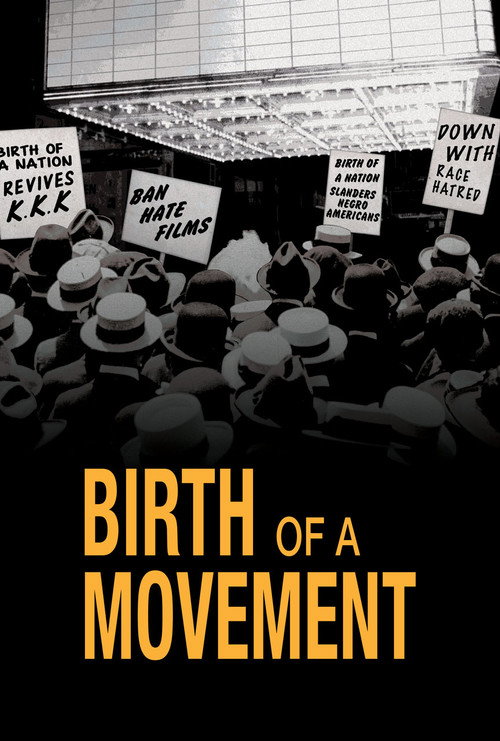
2017

2011
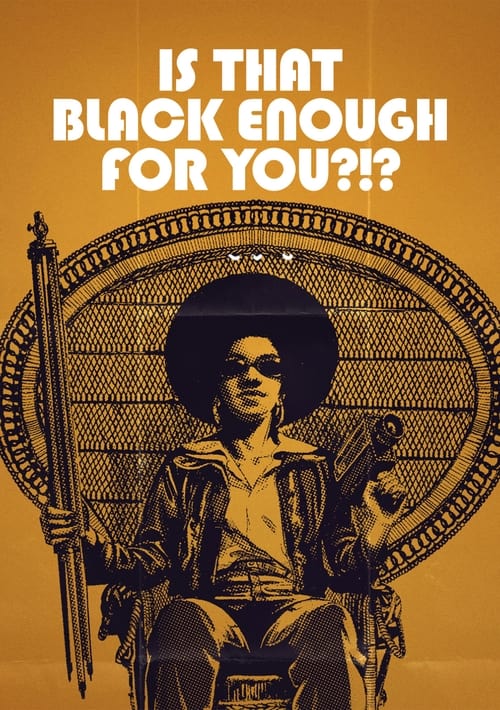
2022
No reviews yet. Be the first to share your thoughts on this movie!
Use the rating form above to leave a star rating and optional review.