Boujad: A Nest in the Heat
1992
No user ratings available yet
Representation score: 6.2 out of 10
Representation Score
Good
2016
PGDirector
Alex Pitstra
Runtime
93 minutes
Average Rating
No ratings yetNew Showbiz Analysis
Alex Pitstra utilizes his dual European and Tunisian heritage to conduct a rigorous, identity-driven inquiry into post-colonial dynamics. The film successfully disrupts the traditional tourist gaze by replacing it with a personal, investigative approach to cultural exchange. The documentary's primary strength is its focus on race and heritage. By examining the 'bezness' phenomenon through a lens of mixed identity, it provides a complex view of North African social structures that avoids simple stereotypes. However, the film's scope remains narrow regarding certain demographics. The focus on specific romantic and social dynamics results in a lack of visible LGBTQ+ representation and no discernible focus on disability.
Category Breakdown
The film centers on heterosexual relationships between North African men and Western women. There is no visible representation of individuals who do not identify with their assigned gender at birth.
The narrative challenges traditional gender roles by highlighting the role of female filmmakers. It shifts the focus to the female experience to critique male-dominated social issues.
The film excels by focusing on the Tunisian diaspora and mixed-heritage identities. It moves beyond Anglo-centric views to explore racialized social interactions with significant depth.
The work offers a sophisticated critique of Western-Eastern social intersections. It avoids moralizing clichés, favoring a nuanced investigation into North African masculinity and systemic social behaviors.
There is no discernible evidence regarding the portrayal of physical or neurodivergent disabilities in this documentary.
Present on Screen
Limited or Absent
Official Synopsis
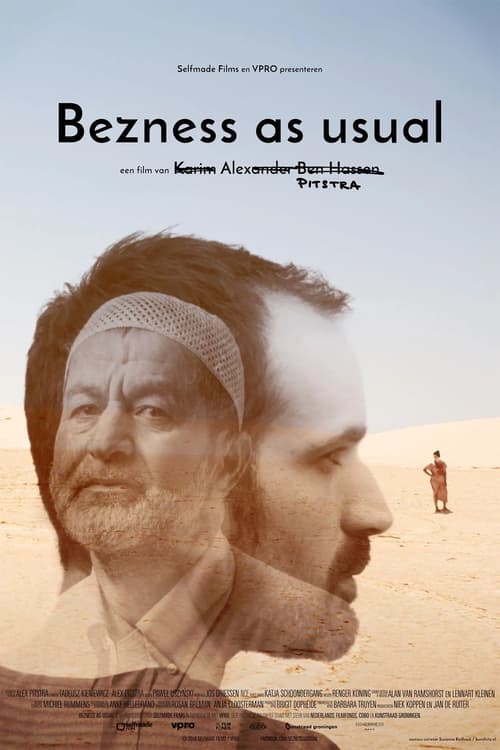
Like his Swiss half-sister Jasmin, Dutch filmmaker Alex Pitstra is the child of a European mother and a Tunisian playboy father. The majority of their lives their father was absent, but after more than twenty years Alex invites Jasmin to travel to Tunisia with him. They want to reconnect with their Tunisian roots and find out how their father and his family relate to the 'bezness' phenomenon of North-African men roaming beaches and hotels, trying to seduce western women.
1992

2023

2024

2012

2007
2021

2012

1970
No reviews yet. Be the first to share your thoughts on this movie!
Use the rating form above to leave a star rating and optional review.