Colored Frames
2007
No user ratings available yet
Representation score: 6.2 out of 10
Representation Score
Good
2022
RDirector
Elvis Mitchell
Runtime
135 minutes
Average Rating
No ratings yetNew Showbiz Analysis
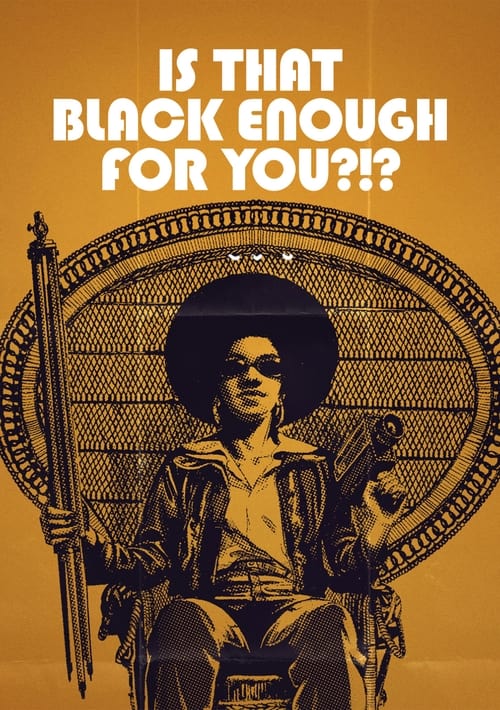
Elvis Mitchell’s documentary is a powerful reclamation of narrative ability to act, focusing on the Black revolution in 1970s cinema. It successfully disrupts the traditional Hollywood gaze by centering Black auteurs and the transition from genre films to social realism. The film excels at correcting historical erasure, treating Black cinematic innovation as a central driver of film history rather than a peripheral movement. This deep interrogation of race and power provides a necessary counter-narrative to Anglo-centric film studies. However, the documentary's scope is primarily focused on racial politics and genre evolution. As a result, specific explorations of LGBTQ+ identities or disability representation are not central to the narrative structure.
Category Breakdown
The film serves as a historical survey of 1970s cinema rather than a character-driven narrative. It focuses on racial identity and genre evolution, leaving specific LGBTQ+ storylines unexplored.
The documentary examines shifts in Black masculinity and femininity during the rise of 1970s superstars. While it highlights the creative control of individuals, it offers a nuanced rather than overtly challenging look at gender hierarchies.
This work is an exceptional study of Black ability to act and cinematic innovation. It acts as a corrective to historical erasure by centering the Black experience as a primary cultural force.
The film explores the tension between Black identity and dominant Western institutions. It celebrates self-determination by focusing on the craft of rising auteurs and their critiques of systemic issues.
There is no specific evidence regarding the portrayal of visible or invisible disabilities. The documentary prioritizes cinematic history and auteurism over disability representation.
Present on Screen
Limited or Absent
Official Synopsis
A look at the Black revolution in 1970s cinema, from genre films to social realism, from the making of new superstars to the craft of rising auteurs.
2007
2009
2011
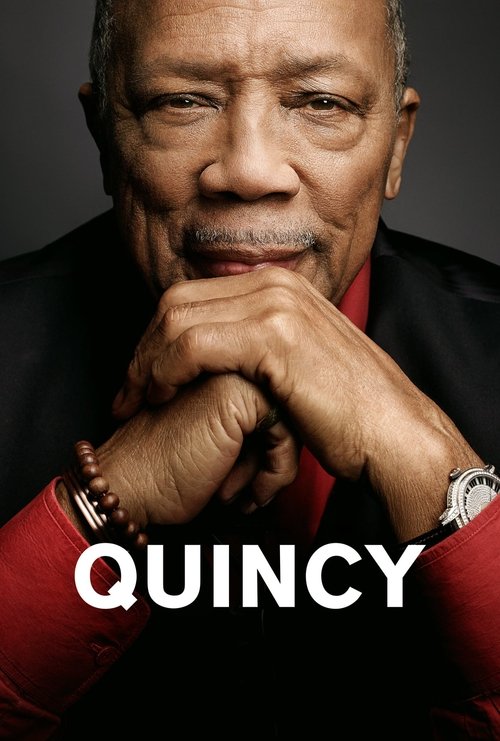
2018

2021
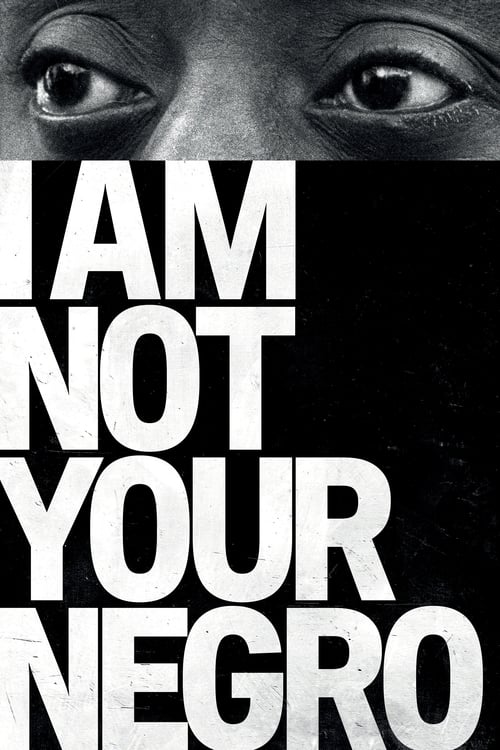
2017
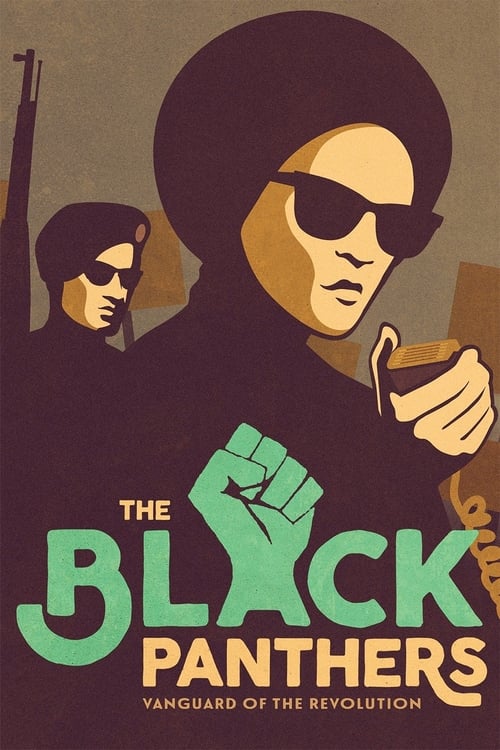
2015
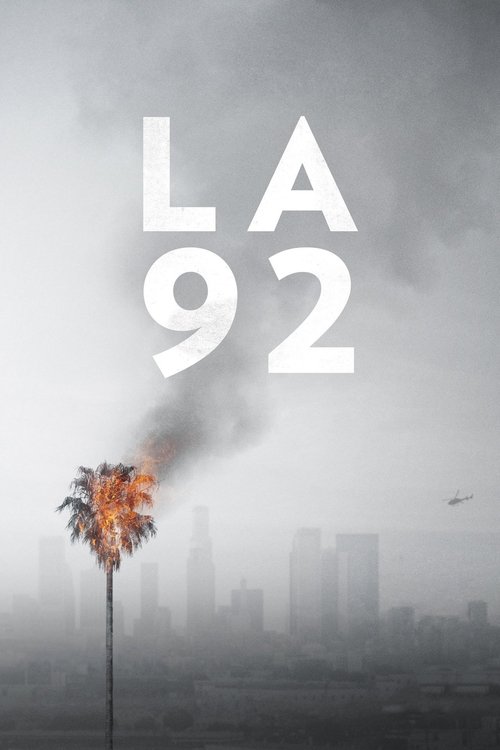
2017
No reviews yet. Be the first to share your thoughts on this movie!
Use the rating form above to leave a star rating and optional review.