
The Latin Explosion: A New America
2015
No user ratings available yet
Diversity score: 7.0 out of 10
2002
Director
Nancy De Los Santos, Alberto Domínguez
Runtime
90 minutes
Average Rating
No ratings yetSynopsis
Documentary about the presence of Latin American culture and actors in American movies.
Overall Score
Good
Category Breakdown
LGBTQ+ Representation
The documentary focuses on ethnic and gendered archetypes rather than queer identities. While it lacks specific LGBTQ+ narratives, it maintains a neutral stance without derogatory depictions.
Gender Representation
The film provides a nuanced critique of traditional femininity. It specifically analyzes the 'Spitfire' trope to expose how Hollywood historically hyper-sexualized Latina characters.
Racial & Ethnic Diversity
This is a profound study of the Latino experience in American cinema. It actively critiques historical whitewashing and challenges monolithic archetypes like the 'Bandito' and 'Latin Lover.'
Religious & Cultural Diversity
The narrative employs a post-colonial critique of how American cinema constructs the identity of the 'other.' It examines how studios used reductive cultural markers to maintain power.
Disability Representation
There is no significant evidence regarding the portrayal of disability within this work.
Strengths
Areas for Improvement
AI Analysis
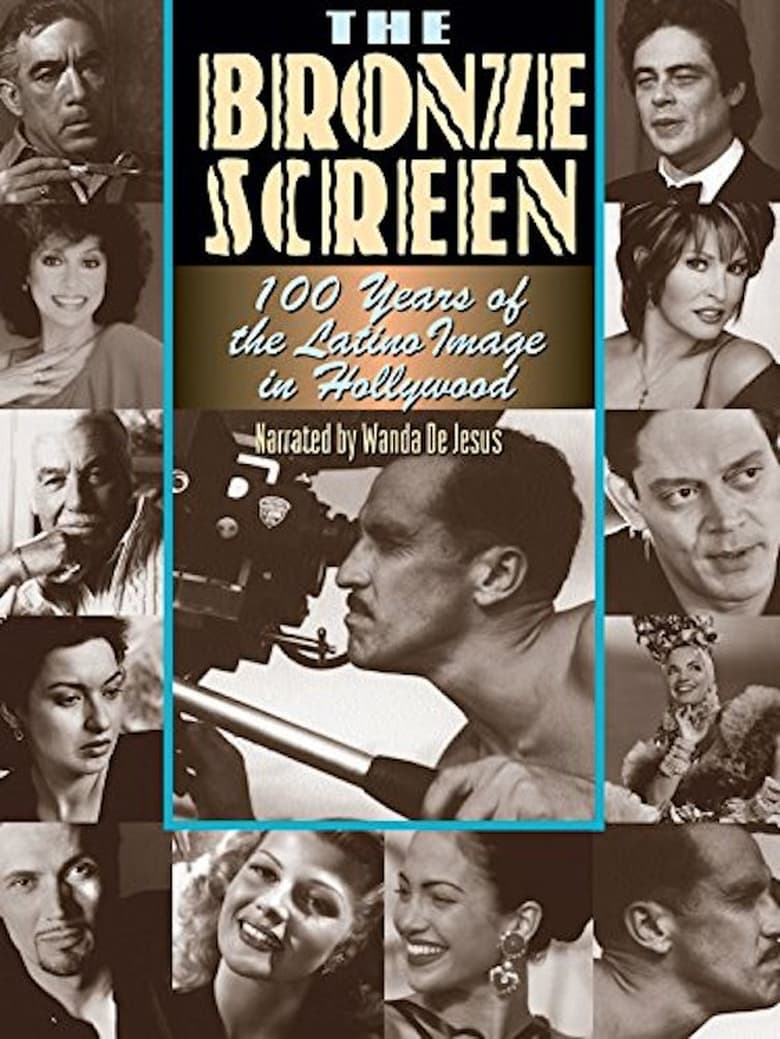
The Bronze Screen serves as a sophisticated deconstruction of the cinematic gaze. It moves beyond a simple retrospective to analyze the systemic structures that have historically marginalized Latino actors and cultures. The film excels by identifying the mechanisms of ethnic stereotyping. By framing the struggle for authentic representation as a central historical driver, it grants high agency to the subjects of its study. While the documentary is a powerhouse of racial and cultural analysis, it remains focused on ethnic archetypes. This narrow thematic scope results in a lack of engagement with LGBTQ+ or disability-related narratives.
2015

2020
1993
2006

2016

2010

2007

1986
2022
2012
2006

1999
No reviews yet. Be the first to share your thoughts on this movie!
Use the rating form above to leave a star rating and optional review.