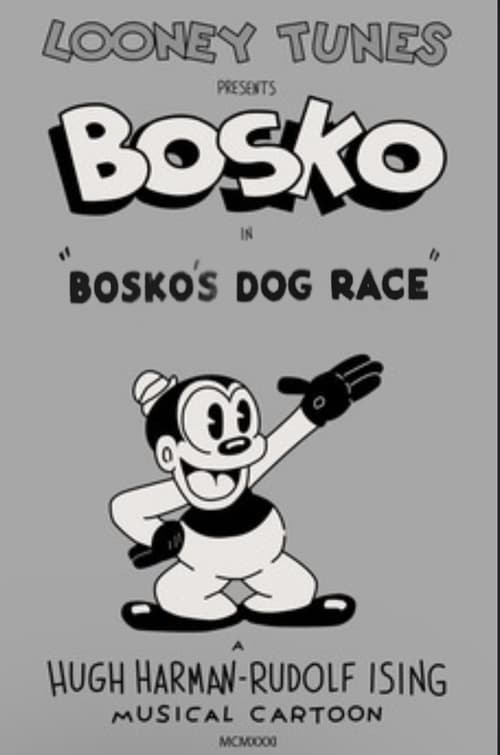
Bosko's Dog Race
1932
No user ratings available yet
Diversity score: 1.2 out of 10
1929
Director
Hugh Harman
Runtime
5 minutes
Average Rating
No ratings yetSynopsis
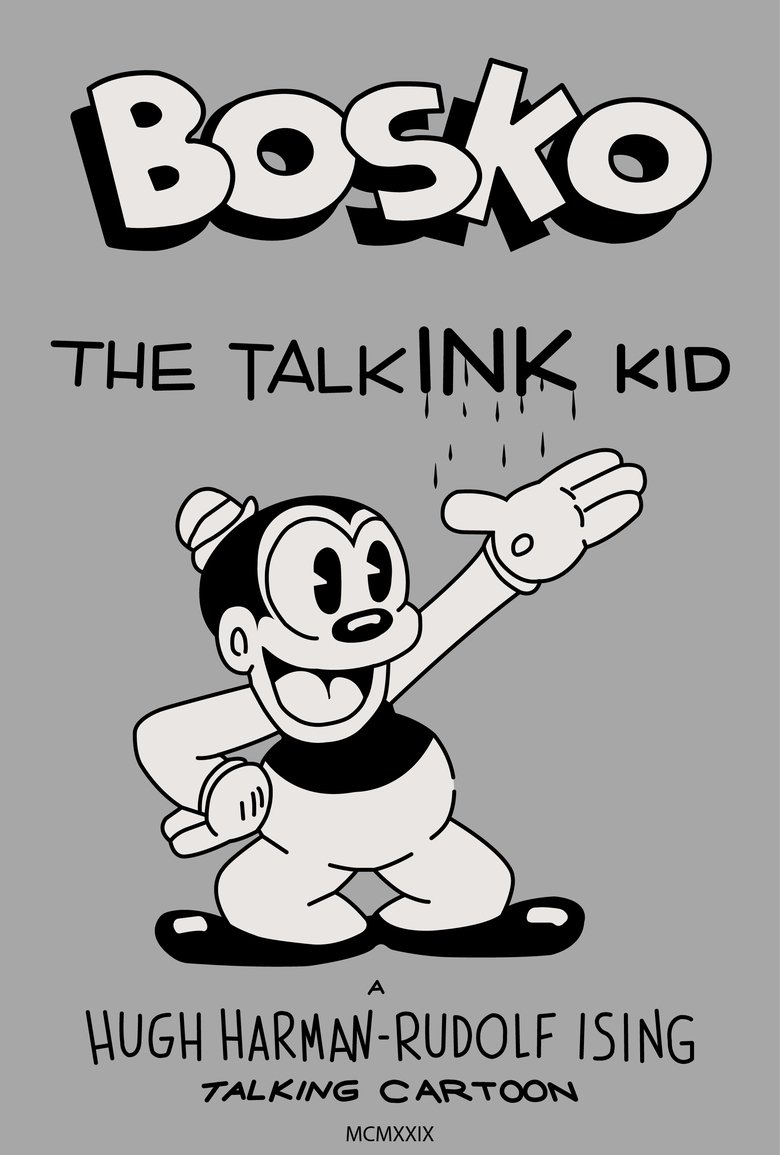
A cartoonist draws Bosko, who promptly comes to life.
Overall Score
Minimal
Category Breakdown
LGBTQ+ Representation
The film contains no LGBTQ+ characters or themes. The narrative focuses entirely on the musical and slapstick elements of the protagonist's emergence.
Gender Representation
There is a notable absence of female agency or meaningful gendered interaction. The short avoids complex hierarchies but fails to subvert traditional roles.
Racial & Ethnic Diversity
Bosko serves as a rare Black lead for early animation. However, the character relies on exaggerated physical tropes and racialized caricatures common to the 1920s.
Religious & Cultural Diversity
The film functions as a technical showcase for early sound animation. It does not engage with specific religious, secular, or cultural ideologies.
Disability Representation
No physical or neurodivergent disabilities are represented. Characters operate strictly within the bounds of standard cartoon physics and slapstick.
Strengths
Areas for Improvement
AI Analysis
This 1929 short is a significant historical artifact, primarily due to the presence of a Black protagonist in an era of limited representation. However, the characterization is deeply flawed by the systemic stereotyping of the period. The film lacks intentionality regarding gender, disability, or LGBTQ+ identities. It functions as a technical demonstration of synchronized sound rather than a narrative with social depth. Ultimately, the reliance on harmful visual shorthand and the absence of diverse character agency result in a very low diversity score.
1932
1932

1929
1942
1933
1927
1930
1933
1939
1929
1927
1931
No reviews yet. Be the first to share your thoughts on this movie!
Use the rating form above to leave a star rating and optional review.