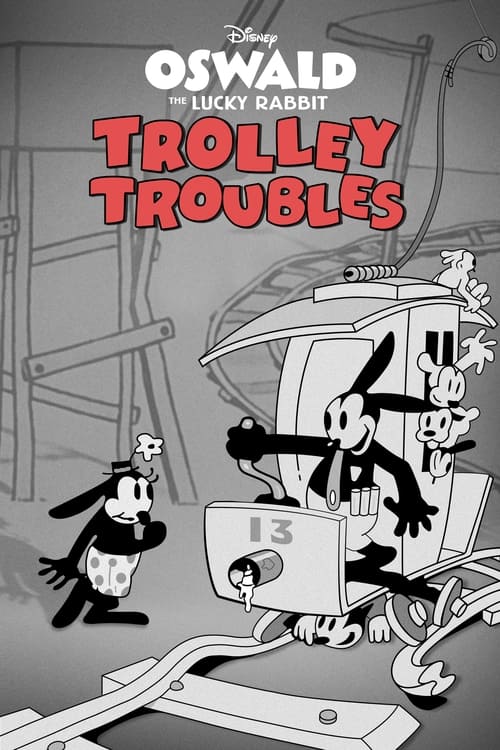
Trolley Troubles
1927
No user ratings available yet
Representation score: 0.4 out of 10
Representation Score
Minimal
1927
Director
Walt Disney, Ub Iwerks
Runtime
7 minutes
Average Rating
No ratings yetNew Showbiz Analysis
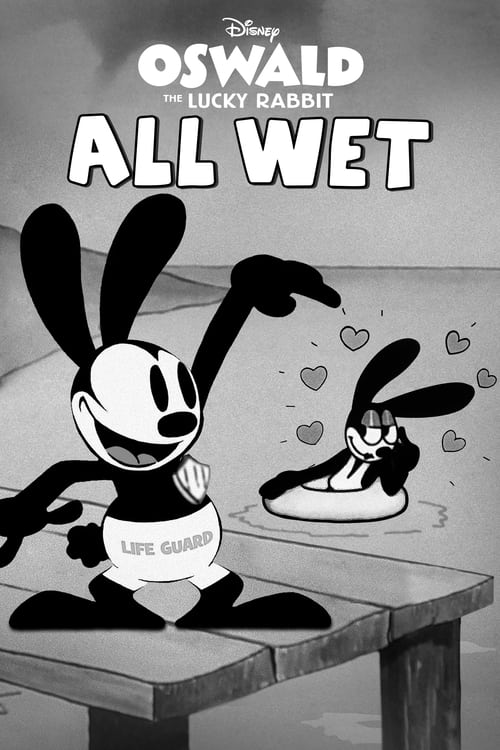
All Wet is a product of its era, functioning primarily as a vehicle for physical slapstick comedy. The narrative structure relies on traditional formulas that lack the multi-layered storytelling found in modern animation. The film reinforces conventional social hierarchies through its character dynamics. While the comedic tone softens the rigidity of the roles, the storytelling remains centered on straight-centered and Western-centric clichés. Ultimately, the work lacks the intentionality required to represent underrepresented groups or disrupt established social norms, reflecting the limited scope of early 20th-century animation.
Category Breakdown
The film does not depict any non-straight relationships or queer narratives. The story focuses solely on conventional romantic interests.
The plot relies on traditional gender clichés where Miss Rabbit stages a crisis to be rescued by Oswald, reinforcing a dynamic of female passivity and male control.
The anthropomorphic cast remains homogeneous within established era archetypes. There is no evidence of racial or ethnic diversity within this localized setting.
The story adheres to standard early 20th-century Western comedic structures. It does not engage with systemic critiques or challenge Western institutions.
There are no characters depicted with visible or invisible disabilities. The narrative focus remains strictly on physical slapstick and environmental mishaps.
Present on Screen
Limited or Absent
Official Synopsis
Oswald takes a job as a lifeguard to keep an eye on Miss Rabbit, who in turn stages a boating accident hoping Oswald will come to save her.
1927
1935
1939
1941
1933
1937
1938
1938
No reviews yet. Be the first to share your thoughts on this movie!
Use the rating form above to leave a star rating and optional review.