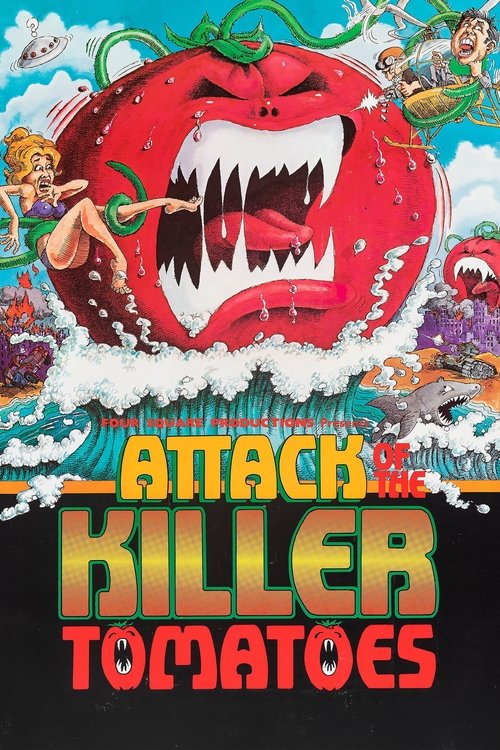
Attack of the Killer Tomatoes!
1978
No user ratings available yet
Representation score: 3.5 out of 10

Representation Score
Limited
1988
PGDirector
John De Bello
Runtime
98 minutes
Average Rating
No ratings yetNew Showbiz Analysis
This campy parody emphasizes genre deconstruction and slapstick humor rather than social commentary. By using sentient produce as the main antagonists, the film steers clear of human-centric sociological themes. The narrative structure does not aim to engage with identity politics or systemic power dynamics. Instead, it serves as a low-budget, kitschy piece that remains largely indifferent to progressive representation efforts. Ultimately, the film's goal is the comedic exploitation of horror clichés, leading to a lack of substantive representation across various identity categories.
Category Breakdown
The film does not include any LGBTQ+ characters or stories. The humor focuses solely on the biological oddities of mutated tomatoes.
Characters follow traditional 1980s comedic stereotypes. While the film avoids obvious sexism, it does not challenge traditional gender roles or leadership positions.
The cast is predominantly made up of a homogeneous group typical of low-budget parodies. There is no indication of diverse or color-blind casting.
The story unfolds in a chaotic, slapstick environment without addressing critiques of Western institutions, capitalism, or religious structures.
There are no neurodivergent or physically disabled characters given meaningful representation. The focus on physical comedy leaves no room for such portrayals.
Present on Screen
Limited or Absent
Official Synopsis
Crazy old Professor Gangreen has developed a way to make tomatoes look human for a second invasion.
1978

1993

1988
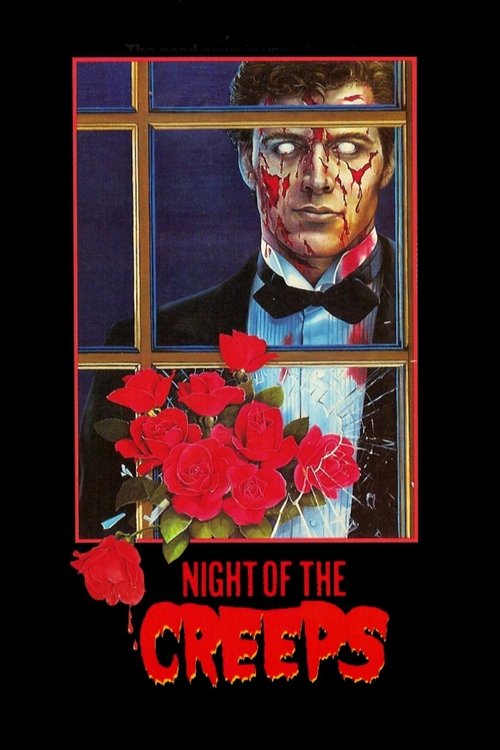
1986
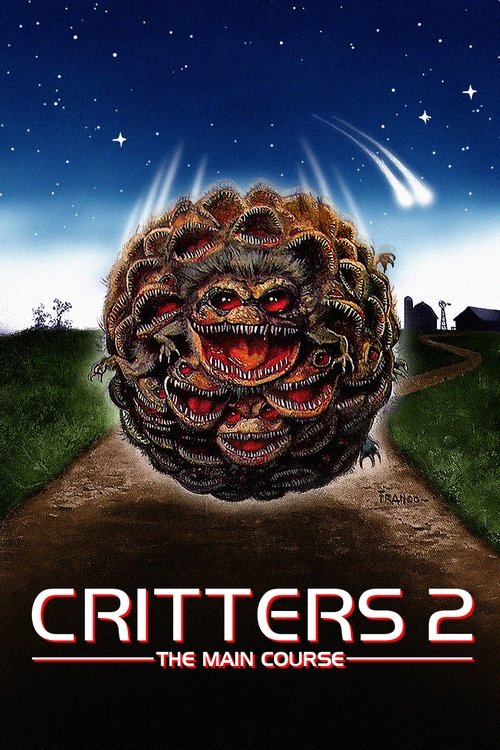
1988

1984
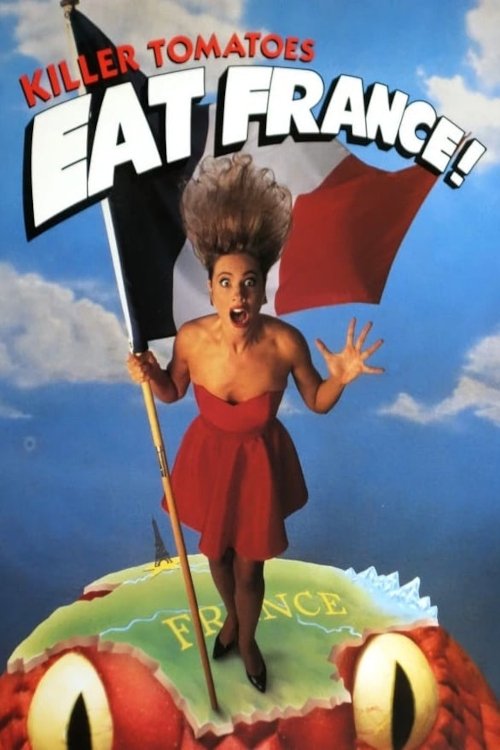
1992

1984
No reviews yet. Be the first to share your thoughts on this movie!
Use the rating form above to leave a star rating and optional review.