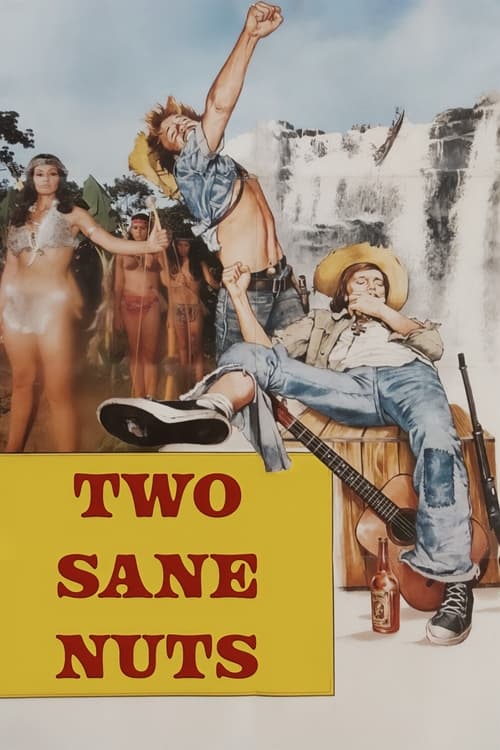
Two Sane Nuts
1974
No user ratings available yet
Representation score: 2.5 out of 10

Representation Score
Limited
1968
RDirector
Christian Marquand
Runtime
124 minutes
Average Rating
No ratings yetNew Showbiz Analysis
Candy serves as a cinematic exploration of the 1960s sexual revolution, prioritizing personal impulse over established social structures. It functions as a disruption of the mid-century status quo, replacing rigid hierarchies with situational ethics. While the film lacks racial and LGBTQ+ diversity, it finds strength in its progressive stance on gendered ability to act. The narrative deconstructs traditional Western moralism through a lens of unrestrained hedonism. Ultimately, the film's impact relies on its systemic critique of conventional morality rather than a diverse cast or inclusive identity representation.
Category Breakdown
The story focuses almost entirely on the heterosexual relationship between the two leads. It doesn't include any explicit non-cisgender identities or queer-coded subtext in its main arcs.
The film centers on the female protagonist's pursuit of autonomy and sexual exploration. It disrupts traditional roles by prioritizing her subjective experience over mid-century decorum.
Set in a European context, the film maintains a largely homogeneous cast. There is no significant multi-ethnic representation within the narrative.
The film critiques restrictive Western institutions by prioritizing individualistic hedonism. It presents a secular, subjective morality that challenges traditional religious and familial duties.
There are no prominent depictions of physical or neurodivergent disabilities. No such elements serve as significant drivers for the characters or the plot.
Present on Screen
Limited or Absent
Official Synopsis
A high school girl encounters a variety of kookie characters and humorous sexual situations while searching for the meaning of life.
1974

1990
1978

1970

1975

1968

1959
1982
No reviews yet. Be the first to share your thoughts on this movie!
Use the rating form above to leave a star rating and optional review.