
The Brazilwood Man
1982
No user ratings available yet
Representation score: 6.9 out of 10
Representation Score
Good
1969
Not RatedDirector
Joaquim Pedro de Andrade
Runtime
110 minutes
Average Rating
No ratings yetNew Showbiz Analysis
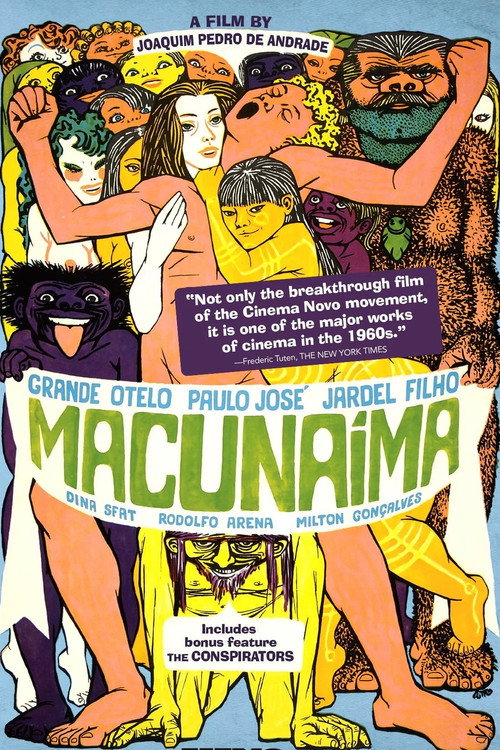
Macunaíma stands as a key work in the Cinema Novo movement, using avant-garde techniques to dismantle colonial and social hierarchies. By embracing the Antropofagia movement, the film consumes Western influences to create a unique, non-Anglo-centric identity. The film excels in its use of racial and cultural metaphors. The protagonist's shifting identity and the rejection of traditional Western morality create a complex, mythic framework that challenges established social structures. While the film is progressive in its treatment of sexuality and gender, it lacks specific representation regarding disability.
Category Breakdown
The film challenges traditional views on sexuality and gender through a cannibalistic aesthetic. It emphasizes instinct and myth over societal norms, presenting fluid sexuality and non-traditional gender expressions that defy rigid binaries.
Gender hierarchies are disrupted through a chaotic social landscape. Characters like Ci break away from typical submissive feminine roles, taking on more active and influential roles.
The protagonist's magical transformation from a Black man to a white man symbolizes Brazilian racial identity. Using the Antropofagia concept, the film challenges the dominance of white-centric views.
The film criticizes Western institutions such as capitalism and organized religion. It replaces European ethical frameworks with a primal, mythic logic that rejects Western modernity and institutional authority.
The film uses surrealist elements and mythic transformations but does not feature characters with physical or neurodivergent disabilities as plot devices or subjects of mockery.
Present on Screen
Limited or Absent
Official Synopsis
Born a fully grown black man in a village in the Brazilian jungle, Macunaíma later magically transforms into a white man before making an adventure-filled trip to the city of São Paulo. Once there, he becomes something of a dandy, falling in love with Ci, a revolutionary who dies in an accidental bombing. After robbing a ruthless industrialist, Macunaima returns to his village where he finds his newly acquired knowledge and possessions of little use.
1982
1976
1983

1970
1992
1971
1974

1986
No reviews yet. Be the first to share your thoughts on this movie!
Use the rating form above to leave a star rating and optional review.