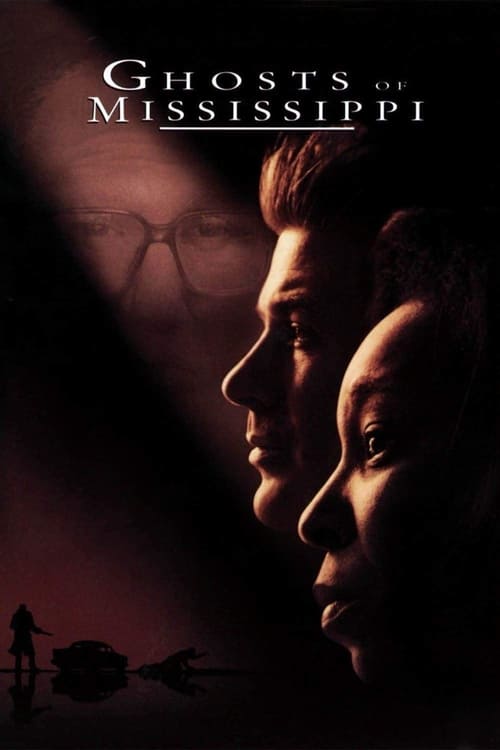
Ghosts of Mississippi
1996
No user ratings available yet
Representation score: 4.6 out of 10
Representation Score
Limited
1987
PGDirector
Richard Attenborough
Runtime
157 minutes
Average Rating
No ratings yetNew Showbiz Analysis
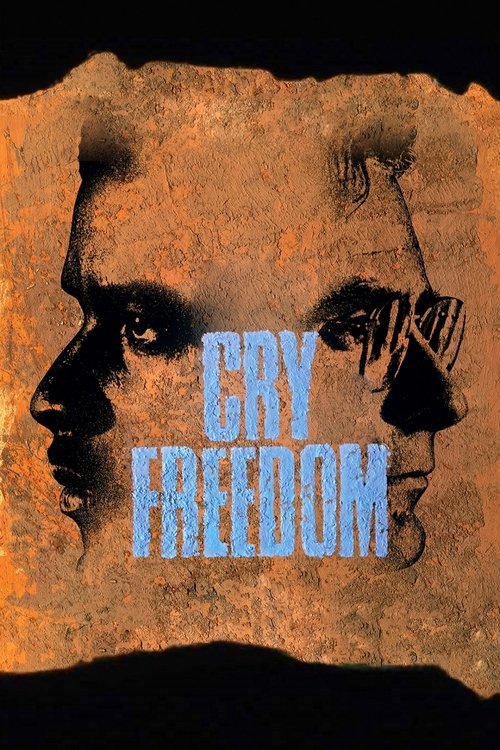
Cry Freedom is a powerful cinematic critique of institutionalized racism that prioritizes the deconstruction of state-sponsored oppression. By centering Black intellectual leadership, the film challenges traditional historical narratives and provides a profound exploration of racial dynamics. However, the film's scope is narrow regarding other identities. It operates within a traditional patriarchal structure and maintains a focus on male roles, limiting the roles of female characters. Additionally, there is a complete absence of LGBTQ+ representation or non-straight relationships.
Category Breakdown
The film focuses exclusively on the socio-political landscape of apartheid-era South Africa. There are no visible LGBTQ+ characters or non-straight relationships present.
The narrative follows a patriarchal structure centered on the roles of two men. Female characters appear but primarily occupy domestic or supportive roles.
The film centers the Black Consciousness Movement and positions Biko as the moral epicenter. It disrupts the white savior cliché by framing the Black protagonist as the primary source of leadership.
The story offers a rigorous critique of colonial-era hierarchies and Western-aligned institutional power. It portrays the South African state as a corrupt tool of systemic violence.
The film does not feature prominent characters with visible or invisible disabilities within its primary narrative arc.
Present on Screen
Limited or Absent
Official Synopsis
A dramatic story, based on actual events, about the friendship between two men struggling against apartheid in South Africa in the 1970s. Donald Woods is a white liberal journalist in South Africa who begins to follow the activities of Stephen Biko, a courageous and outspoken black anti-apartheid activist.
1996
1990

2007

1992

1999

1985

2017

2006
No reviews yet. Be the first to share your thoughts on this movie!
Use the rating form above to leave a star rating and optional review.