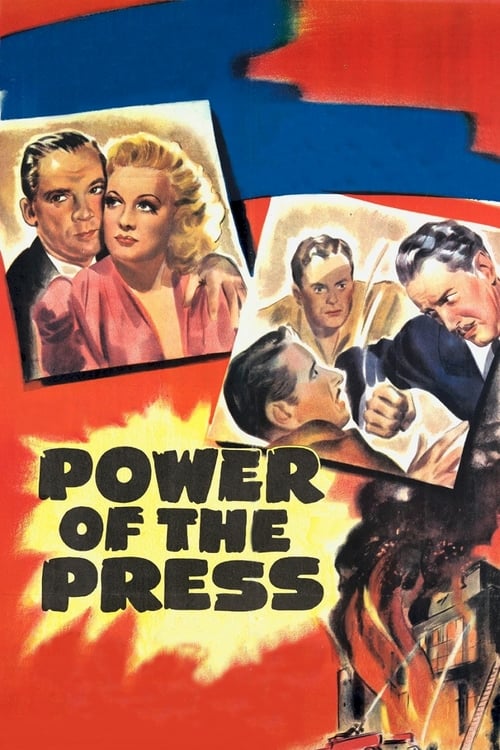
Power of the Press
1943
No user ratings available yet
Diversity score: 2.7 out of 10

1941
NRDirector
Phil Rosen
Runtime
71 minutes
Average Rating
No ratings yetSynopsis
While on their honeymoon, a reporter and his new bride stumble upon a ring of fifth columnists.
Overall Score
Limited
Category Breakdown
LGBTQ+ Representation
The film focuses on a traditional romantic pairing of a husband and wife. There is no indication of non-cisnormative identities or narratives that challenge heteronormative structures.
Gender Representation
Professional agency is centered on the male reporter, a common trope of the era. The bride's role likely adheres to traditional hierarchies, serving as either a partner or a figure needing protection.
Racial & Ethnic Diversity
The narrative architecture suggests a focus on Western protagonists. Reflecting 1941 Hollywood standards, the film likely lacks significant racial intersectionality or diverse casting.
Religious & Cultural Diversity
The plot emphasizes patriotism and the defense of Western institutions against subversion. This framework reinforces traditional values of national unity and state sanctity.
Disability Representation
The available information provides no evidence regarding the inclusion of characters with visible or invisible disabilities.
Strengths
Areas for Improvement
AI Analysis
Roar of the Press is a product of its time, functioning as a conventional mid-century drama. The story prioritizes patriotic sentiment and the preservation of established social orders over any progressive subversion of identity. The narrative relies on traditional tropes, such as the male-driven professional hero and the nuclear family unit. These elements reinforce the social hierarchies and homogeneous casting standards typical of the 1940s studio system. Ultimately, the film serves to uphold institutional stability. It focuses on the defense of the state against internal threats rather than exploring diverse cultural or social perspectives.
1943
1928
1933
1934
1944
1985

1945

1940
1940
1937

1929

1953
No reviews yet. Be the first to share your thoughts on this movie!
Use the rating form above to leave a star rating and optional review.