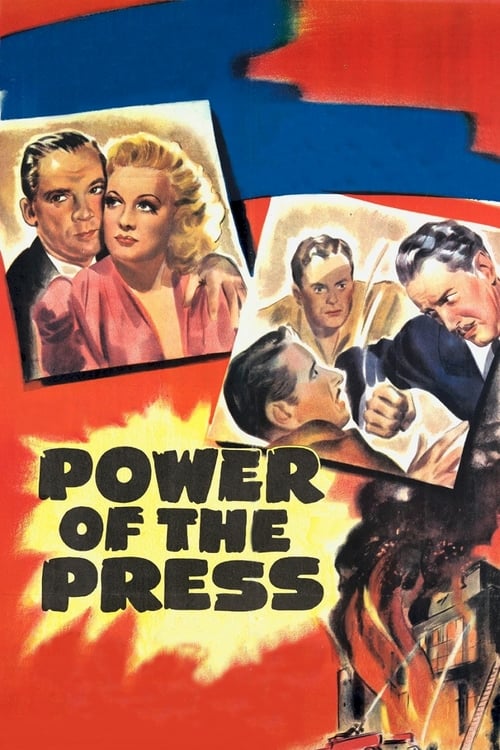
Power of the Press
1943
No user ratings available yet
Diversity score: 2.7 out of 10

1928
NRDirector
Frank Capra
Runtime
62 minutes
Average Rating
No ratings yetSynopsis
The naive newspaper cub Clem lands a scoop when he's sent out to cover a murder. In his enthusiasm he writes that the main suspect is Jane. When she confronts Clem, she convinces him to help her prove her innocence.
Overall Score
Minimal
Category Breakdown
LGBTQ+ Representation
The film lacks any depiction of non-heteronormative identities. The plot remains centered on a traditional investigative drama.
Gender Representation
Jane provides a notable subversion of passive female roles. She actively directs the investigation to prove her innocence, shifting the power dynamic away from the male protagonist.
Racial & Ethnic Diversity
There is no indication of a diverse cast or non-Anglo-Saxon characters. The setting appears to be a conventional, localized social environment.
Religious & Cultural Diversity
The story critiques the power of media institutions to shape reality. It explores how institutional misinformation can lead to systemic injustice against individuals.
Disability Representation
No depictions of visible or invisible disabilities are present in this narrative.
Strengths
Areas for Improvement
AI Analysis
The film functions as a foundational drama focused on journalistic error and rectification. While it lacks demographic breadth, it offers a meaningful exploration of how media-driven narratives impact individual lives. The narrative's strength lies in its early interest in the mechanics of social influence. It moves beyond simple melodrama by allowing a female character to challenge systemic accusations through her own agency. However, the work remains limited by a lack of intersectional complexity. It does not engage with diverse identities or broader systemic identity politics, resulting in a narrow social scope.
1943

1929
1923
1934
1932
1932
1927

1929
1932
1930
1939
1936
No reviews yet. Be the first to share your thoughts on this movie!
Use the rating form above to leave a star rating and optional review.