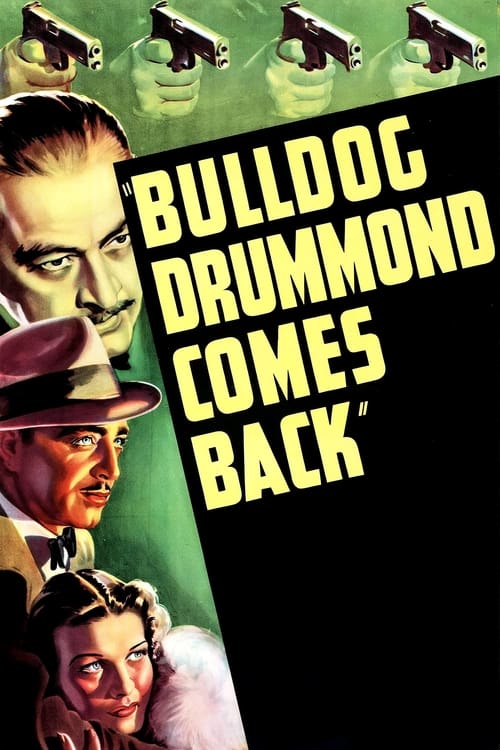
Bulldog Drummond Comes Back
1937
No user ratings available yet
Representation score: 0.3 out of 10
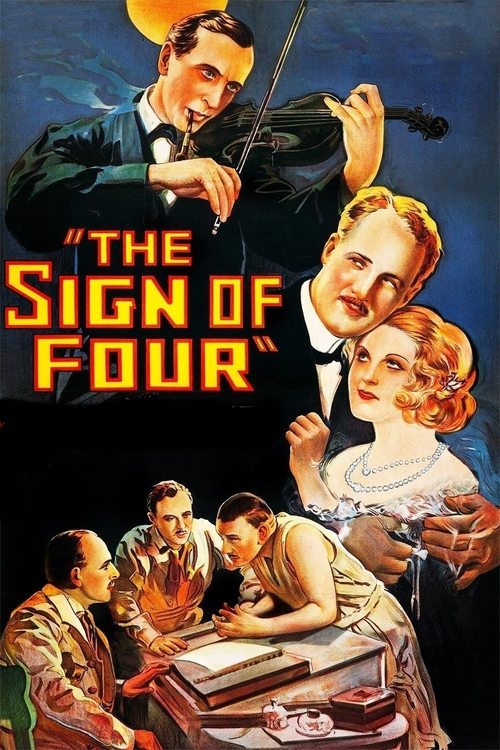
Representation Score
Minimal
1932
NRDirector
Graham Cutts
Runtime
77 minutes
Average Rating
No ratings yetNew Showbiz Analysis
This 1932 production is a typical product of its time, reinforcing the social norms of the early 20th century. The narrative focuses on established Western archetypes and masculine dominance, lacking progressive representation. The film adheres to conventional social norms and relies on standard gender, race, and colonial clichés common to the period. It upholds the status quo of the Victorian social order through its character dynamics and thematic focus.
Category Breakdown
The film reflects the social structures of the early 1930s, where there is no indication of characters with non-traditional gender identities or same-sex relationships.
The story centers around Sherlock Holmes and Dr. Watson, emphasizing masculine intellectual dominance. The female protagonist is primarily defined by her vulnerability and need for protection.
The narrative includes colonial themes and connections to India but does not feature characters of color with significant roles or diverse backgrounds.
The film upholds traditional Western values and social hierarchies, reinforcing the stability of the Victorian social order.
There is no depiction of characters with physical or neurodivergent disabilities who play significant roles in the story.
Present on Screen
Limited or Absent
Official Synopsis
A young woman turns to Holmes for protection when she's menaced by an escaped killer seeking missing treasure. However, when the woman is kidnapped, Holmes and Watson must penetrate the city's criminal underworld to find her.
1937
1942
1938
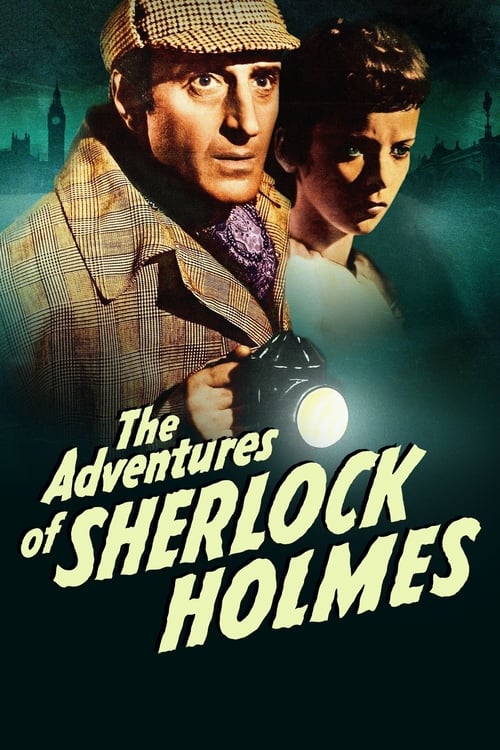
1939
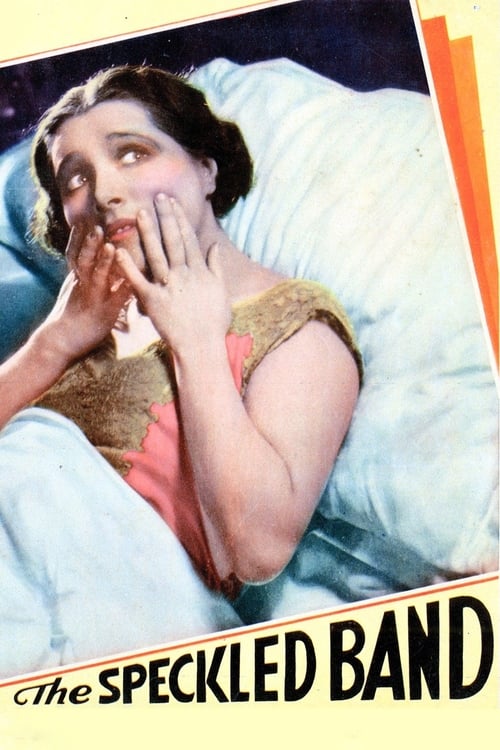
1931
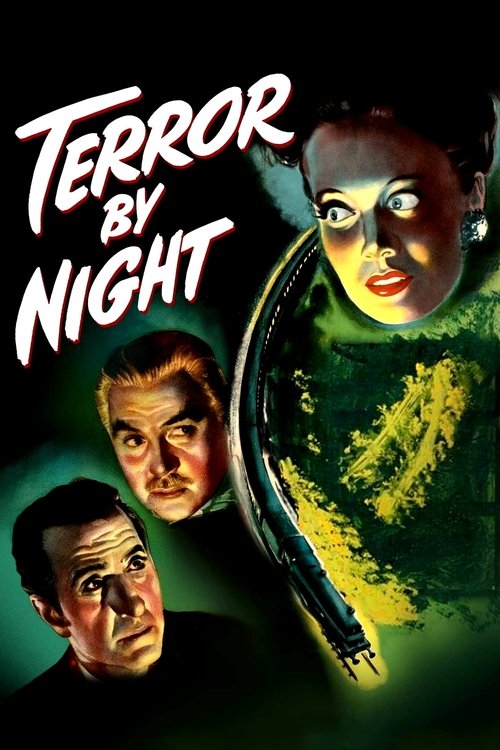
1946
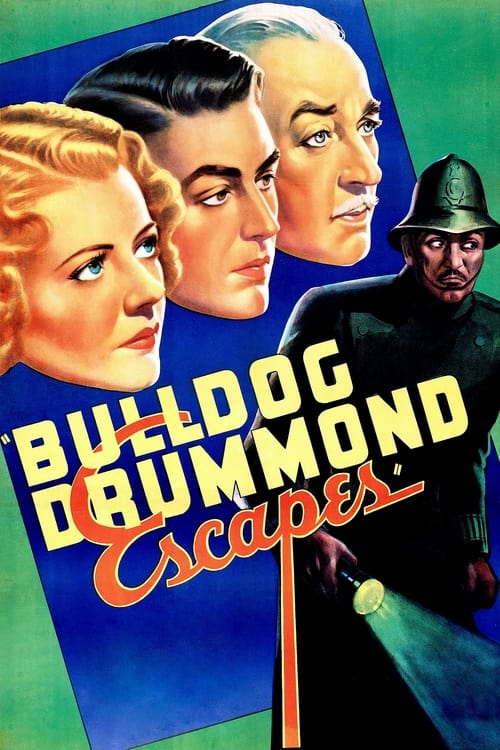
1937
1935
No reviews yet. Be the first to share your thoughts on this movie!
Use the rating form above to leave a star rating and optional review.