
Green Bush
2005
No user ratings available yet
Diversity score: 7.2 out of 10
2020
TV-MADirector
Chaitanya Tamhane
Runtime
128 minutes
Average Rating
No ratings yetSynopsis
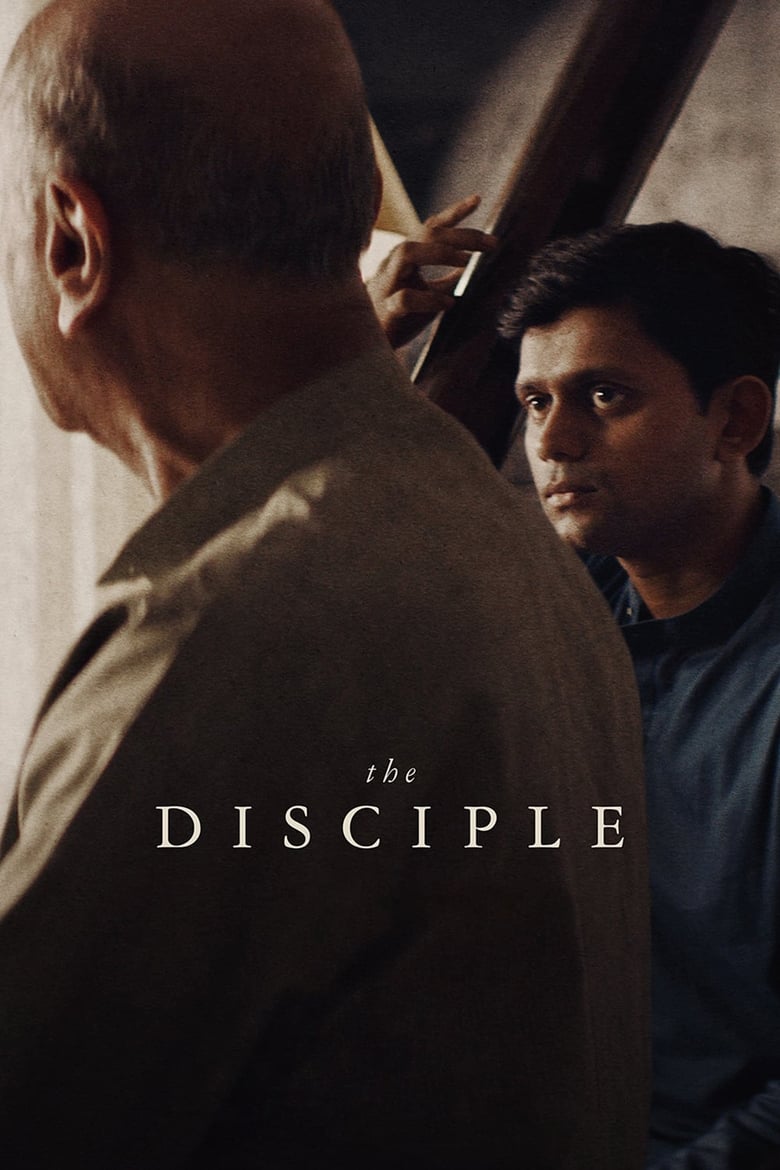
Self-doubt, sacrifice and struggle converge into an existential crisis for a devoted classical vocalist as the mastery he strives for remains elusive.
Overall Score
Fair
Category Breakdown
LGBTQ+ Representation
The film adheres strictly to heteronormative and traditional social structures. There is no discernible presence of queer narratives or non-cisnormative identities within the musical community.
Gender Representation
The narrative is heavily weighted toward male-dominated hierarchies and the guru-shishya relationship. Female characters occupy peripheral roles that do not disrupt the central male-centric power dynamics.
Racial & Ethnic Diversity
The film excels in cultural specificity and authentic representation. By centering on Indian classical music, it avoids the Western gaze through an authentically localized cast and setting.
Religious & Cultural Diversity
The story offers a sophisticated critique of how capitalist structures and economic necessity impact traditional art. It explores the tension between cultural preservation and modern survival.
Disability Representation
The film does not center on visible or neurodivergent disabilities. It instead explores the invisible psychological burden of perfectionism and existential crisis.
Strengths
Areas for Improvement
AI Analysis
Chaitanya Tamhane’s *The Disciple* is a profound study of artistic devotion that succeeds through its deep commitment to cultural authenticity. It avoids Western cinematic tropes, instead offering a localized, non-tokenized immersion into the nuances of Hindustani classical music. However, the film remains tethered to traditional social hierarchies. The focus on male-dominated mentorship structures and the absence of queer identities result in a narrow social scope that mirrors the conservative environments it depicts. Ultimately, the film's strength lies in its systemic critique. It masterfully examines how globalized modernity and economic pressures threaten the survival of indigenous traditions, making it a significant post-colonial work.
2005

2024

2021

2014

2019
1989
1998

2019
2014

1958

2007
2009
No reviews yet. Be the first to share your thoughts on this movie!
Use the rating form above to leave a star rating and optional review.