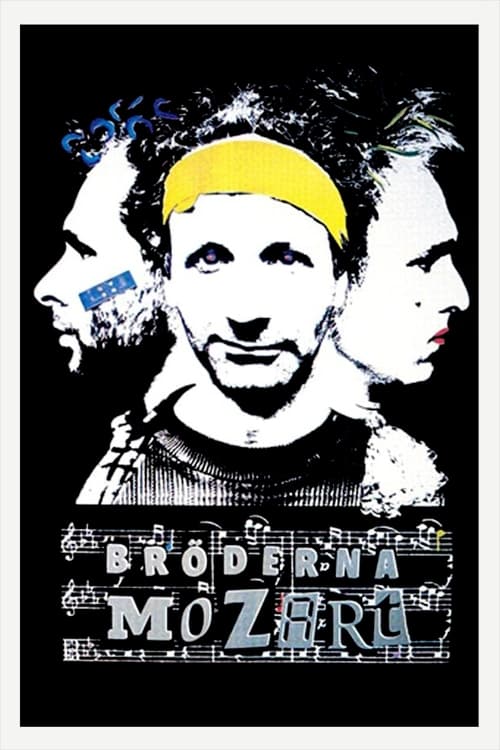
The Mozart Brothers
1986
No user ratings available yet
Diversity score: 5.9 out of 10
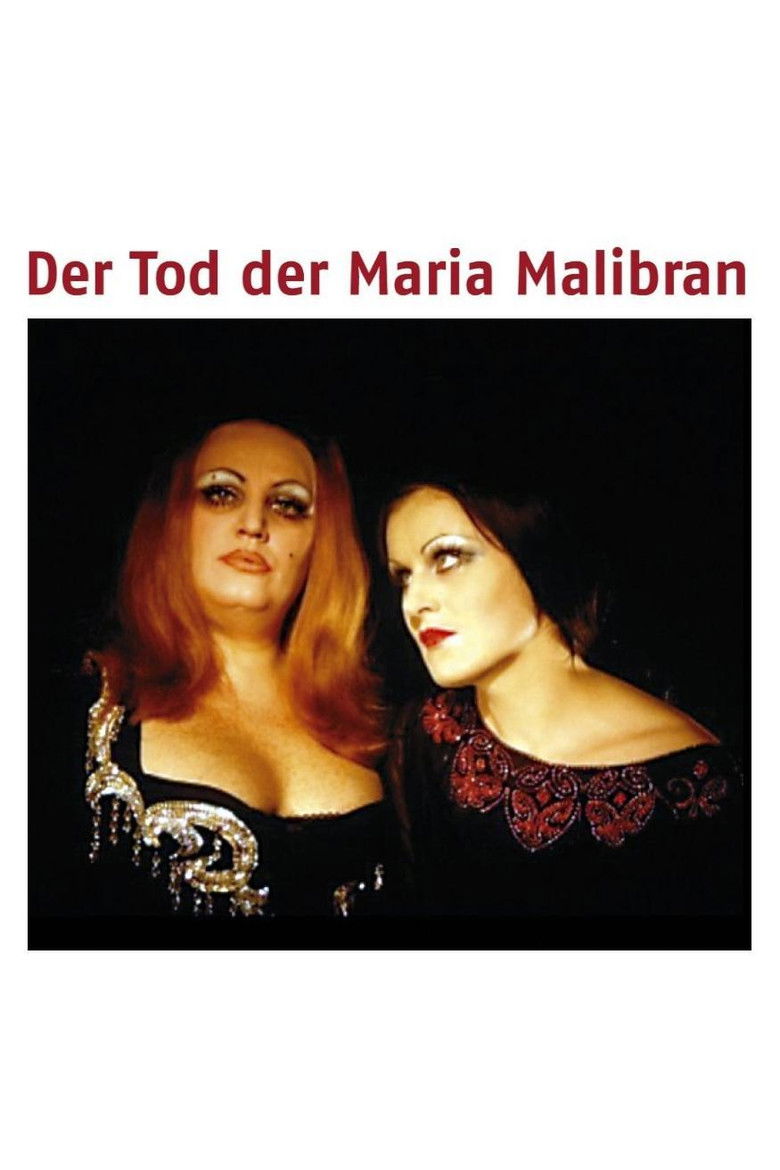
1972
Director
Werner Schroeter
Runtime
104 minutes
Average Rating
No ratings yetSynopsis
Werner Schroeter mixes Stravinsky, Beethoven, Brahms, Maria Callas and Janis Joplin in this delirious biography of the doomed nineteenth-century mezzo-soprano.
Overall Score
Fair
Category Breakdown
LGBTQ+ Representation
The film utilizes a postmodern approach to gender and persona, allowing for a fluidity of identity. However, it lacks explicit depictions of same-sex intimacy or non-cisnormative agency.
Gender Representation
The narrative centers entirely on the female experience, elevating a female performer to a position of supreme artistic power. This disrupts patriarchal hierarchies and the standard male-centric gaze.
Racial & Ethnic Diversity
The production reflects the homogeneous European cultural landscape of the 19th century. There is no evidence of color-blind casting or the integration of diverse ethnic identities.
Religious & Cultural Diversity
Schroeter deconstructs traditional historical narratives through fragmented tableaux. The film prioritizes subjective, emotional truths and aesthetic relativism over rigid, Western storytelling institutions.
Disability Representation
There is no discernible evidence regarding the portrayal of physical or neurodivergent disabilities within the work.
Strengths
Areas for Improvement
AI Analysis
Werner Schroeter’s film is a formal subversion of the biopic genre. It replaces linear Western storytelling with a highly stylized, fragmented exploration of identity and persona. While it lacks explicit diversity in race and LGBTQ+ agency, it succeeds in challenging traditional cinematic hierarchies. The film's strength lies in its gendered narrative architecture. By centering the female voice and artistic power, it disrupts the passive roles often assigned to women in historical dramas. It functions more as a critique of dramatic structures than a traditional biography. Ultimately, the work is a study of artifice. It trades historical objectivity for emotional and sensory expression, making it a significant piece of New German Cinema that prioritizes the deconstruction of the subject.
1986
2010
1988
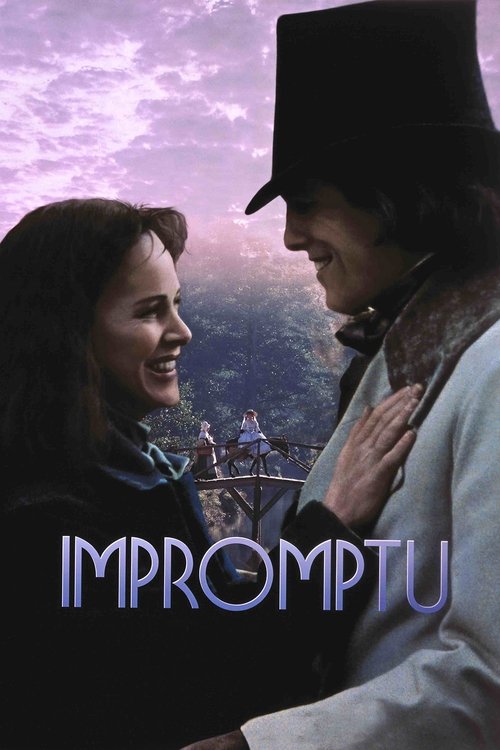
1991
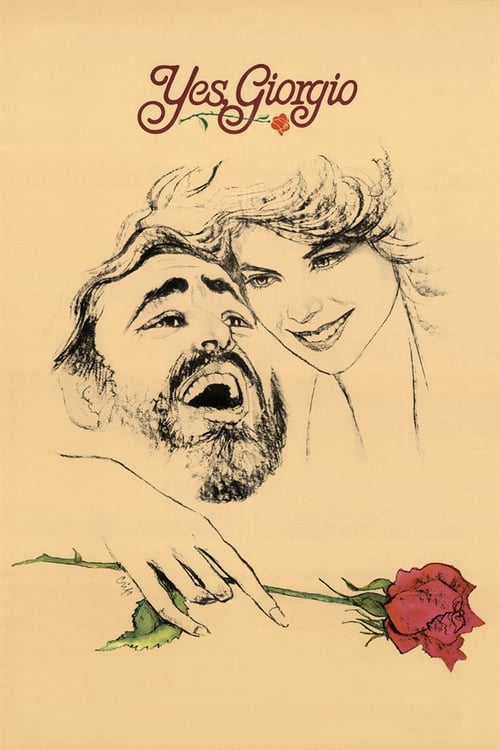
1982
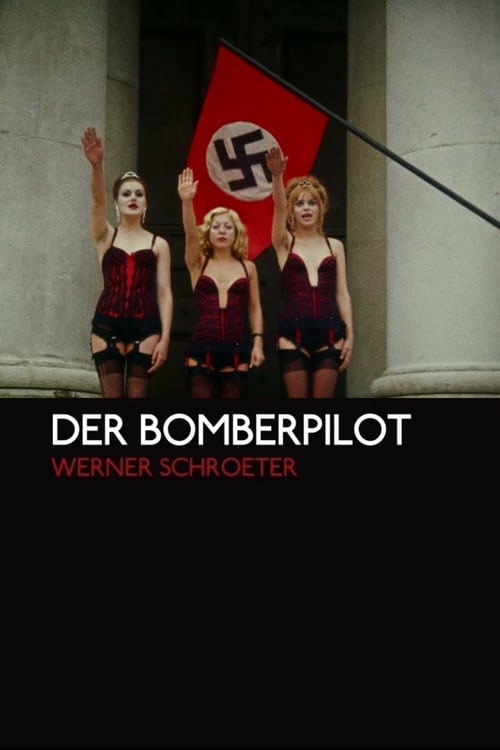
1970
No reviews yet. Be the first to share your thoughts on this movie!
Use the rating form above to leave a star rating and optional review.