Fidel
2016
No user ratings available yet
Representation score: 6.1 out of 10
Representation Score
Excellent
1979
Director
Tomás Gutiérrez Alea
Runtime
130 minutes
Average Rating
No ratings yetNew Showbiz Analysis
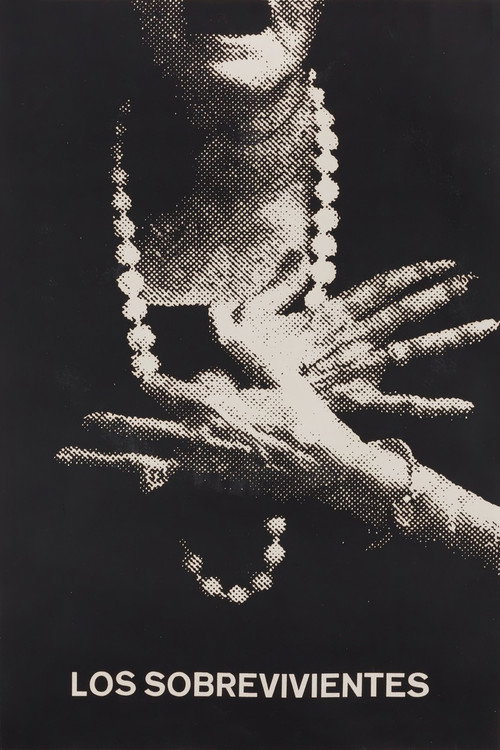
The film stands out as a localized, anti-imperialist critique centered around the Cuban experience. Utilizing a predominantly Latino cast and a post-colonial perspective, it successfully avoids the traditional Western viewpoint. However, the narrative lacks engagement with specific identity politics, such as LGBTQ+ identities or disability representation. Its strength lies in its cultural intentionality, using the regression of a bourgeois family to deconstruct capitalist and colonial legacies through a progressive lens.
Category Breakdown
The film focuses on the breakdown of a family unit due to socio-political factors, without explicitly representing non-straight gender expressions. It provides a historical critique rather than direct LGBTQ+ representation.
The traditional patriarchal structures are challenged as the family's socioeconomic status declines. The narrative highlights that the domestic sphere faces the same systemic decay as the political landscape.
The film offers an authentic depiction of Cuban identity through a predominantly Latino cast. It avoids a Western perspective by prioritizing a localized, post-colonial viewpoint.
The narrative critiques Western institutions and capitalist frameworks. It portrays the family's obsession with aristocratic status as a descent into absurdity and dysfunction.
There is no significant representation of characters with visible or invisible disabilities. The narrative focuses on the class regression rather than individual physical or neurodivergent experiences.
Present on Screen
Limited or Absent
Official Synopsis
A bourgeois Cuban family of aristocratic origin locks itself into its mansion when the Cuban Revolution comes to power, waiting for the new regime to be overthrown. As time passes, they regress to older and older systems of political order, from capitalism to feudalism to "primitive savagery."
2016

1964
1994
1967
1995

2005

2006
2017
No reviews yet. Be the first to share your thoughts on this movie!
Use the rating form above to leave a star rating and optional review.