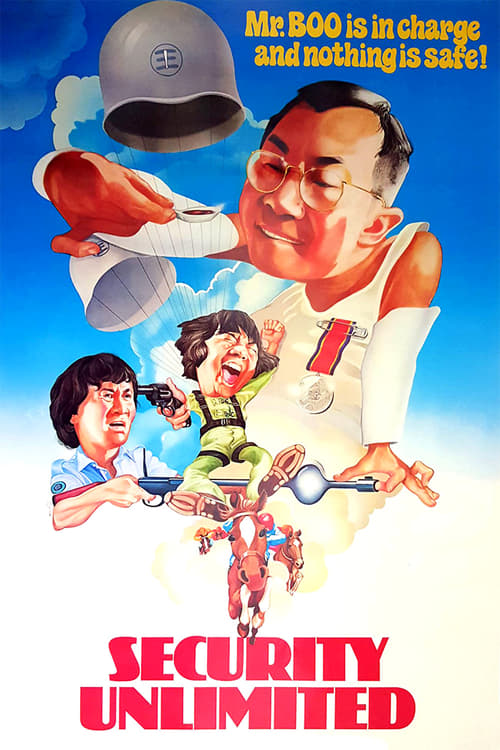
Security Unlimited
1981
No user ratings available yet
Diversity score: 3.7 out of 10
1975
Director
Michael Hui Koon-Man
Runtime
98 minutes
Average Rating
No ratings yetSynopsis
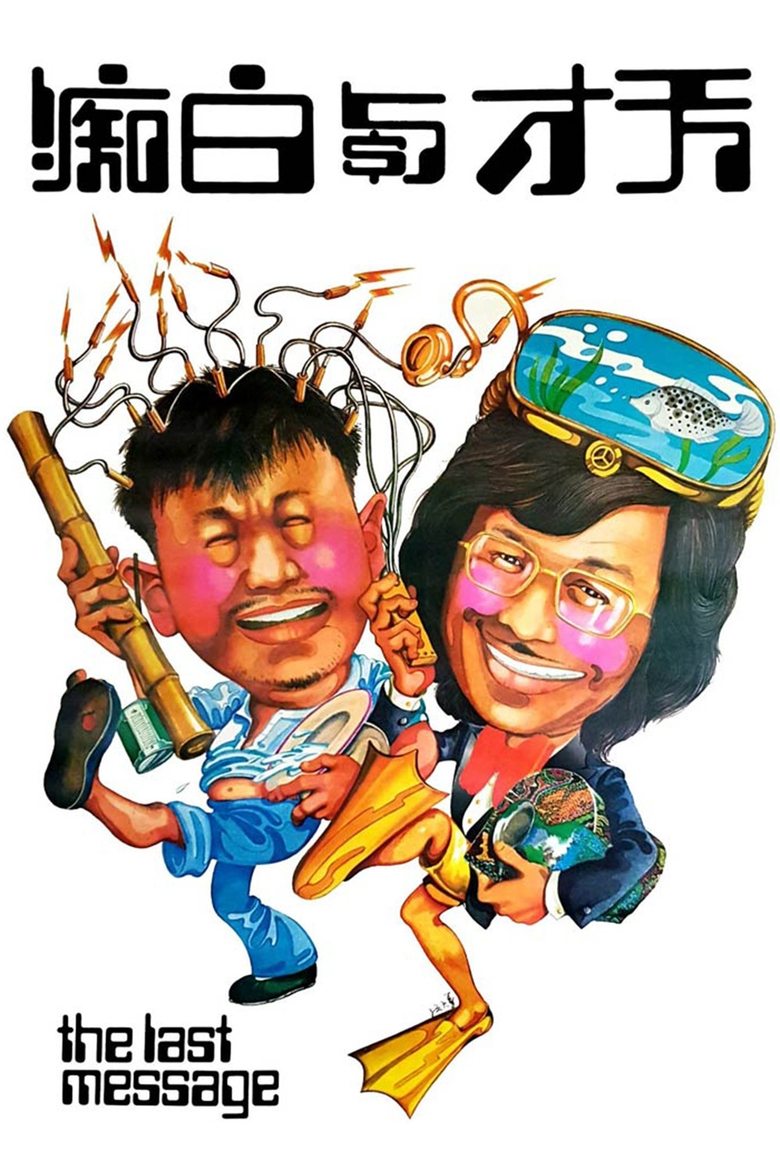
Li (Sam Hui) works at a sanitarium as a male nurse, and Ah Tim (Michael Hui) is a handy man. One day, a bearded old man is sent into the sanitarium with a large bag. Ah Tim manages to steal the bag, and finds antique fragments inside. When the old man dies, the pair learn from his daughter that there is a sunken vessel that is loaded with much more than they already have, so they decide to go after the sunken treasure.
Overall Score
Limited
Category Breakdown
LGBTQ+ Representation
The film lacks evidence of LGBTQ+ characters or non-cisnormative identities. The narrative focus remains strictly on a male-centric comedic duo.
Gender Representation
Agency is concentrated within the male protagonists, a nurse and a handyman. Female characters, such as the deceased man's daughter, serve primarily as functional plot catalysts.
Racial & Ethnic Diversity
The Cantonese cast provides a non-Western perspective on the treasure-hunting trope. This placement disrupts Anglo-centric cinematic norms through its specific cultural setting.
Religious & Cultural Diversity
The story explores opportunism and situational ethics through its protagonists. Rather than following rigid moral frameworks, the characters prioritize survival and the pursuit of wealth.
Disability Representation
The sanitarium setting introduces themes of institutionalization and mental health. However, it is unclear if these elements offer neurodivergent agency or merely serve as a comedic backdrop.
Strengths
Areas for Improvement
AI Analysis
The film is a product of its era, utilizing a traditional comedic structure that prioritizes slapstick and situational humor. While it offers a valuable non-Western perspective through its Cantonese roots, the narrative agency is heavily skewed toward male characters. Diversity is limited by a lack of intersectional representation. The focus on a male duo and the functional use of female characters suggest a conventional approach to character roles. While the setting touches on institutionalization, the depth of disability representation remains unverified. The film succeeds in providing cultural specificity but lacks progressive identity exploration.
1981

1992
1974
1976
1974
1992
1974

2012
1977
2004
1976
1977
No reviews yet. Be the first to share your thoughts on this movie!
Use the rating form above to leave a star rating and optional review.