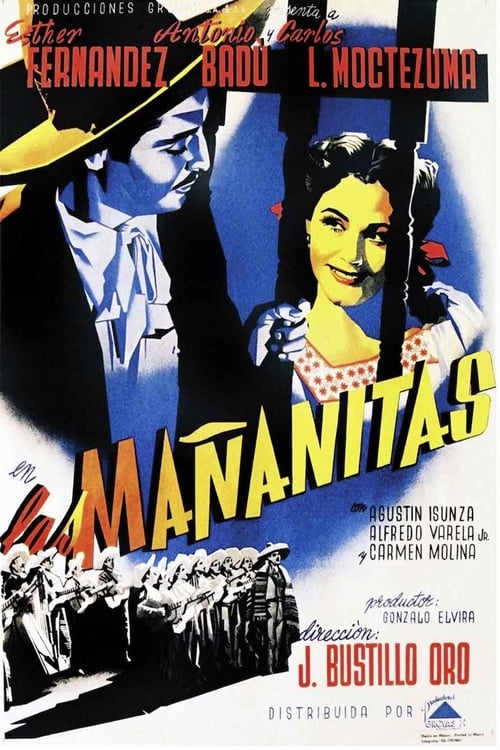
Las mañanitas
1948
No user ratings available yet
Representation score: 3.6 out of 10

Representation Score
Limited
1974
Director
René Cardona
Runtime
91 minutes
Average Rating
No ratings yetNew Showbiz Analysis
El Hijo Del Pueblo primarily serves as a socioeconomic critique rather than a diverse character study. Its strength lies in deconstructing urban power hierarchies and reclaiming local identity against metropolitan elitism. However, the film lacks representation in several key areas. There is no visible inclusion of LGBTQ+ identities or characters with disabilities, which significantly lowers the overall score. The narrative is heavily centered on a male protagonist, focusing on his rejection of city-based classism. While it offers a strong cultural perspective, the lack of characters who reflect more than one aspect of diversity limits its breadth.
Category Breakdown
The film does not include any LGBTQ+ characters or stories about non-assuming gender matches what was assigned at birth identities. It focuses on traditional social and class-based conflicts.
The story centers around a male protagonist's journey towards self-actualization and autonomy. While female characters are not given much attention, the film critiques the social structures of the city.
By emphasizing a Mexican perspective and the 'pueblo,' the film reclaims local identity. It challenges Westernized, elite social standards through its focus on domestic class struggles.
The film portrays urban environments as sites of hypocrisy and classism. It promotes a critique of capitalist stratification by valuing rural, non-metropolitan structures over corrupt urban institutions.
There is no evidence of characters with physical or neurodivergent disabilities in the film's narrative.
Present on Screen
Limited or Absent
Official Synopsis
At the end of an unhappy romance, a Mexico City cabdriver decides he's fed up with big-city classism and hypocrisy, and goes home to his ranch. Soon, a group of city-folk are stranded on his property and dependent on him for help and sustenance.
1948
1950
1946
1947
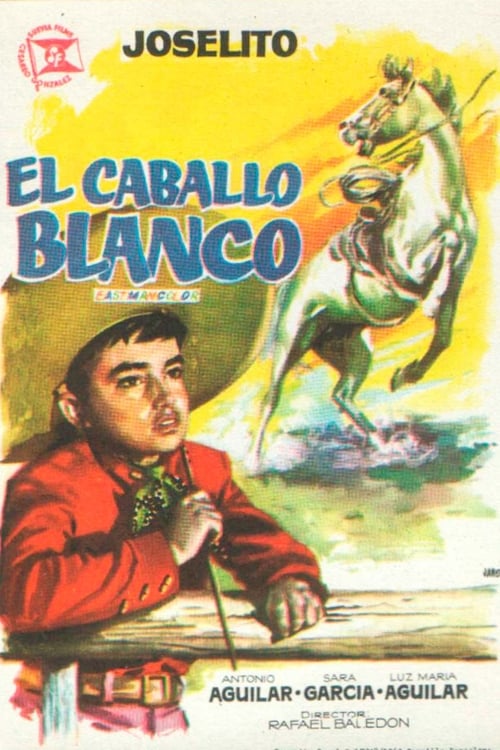
1962
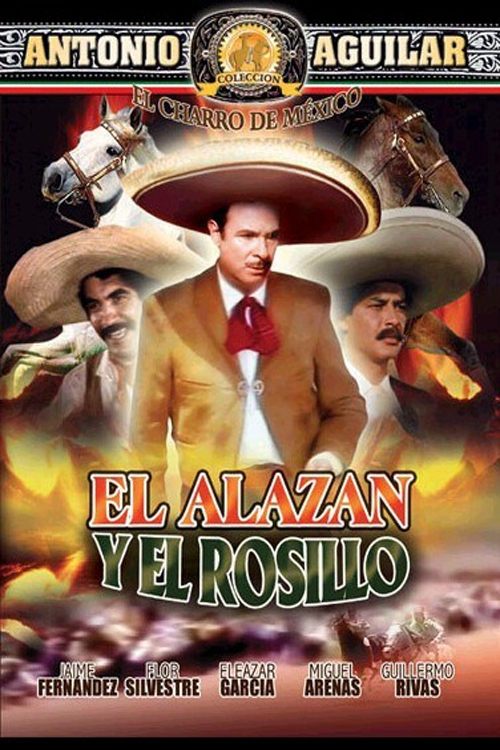
1966
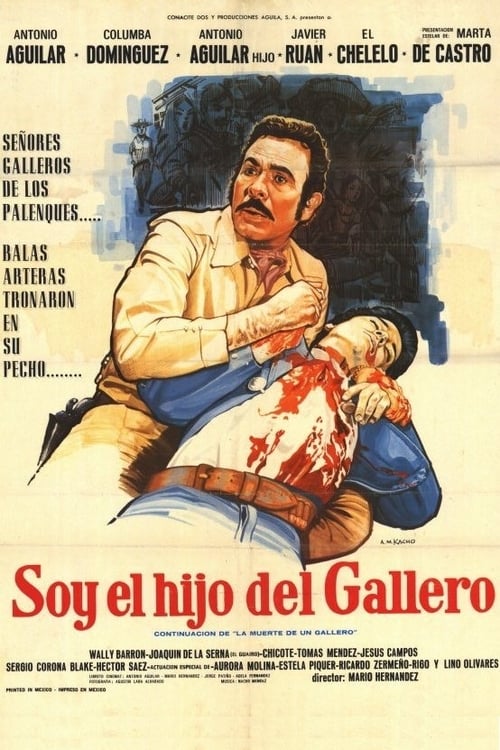
1978
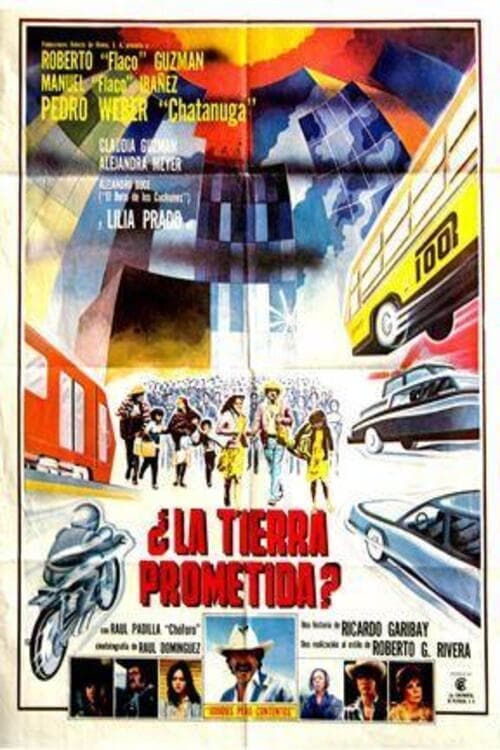
1986
No reviews yet. Be the first to share your thoughts on this movie!
Use the rating form above to leave a star rating and optional review.