¡Ay qué rechula es Puebla!
1946
No user ratings available yet
Representation score: 2.3 out of 10
Representation Score
Minimal
1947
Director
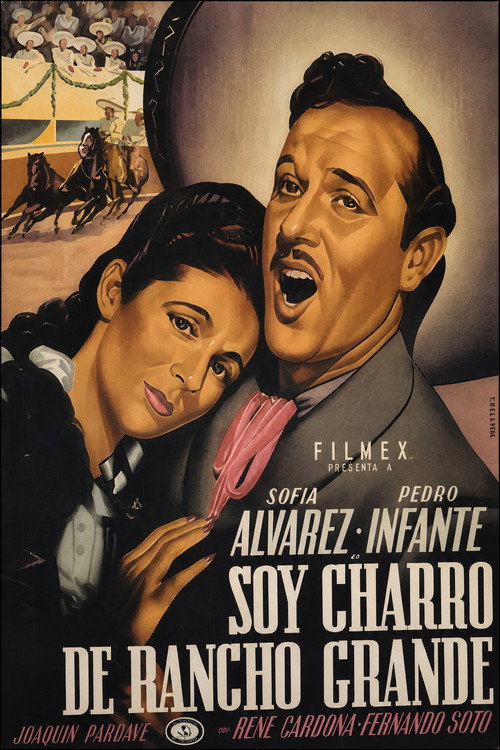
Joaquín Pardavé
Average Rating
No ratings yetNew Showbiz Analysis
Soy charro de Rancho Grande serves as a foundational pillar of the Golden Age of Mexican cinema, specifically through the comedia ranchera genre. It is a work designed to consolidate a unified national identity by celebrating traditional archetypes and rural lifestyles. While the film offers a culturally specific and deep portrayal of the Mexican peasantry, it primarily upholds established social and moral hierarchies. The narrative prioritizes the stability of the patriarchal order and religious institutions over progressive representation or social subversion. Ultimately, the film's strength lies in its role in post-revolutionary nation-building, though it lacks the multi-layered complexity required for a modern diversity standard.
Category Breakdown
The film strictly follows the assumption that everyone is straight or cisgender. There are no representations of LGBTQ+ identities or non-binary gender expressions.
The film emphasizes traditional gender roles. The male protagonist drives the plot as a patriarchal figure, while women are mostly defined by their domestic and romantic roles.
The film focuses on a singular vision of Mexican peasantry to build a sense of nationhood. It does not include an multi-layered blend of ethnic groups.
The film upholds nationalism and Catholic social values. It celebrates rural stability and respect for authority, without challenging traditional family or religious structures.
There are no characters with visible or invisible disabilities serving as central narrative drivers or plot devices.
Present on Screen
Limited or Absent
1946

1962
1941
1946
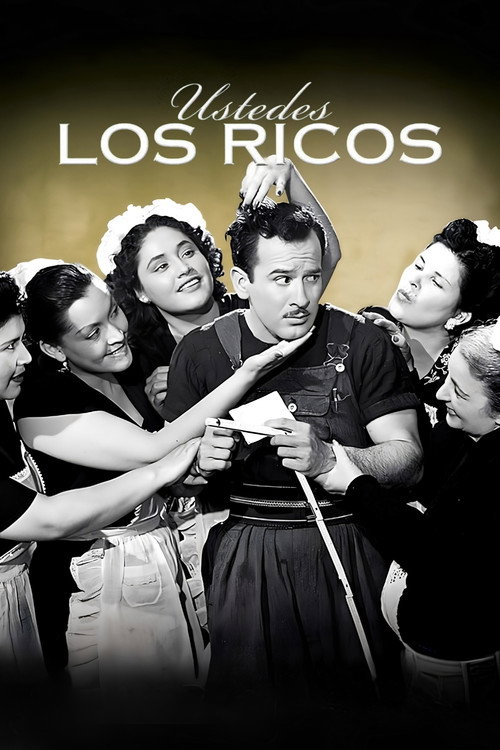
1948
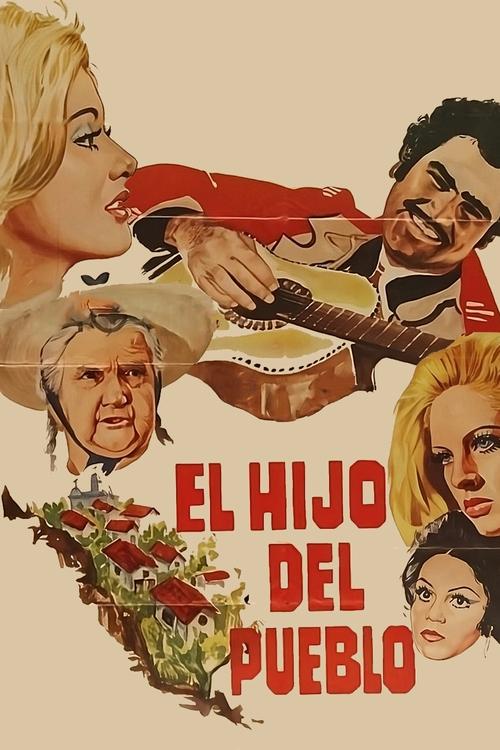
1974
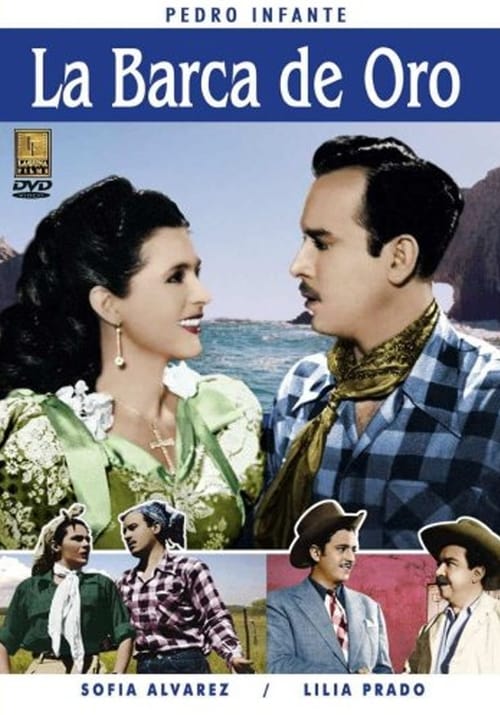
1947
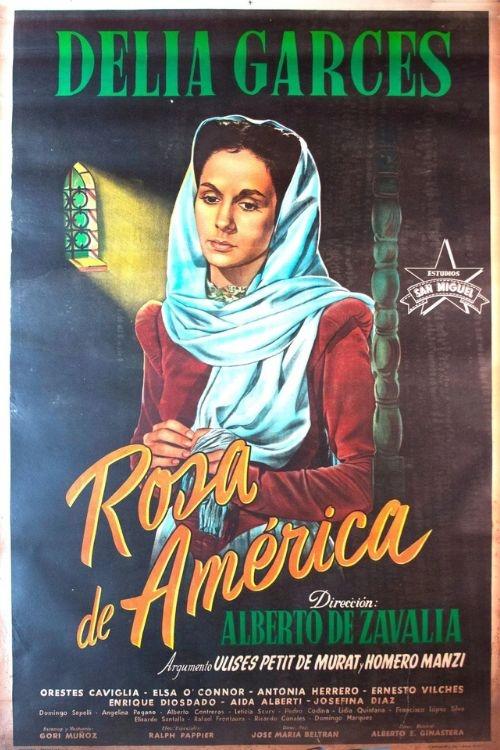
1946
No reviews yet. Be the first to share your thoughts on this movie!
Use the rating form above to leave a star rating and optional review.