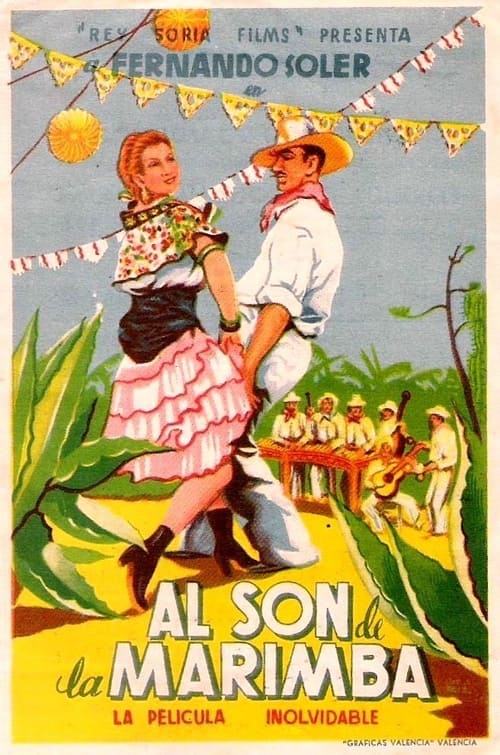
Al son de la marimba
1940
No user ratings available yet
Representation score: 1.5 out of 10
Representation Score
Limited
1948
Director
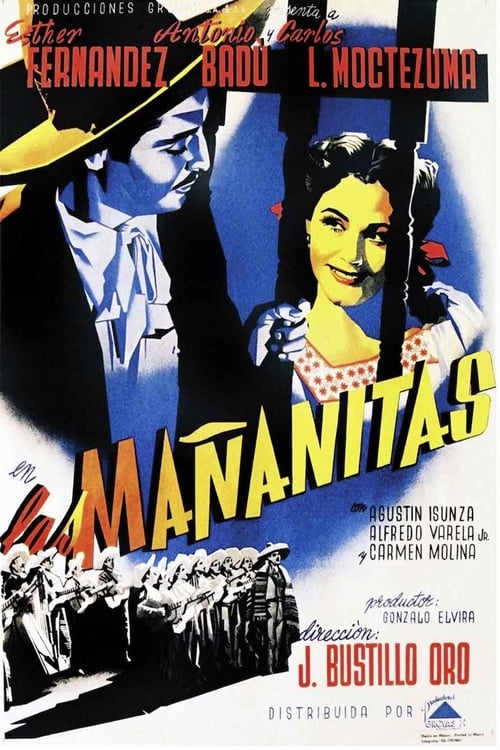
Juan Bustillo Oro
Runtime
88 minutes
Average Rating
No ratings yetNew Showbiz Analysis
Las mañanitas is a product of the Golden Age of Mexican cinema, offering a vital non-Western perspective that resists Hollywood's historical dominance. It centers Mexican social structures and local cultural identities through its domestic setting. However, the film is deeply rooted in the traditional values of its era. The plot relies on conventional romantic clichés and established social hierarchies, particularly concerning land ownership and class-based power dynamics. While the female protagonist shows some autonomy in her romantic choices, the film's framework remains largely conservative, reflecting the mid-century social norms of its time.
Category Breakdown
The film follows a typical romantic storyline focused on heterosexual relationships. There are no scenes showing same-sex intimacy or characters with non-cisgender identities.
A female tenant takes control by rejecting a wealthy landowner for another suitor. However, the power dynamics are still tied to traditional socioeconomic hierarchies.
The film centers around Mexican culture and local perspectives. It provides a key example of non-Western storytelling within a domestic setting.
The narrative adheres to the traditional social and moral frameworks of 1940s Mexico. It highlights established social classes and traditional courtship practices.
There are no characters with visible or invisible disabilities mentioned in the story.
Present on Screen
Limited or Absent
Official Synopsis
Rom-com scheming; wealthy landowner wants to seduce one of his tenants, but she wants the other guy...
1940
1949
1942
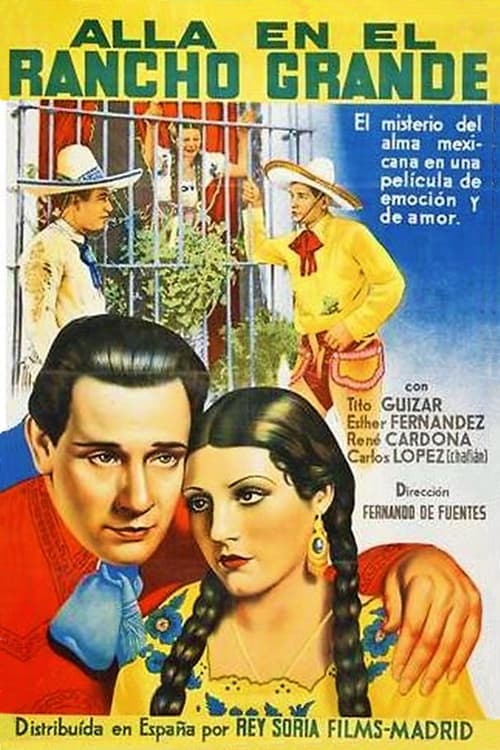
1936
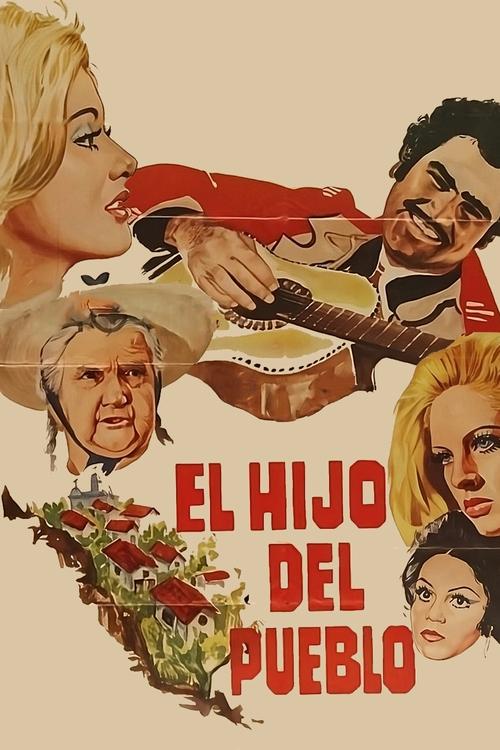
1974
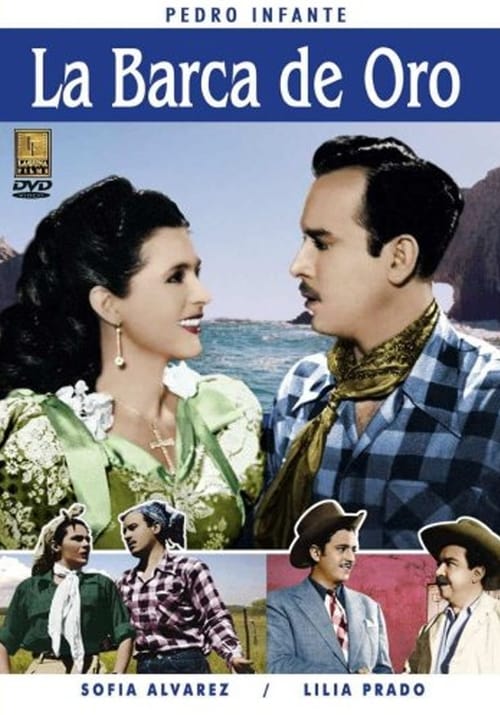
1947
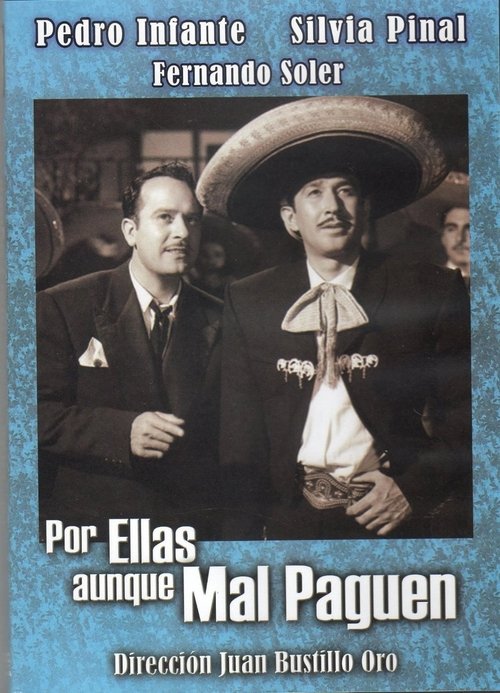
1952
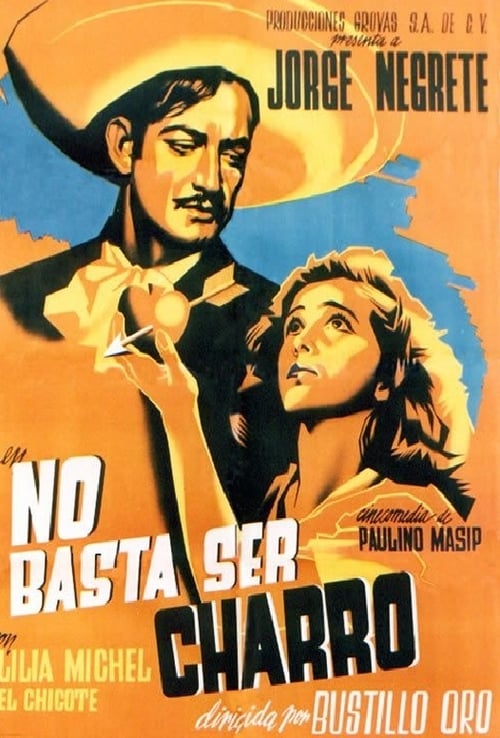
1946
No reviews yet. Be the first to share your thoughts on this movie!
Use the rating form above to leave a star rating and optional review.