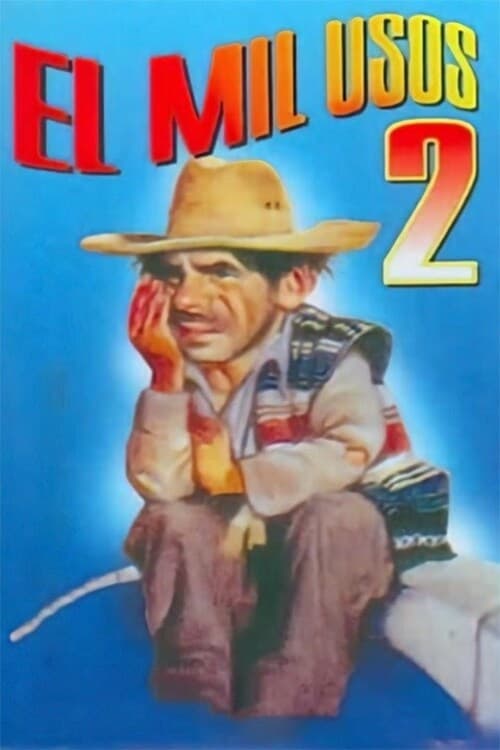
El Mil Usos II
1984
No user ratings available yet
Representation score: 1.9 out of 10
Representation Score
Limited
1986
Director
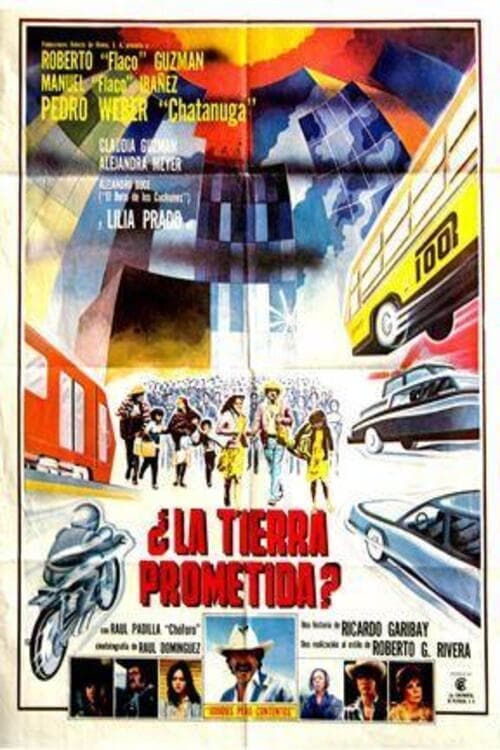
Roberto G. Rivera
Runtime
96 minutes
Average Rating
No ratings yetNew Showbiz Analysis
The film functions as a social commentary on economic displacement and the changing landscapes of 1980s Mexico. Its strength lies in exploring the tension between traditional rural livelihoods and the harsh realities of urban modernization. While the narrative offers a meaningful look at class-based migration and systemic economic challenges, it lacks depth in representing diverse identities. The absence of characters with disabilities and the lack of LGBTQ+ representation limit its overall impact. Ultimately, the work highlights the friction caused by agricultural failures and the migration to Mexico City, emphasizing socio-economic issues over specific identity politics.
Category Breakdown
The film does not include any characters or stories related to LGBTQ+ identities or non-cisgender identities. It focuses on traditional family structures.
The narrative centers around a family unit, but there is no clear indication of subverting traditional gender roles or power dynamics.
The story explores regional and ethnic identity through the lens of internal migration within a Latin American context. It examines the intersection of class and regional identity.
The film critiques the stability of agrarian life compared to the promise of urban centers. It delves into systemic economic pressures and the breakdown of rural idealism.
There is no evidence of characters with visible or invisible disabilities in this work.
Present on Screen
Limited or Absent
Official Synopsis
Farm's not producing, and a rural family feel like they've exhausted their options, so they move to Mexico City.
1984

2011
1981

2008

1982
1939
1958

2008
No reviews yet. Be the first to share your thoughts on this movie!
Use the rating form above to leave a star rating and optional review.