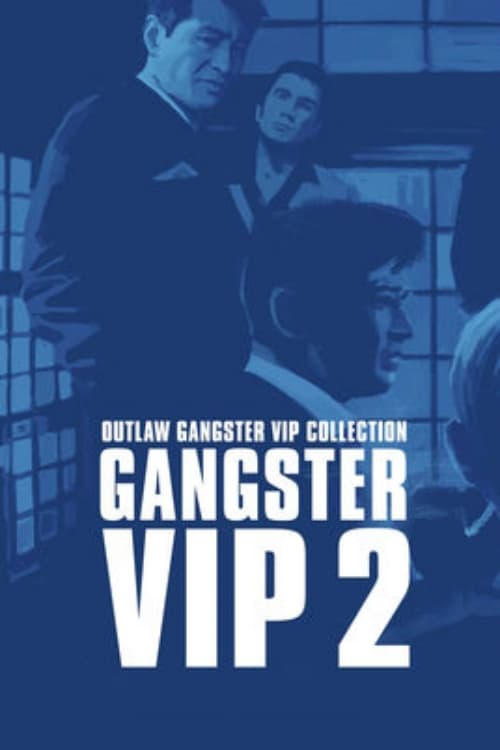
Outlaw: Gangster VIP 2
1968
No user ratings available yet
Representation score: 3.4 out of 10
Representation Score
Minimal
1968
Not RatedDirector
Mio Ezaki
Runtime
92 minutes
Average Rating
No ratings yetNew Showbiz Analysis
Outlaw: Heartless is a focused study of mid-century Japanese criminal hierarchies. The film adheres to the conventional expectations of the yakuza genre, emphasizing power, debt, and masculine roles. The narrative structure is built on traditional masculine clichés and rigid social structures, which limit opportunities for diverse representation. Ultimately, the film serves as a study of organized crime rather than a platform for varied social perspectives.
Category Breakdown
The film centers on hierarchical relationships within a male-dominated criminal underworld and does not include non-cisgender identities or critiques of heteronormativity.
The narrative emphasizes a traditional masculine hierarchy. Although Chieko Matsubara is a top-billed actress, the main conflict revolves around male characters dealing with debt and power dynamics.
The film reflects the homogeneous social landscape of its time and genre, providing cultural specificity through Japanese social structures but lacking a multi-ethnic cast.
The story examines the breakdown of social order through criminal activities, staying rooted in the specific cultural traditions of the Japanese underworld.
There is no mention of characters with visible or invisible disabilities, and the plot summary does not show any neurodivergent representation.
Present on Screen
Limited or Absent
Official Synopsis
Goro Fujikawa (Tetsuya Watari) was indebted to Mitsugimoto. Sawada, a low rank yakuza with a gambling problem owed Mitsugimoto three million yen. This equation can only lead to one answer. Mitsugimoto needs to pay and Goro's coming to collect.
1968
1966

1966
1990
1968
1968
1969

1972
No reviews yet. Be the first to share your thoughts on this movie!
Use the rating form above to leave a star rating and optional review.