
The Last Gunfight
1960
No user ratings available yet
Representation score: 2.3 out of 10

Representation Score
Limited
1961
Director
Kihachi Okamoto
Runtime
97 minutes
Average Rating
No ratings yetNew Showbiz Analysis
Big Shots Die at Dawn is a crime drama that emphasizes power dynamics over demographic diversity. The story follows a son's quest for revenge after his father's assassination, placing him amidst warring yakuza gangs. The film's strength lies in its thematic critique of political and social structures. However, it adheres to traditional genre conventions, limiting representation of LGBTQ+ identities and gender diversity.
Category Breakdown
The film centers around a male-led journey of vengeance and gang conflict, with no clear representation of LGBTQ+ identities or non-cisgender narratives.
The story revolves around a male protagonist in a male-dominated criminal underworld, where female characters seem to play minor roles.
Given its 1961 release date, the film features a predominantly Japanese cast without engaging with diverse ethnic identities.
The plot challenges traditional authority by focusing on a political assassination, suggesting a critique of institutional stability and patriarchal structures.
There are no characters with visible or invisible disabilities featured in the film.
Present on Screen
Limited or Absent
Official Synopsis
Grown up son arrives home to learn his father, the newly elected mayor, has been assassinated. So he journeys down a path to find the assassin and gets involved with two opposing yakuza gangs.
1960
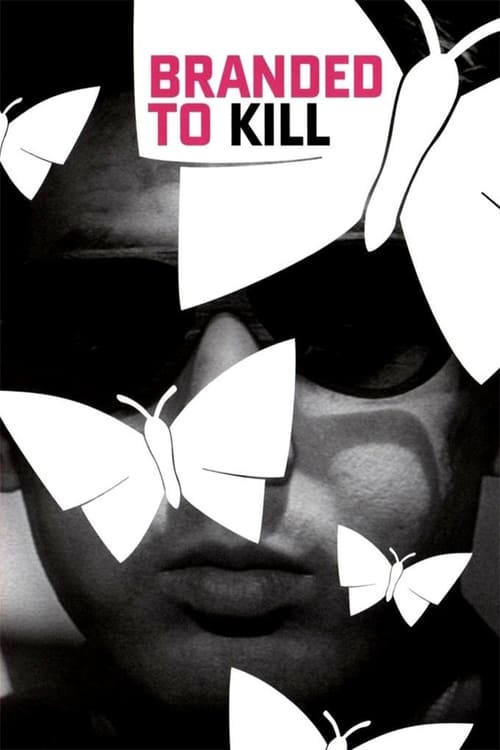
1967
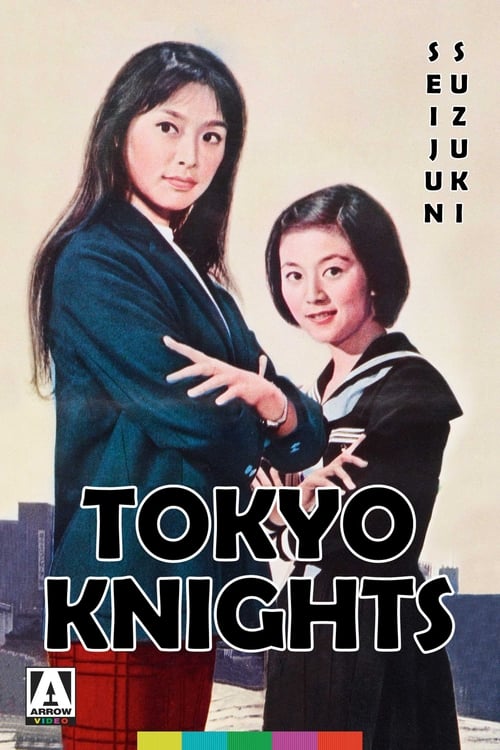
1961
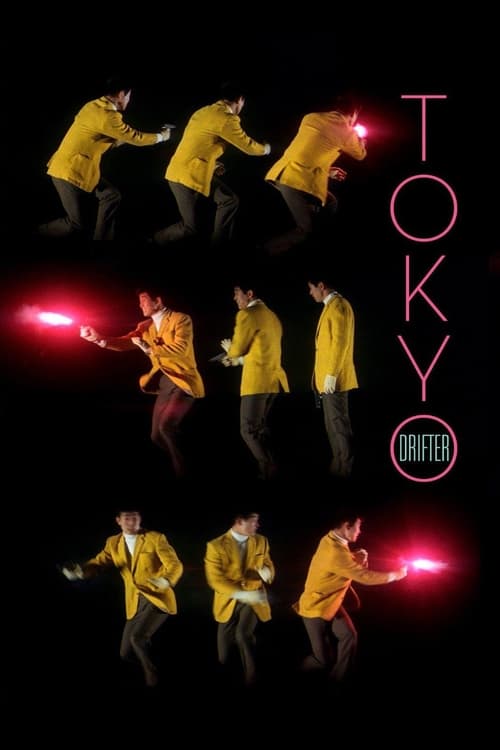
1966
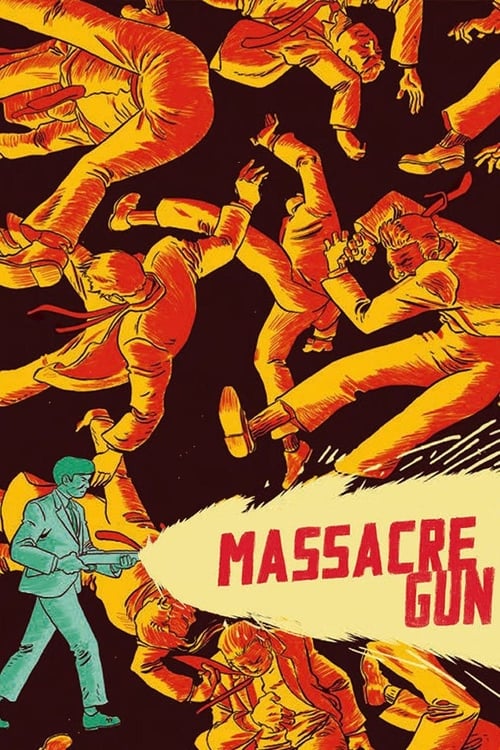
1967
1968
1963
2001
No reviews yet. Be the first to share your thoughts on this movie!
Use the rating form above to leave a star rating and optional review.