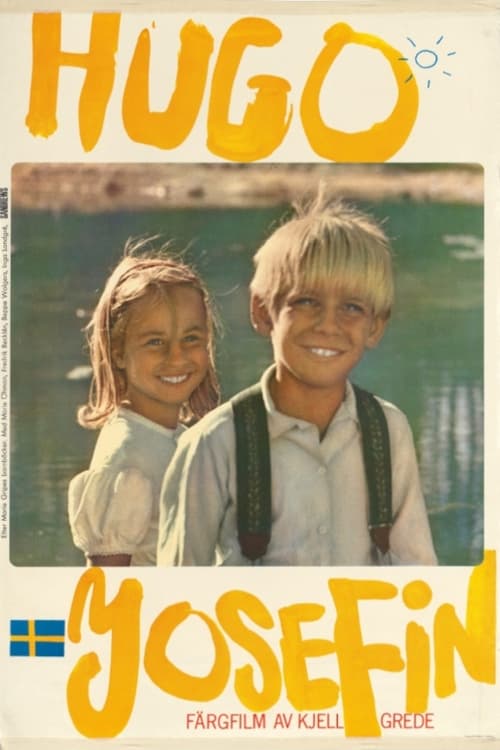
Hugo and Josephine
1967
No user ratings available yet
Representation score: 1.2 out of 10
Representation Score
Minimal
1960
Director
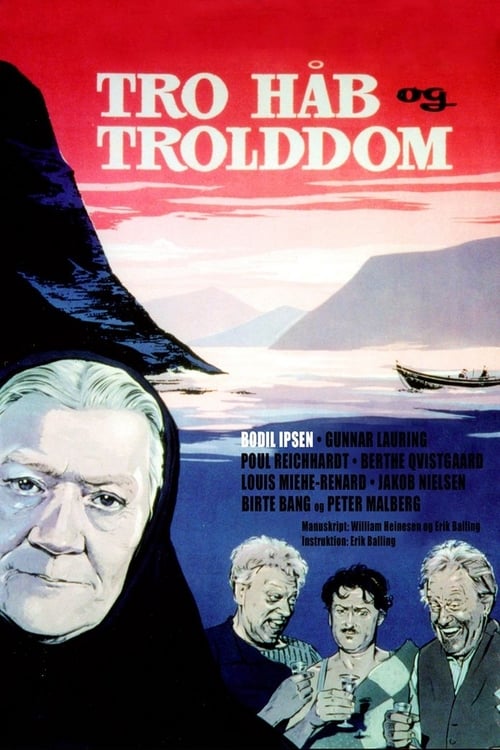
Erik Balling
Runtime
115 minutes
Average Rating
No ratings yetNew Showbiz Analysis
Faith, Hope and Witchcraft is a period-specific domestic drama that emphasizes traditional social hierarchies. The narrative revolves around maintaining a single, homogeneous family unit within a localized North Atlantic setting. The film highlights the importance of marriage and lineage to ensure family stability. This focus restricts the scope of representation, as the plot is driven by conventional means to stabilize a male-dominated household. Ultimately, the work reflects the mid-century cinematic standard of depicting localized, ethnically singular populations and conservative social structures.
Category Breakdown
The film centers on the importance of marriage and does not include any queer identities or subtext. There is no evidence of LGBTQ+ themes or characters.
Gunhild plays a significant role as a matriarchal leader, but the story also relies on traditional gender roles to resolve the central conflict involving male lineage.
The film takes place in a homogeneous community on a remote island and does not feature diverse ethnic casting or multicultural integration.
The narrative upholds traditional Western values and the sanctity of the nuclear family. It emphasizes the importance of ancestral continuity and communal responsibility.
While Gunhild is elderly, there is no evidence of disability playing a central role or serving as a plot device.
Present on Screen
Limited or Absent
Official Synopsis
In the northern part of the Atlantic Ocean on the island of Troldø lives a single farming family. The grandmother Gunhild is the only woman on the island and her son Enok is unable to find a wife. Gunhild's advanced age causes her to worry for the future of the family. So she initiates a plan to get Enok married, a plan that is put into action when the young Eva becomes stranded on the island. But the community must be shaken by several dramatic events before Gunhild can breathe a sigh of relief.
1967

1960
1968
1974
1965
1960
1953
1940
No reviews yet. Be the first to share your thoughts on this movie!
Use the rating form above to leave a star rating and optional review.