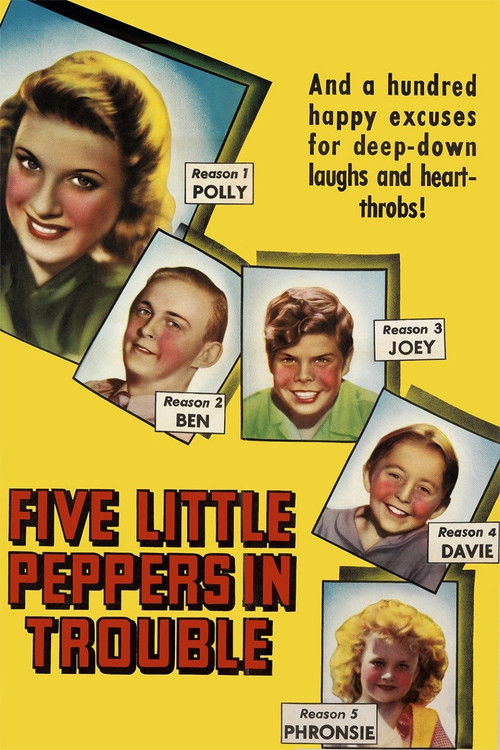
Five Little Peppers in Trouble
1940
No user ratings available yet
Representation score: 0.8 out of 10
Representation Score
Limited
1940
ApprovedDirector
Charles Barton
Runtime
62 minutes
Average Rating
No ratings yetNew Showbiz Analysis
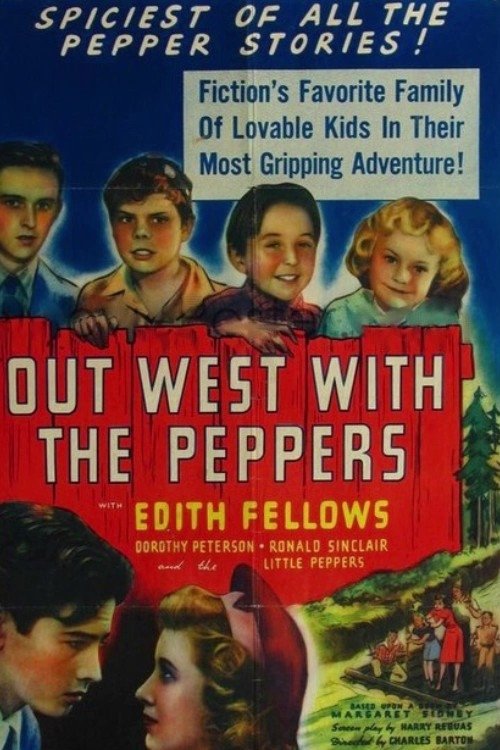
Out West with the Peppers is a classic 1940s family comedy that adheres closely to the social and demographic norms of its time. While it features a female lead, her role is confined to traditional maternal duties. The film reinforces the era's standard of depicting white, middle-class life as the default social norm, lacking any representation of racial or ethnic diversity. Ultimately, the narrative prioritizes traditional values and kinship over any disruption of established social hierarchies.
Category Breakdown
The film portrays traditional family structures typical of the 1940s, with no representation of LGBTQ+ identities or non-assuming gender matches what was assigned at birth gender expressions.
Mrs. Pepper is a central character who manages her family's relocation, but her role is limited to traditional maternal duties and domestic responsibilities.
The story centers on a white, middle-class family, reflecting the homogeneous demographics of the era, with no indication of racial or ethnic diversity.
The film emphasizes traditional Western values and the sanctity of the nuclear family, focusing on community integration and stability within established social frameworks.
Mrs. Pepper's health condition drives the plot, but it is unclear whether her health is portrayed with nuance or simply used as a straightforward plot device.
Present on Screen
Limited or Absent
Official Synopsis
When her doctor advises her to move West because of her health, Mrs. Pepper takes her five kids and relocates to Oregon to live with her sister. But adjusting to a new home and community isn't easy for the brood. Third entry in the "Five Little Peppers" series of four films.
1940

1940
1939
1960

1958

1974
1938
2006
No reviews yet. Be the first to share your thoughts on this movie!
Use the rating form above to leave a star rating and optional review.