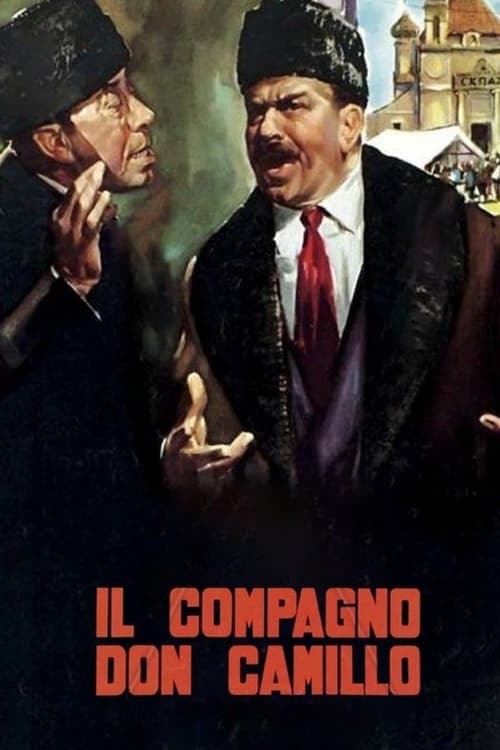
Don Camillo in Moscow
1965
No user ratings available yet
Diversity score: 3.9 out of 10
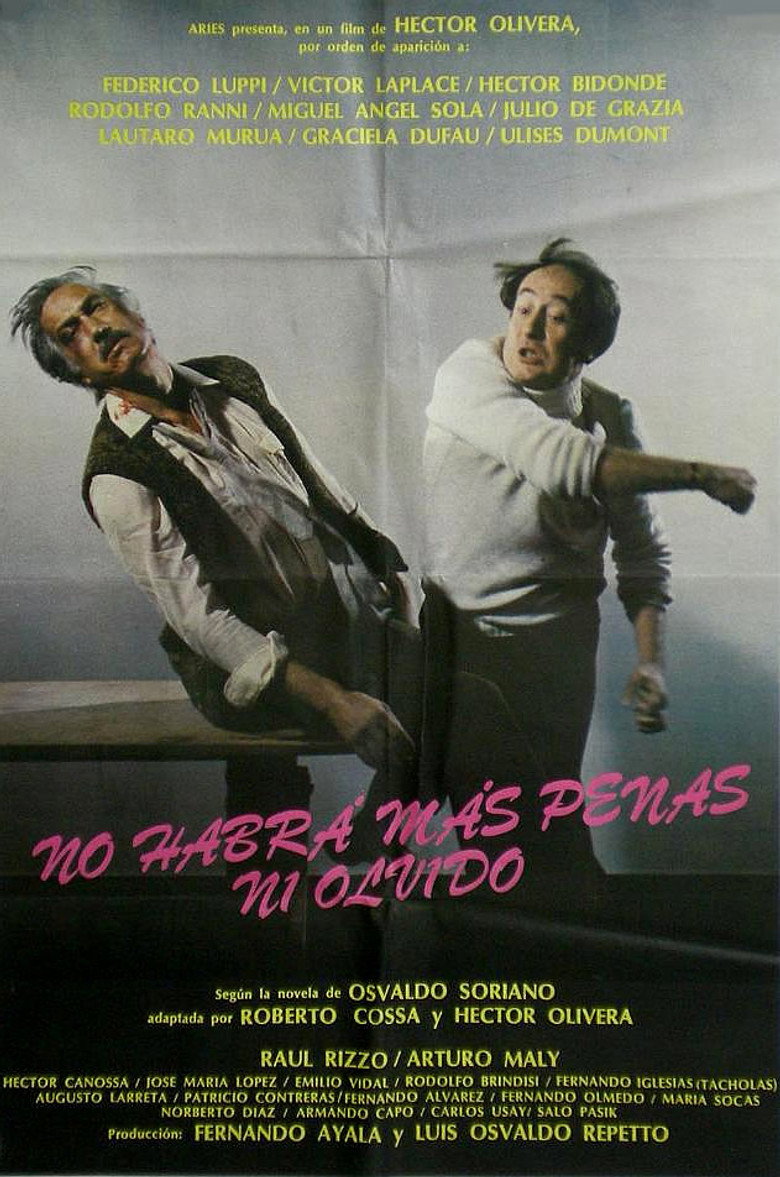
1983
Director
Héctor Olivera
Runtime
73 minutes
Average Rating
No ratings yetSynopsis
A small revolution breaks out in a small Argentine town, as one group of Peronists calls they newly elected peronist a communist. The newly elected official enlists the aid of allies ranging from the town drunk to young peronists to help hold his post. What follows is a slapstick war with a serious message.
Overall Score
Limited
Category Breakdown
LGBTQ+ Representation
The film focuses on a homogenous group of male conscripts within a military setting. There are no queer narratives or non-cisnormative identities present.
Gender Representation
The narrative operates within a strictly traditional masculine framework. It lacks female agency, focusing instead on the masculine experience of combat and vulnerability.
Racial & Ethnic Diversity
Casting reflects the demographic realities of the Argentine military era, consisting primarily of white and Mestizo individuals. It mirrors the socioeconomic composition of the period.
Religious & Cultural Diversity
The film excels by critiquing traditional Western-aligned institutional power. It portrays the military junta and state command as incompetent, corrupt, and systemically failing.
Disability Representation
There is no discernible focus on neurodivergence, physical disability, or mental health. Characters are defined by military status rather than disability.
Strengths
Areas for Improvement
AI Analysis
Héctor Olivera’s film is a profound political deconstruction that prioritizes institutional critique over demographic intersectionality. It uses a postmodern lens to expose the dysfunction of traditional power structures, framing the military hierarchy as a source of chaos. While the film lacks representation in terms of gender, LGBTQ+ presence, and disability, it achieves progressive value through its narrative architecture. The subversion lies in the dismantling of institutional sanctity rather than character identity. The work challenges the heroic mythos of the state, presenting the breakdown of authority as a rational response to systemic incompetence and an oppressive state apparatus.
1965
1952

1962
1959
1953
1987
1966

1971
1978
1980

1987
1990
No reviews yet. Be the first to share your thoughts on this movie!
Use the rating form above to leave a star rating and optional review.