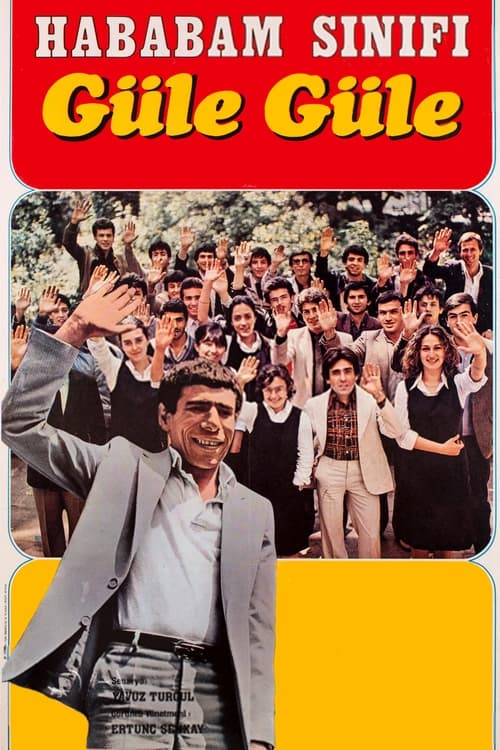
The Chaos Class: Bye Bye
1981
No user ratings available yet
Diversity score: 4.8 out of 10

1978
Director
José María Gutiérrez Santos
Runtime
94 minutes
Average Rating
No ratings yetSynopsis
Several inconformities begin to develop at a catholic boys school in the transitional Spain of the seventies. After three students are expelled, a new director arrives with new liberal ideas, but things remain the same way.
Overall Score
Fair
Category Breakdown
LGBTQ+ Representation
The film operates within conventional social frameworks of 1978. There is no evidence of queer narratives or non-cisnormative identities present in the story.
Gender Representation
The narrative centers on a young male protagonist and male-dominated authority figures. It lacks a systematic subversion of gender roles or diverse gender portrayals.
Racial & Ethnic Diversity
The setting reflects the demographic homogeneity of rural Spain during the late Franco era. The casting does not feature non-white majority groups or racial intersectionality.
Religious & Cultural Diversity
The film critiques traditional Western and Catholic institutions. By depicting students rebelling against a repressive religious boarding school, it challenges systemic authority and institutional rules.
Disability Representation
There is no documented evidence regarding the inclusion of characters with physical or neurodivergent disabilities.
Strengths
Areas for Improvement
AI Analysis
Hail Hazana serves as a transitional piece of social commentary from the late Franco era. It focuses on the friction between individual agency and repressive institutional structures rather than modern intersectional themes. The film's strength lies in its critique of religious and educational hegemony. By centering a rebellion against a strict headmaster, it disrupts the traditionalist status quo of the period. However, the work remains limited by the social constraints of its time. It lacks representation regarding LGBTQ+ identities, racial diversity, and disability, reflecting the demographic homogeneity of 1970s rural Spain.
1981

1985

1978
1988
1973
1973

1976
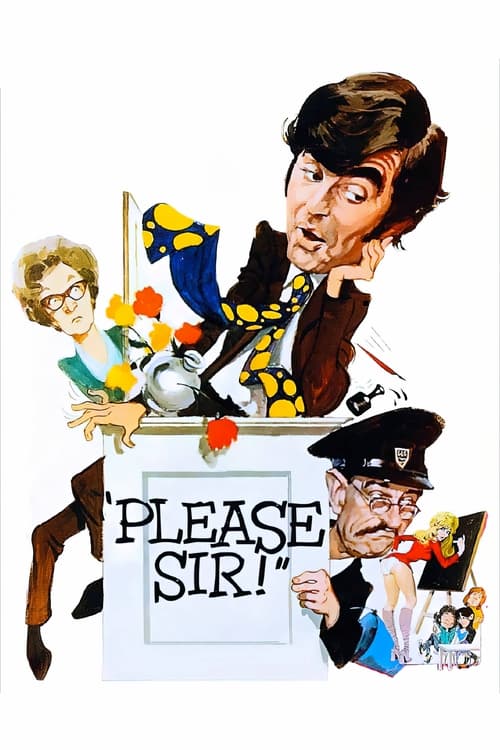
1971
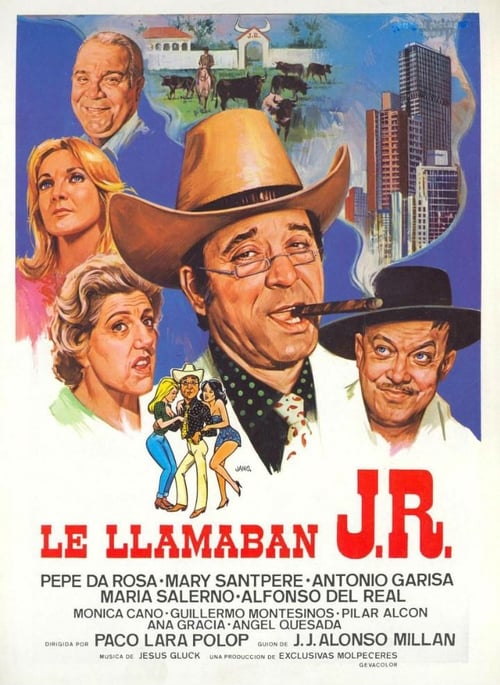
1982
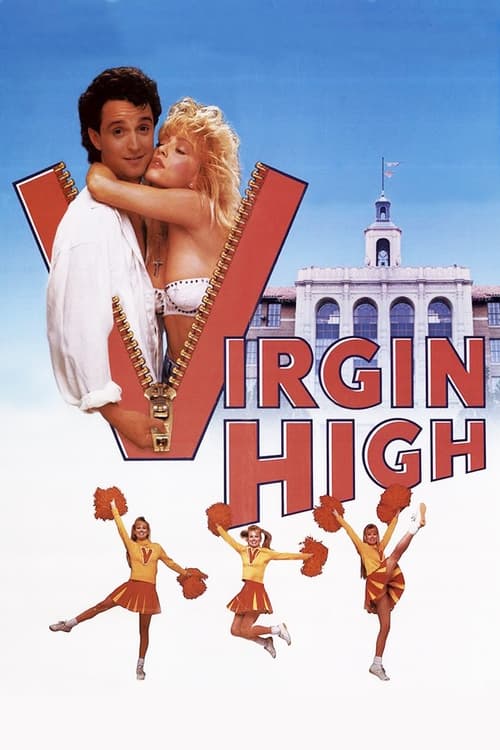
1991
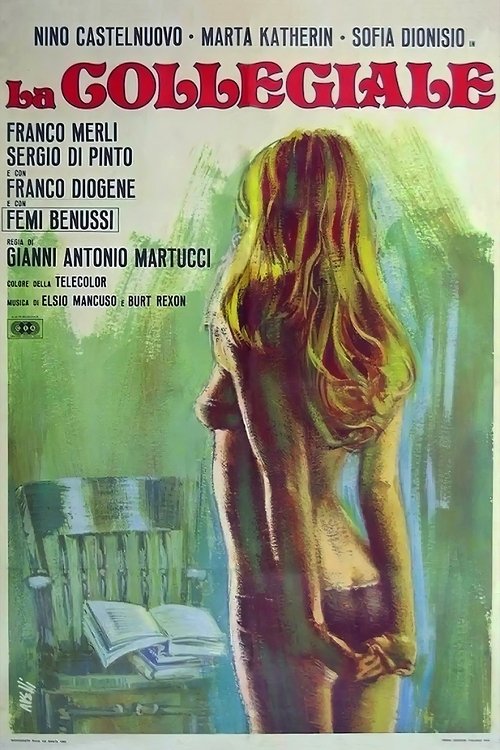
1975
1972
No reviews yet. Be the first to share your thoughts on this movie!
Use the rating form above to leave a star rating and optional review.