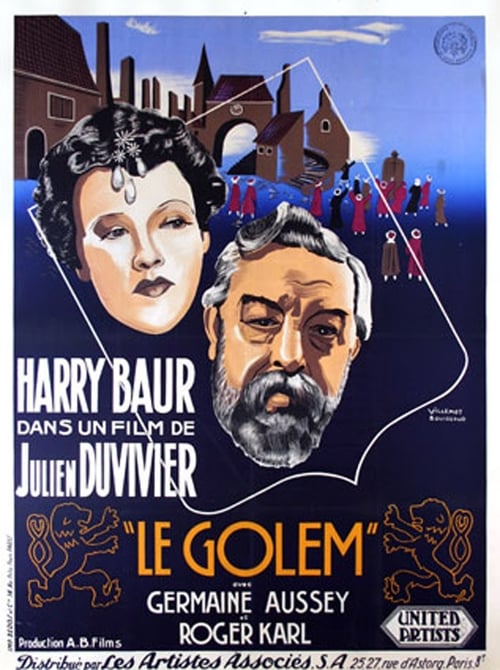
The Golem
1936
No user ratings available yet
Representation score: 4.2 out of 10

Representation Score
Limited
1915
Director
Paul Wegener, Henrik Galeen
Runtime
60 minutes
Average Rating
No ratings yetNew Showbiz Analysis
The film stands out for its ethnic representation, focusing on a Jewish narrative and showcasing a underrepresented group with supernatural ability to act against systemic oppression. This disrupts the era's typical cinematic norms. However, the work remains tied to traditional hierarchies. Gender roles are strict, with women often passive, and there is no depiction of LGBTQ+ identities or subtext. Ultimately, the film's strength lies in its cultural specificity, even as it upholds conventional gendered and straight-centered power structures.
Category Breakdown
The film does not depict any LGBTQ+ identities or subtext. The central conflict revolves around a traditional, tragic romance between the Golem and a married woman.
Male characters like the Rabbi and the Golem have significant roles, while female characters are mostly passive, serving as objects of desire or catalysts for tragedy.
The film centers a Jewish community in 16th-century Prague, breaking Anglo-centric norms. It highlights an ethnic minority fighting systemic persecution with supernatural powers.
Jewish spiritual practices and mystical traditions drive the plot. The narrative portrays the community's struggle against oppressive rulers as a form of resistance against institutional power.
There is no significant evidence regarding the portrayal of physical or neurodivergent disabilities in the available records.
Present on Screen
Limited or Absent
Official Synopsis
This mostly lost film is often confused with director Paul Wegener third and readily available interpretation of the legend; Der Golem, wie er in die Welt kam (1920). In this version of the golem legend, the golem, a clay statue brought to life by Rabbi Loew in 16th century Prague to save the Jews from the ongoing brutal persecution by the city's rulers, is found in the rubble of an old synagogue in the 20th century. Brought to life by an antique dealer, the golem is used as a menial servant. Eventually falling in love with the dealer's wife, it goes on a murderous rampage when its love for her goes unanswered.
1936
1920

1944
1922

2013
1932
1944
1928
No reviews yet. Be the first to share your thoughts on this movie!
Use the rating form above to leave a star rating and optional review.