The Student of Prague
1926
No user ratings available yet
Representation score: 3.4 out of 10
Representation Score
Limited
1935
Director
Arthur Robison
Runtime
87 minutes
Average Rating
No ratings yetNew Showbiz Analysis
The Student of Prague is a psychological horror film that prioritizes themes of identity and the fractured self through German Expressionism. Its narrative architecture focuses on individualistic existentialism and supernatural elements, limiting its engagement with diverse identities. While offering deep psychological exploration, it operates within traditional cinematic norms of the 1930s, lacking meaningful representation of underrepresented groups.
Category Breakdown
The film does not depict any non-straight relationships or identities. Romantic tension is limited to the protagonist's pursuit of a female lead within a traditional framework.
Female characters are primarily used as objects of desire or to advance the plot. The story emphasizes 1860s patriarchal structures, focusing on male ambition and psychological struggle.
The casting reflects the historical homogeneity of 19th-century Prague. The production maintains a conventional European aesthetic consistent with the era's social constraints.
The narrative explores moral relativism and the loss of the soul. However, it focuses on individualistic morality rather than critiquing Western institutions or systemic power.
The protagonist's psychological fragmentation is treated as a supernatural horror element. The film uses mental dissociation as a vehicle for dread rather than a nuanced portrayal of neurodivergence.
Present on Screen
Limited or Absent
Official Synopsis
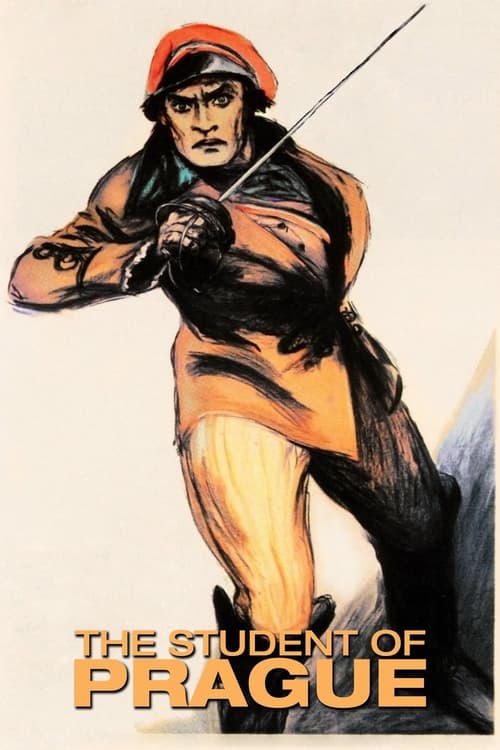
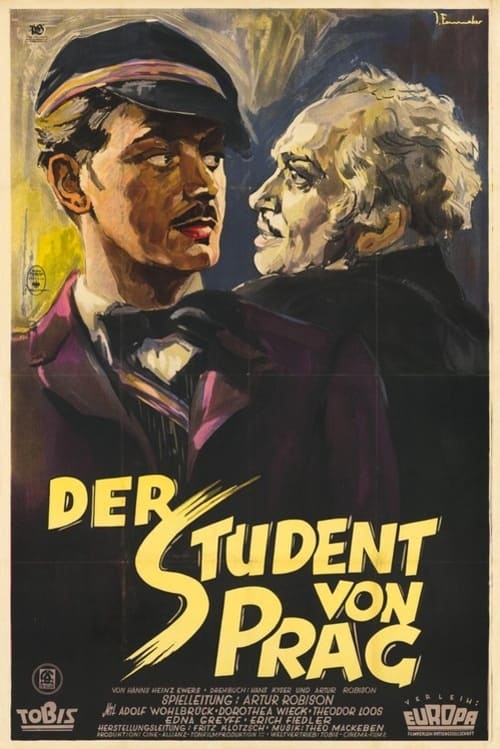
Prague in the 1860s: Balduin is a popular, handsome student, the best fencer in town, in amicable rivalry with his friend Dahl for the affections of Lydia, the innkeeper's niece. While the students are celebrating Lydia's birthday, the opera singer Julia Stella arrives at the inn - and Balduin's life begins to unravel. He is immediately infatuated with the glamorous singer - but she is already kept by an admirer, the wealthy and foppish Baron Waldis. How can a poor student hope to compete? The mysterious Dr. Carpis, who also has ties to Julia and is jealous of the Baron, intervenes. But the price will be higher than Balduin can ever imagine. He risks his sanity and his life - perhaps his very soul - haunted by his own reflection.
1926
1926

1923
1931

1917
1962
1920
1925
No reviews yet. Be the first to share your thoughts on this movie!
Use the rating form above to leave a star rating and optional review.