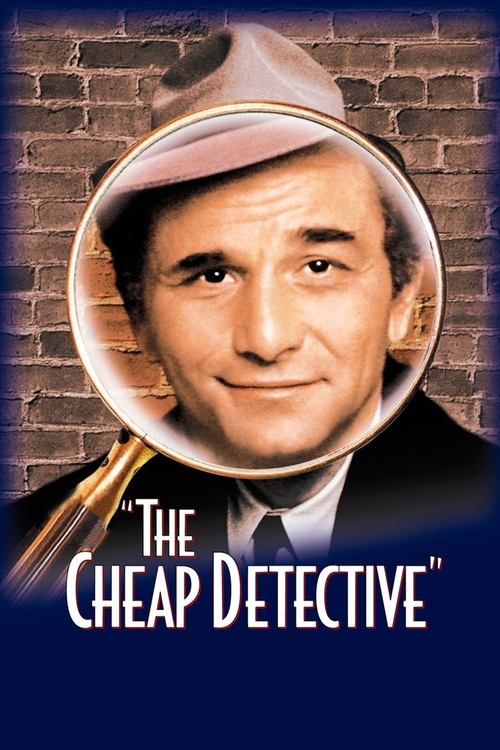
The Cheap Detective
1978
No user ratings available yet
Representation score: 0.8 out of 10
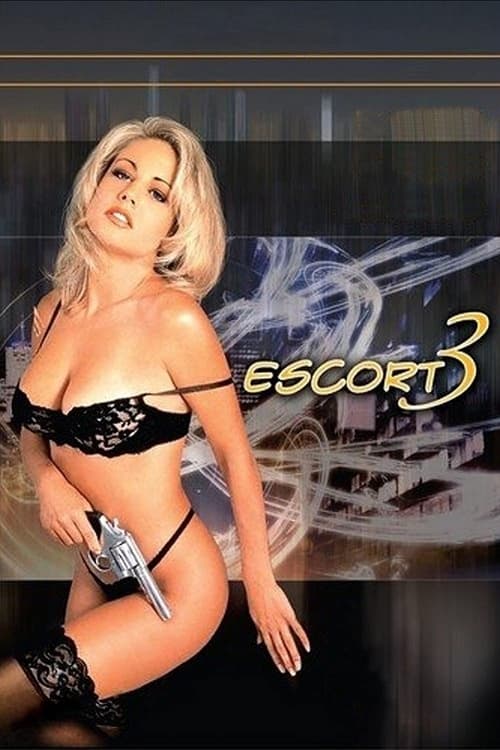
Representation Score
Minimal
1999
RDirector
Jim Wynorski
Runtime
90 minutes
Average Rating
No ratings yetNew Showbiz Analysis
The film functions as a traditional genre piece, emphasizing crime and mystery clichés over social critique. Its narrative structure relies on established archetypes rather than intentional storytelling that reflects multiple aspects of identity. Character roles follow traditional hierarchies, with male characters taking the lead in ability to act and investigation. The absence of visible diversity suggests adherence to late-90s mainstream norms. The work does not challenge social or cultural hierarchies, operating as a standard procedural.
Category Breakdown
The film does not include any LGBTQ+ characters and follows conventional heterosexual storylines typical of late-90s crime comedies.
The story focuses on male characters, including the detective and the main suspect. A woman plays a central role in the mystery but her portrayal adheres to traditional stereotypes.
There is no specific data regarding the racial or ethnic composition of the cast. The narrative likely follows the traditional casting norms typical of its era and genre.
The storyline adheres to standard law and order themes without addressing systemic oppression or critiquing Western institutions.
The available information provides no details regarding the inclusion of characters with visible or invisible disabilities.
Present on Screen
Limited or Absent
Official Synopsis
The veteran detective Grabovsky investigates the mysterious murder of a business beauty, Julie Clark. The main suspect becomes her colleague, the young architect Jim Corrigan.
1978
1983
1971
2011

1997
1944
1939
2023
No reviews yet. Be the first to share your thoughts on this movie!
Use the rating form above to leave a star rating and optional review.