Sleuth
1972
No user ratings available yet
Representation score: 1.4 out of 10
Representation Score
Limited
1967
NRDirector
Joseph L. Mankiewicz
Runtime
125 minutes
Average Rating
No ratings yetNew Showbiz Analysis
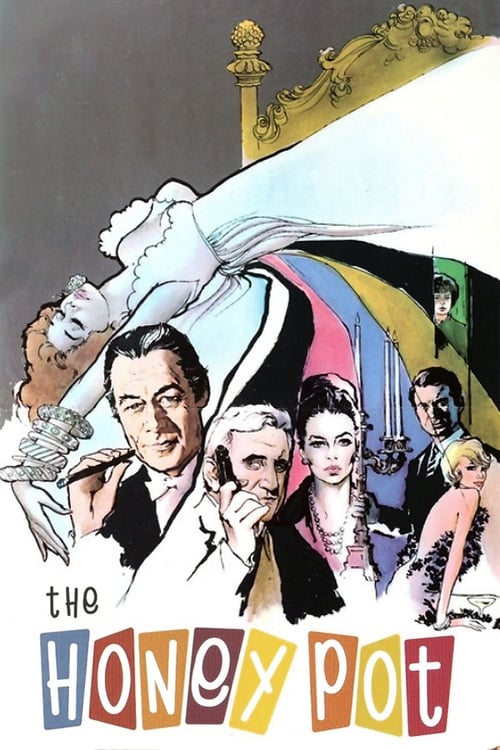
The Honey Pot is a traditional 1960s mystery-comedy that emphasizes genre conventions over demographic diversity. While it critiques greed and class through its central prank, it remains anchored in the social norms of its time. The film lacks representation for LGBTQ+ individuals and characters with disabilities. Its focus on a high-society Venetian setting suggests a conventional, likely white-centric cast.
Category Breakdown
The film does not include any LGBTQ+ characters or stories. The plot revolves around a millionaire and his three ex-girlfriends, emphasizing a traditional romantic structure.
The story focuses on three greedy ex-girlfriends who are targeted in a prank. Although gender is not explicitly stated, the narrative relies on traditional gender roles without challenging gender hierarchies.
Set in Venice, the film likely adheres to the 1960s casting standards of predominantly white actors. There is no indication of significant representation for non-white individuals.
The film offers a moderate critique of wealth and inheritance through a prank. It explores moral relativism and skepticism towards traditional social contracts.
No characters with disabilities are featured in the film. The plot uses a fake illness as a narrative device without delving into the experiences of those with disabilities.
Present on Screen
Limited or Absent
Official Synopsis
In Venice, a millionaire hires an actor to help him prank three greedy exes into thinking he's dying and leaving his fortune to one of them.
1972
1978

1983

1963
1977

1985

1954

1966
No reviews yet. Be the first to share your thoughts on this movie!
Use the rating form above to leave a star rating and optional review.