Find another title
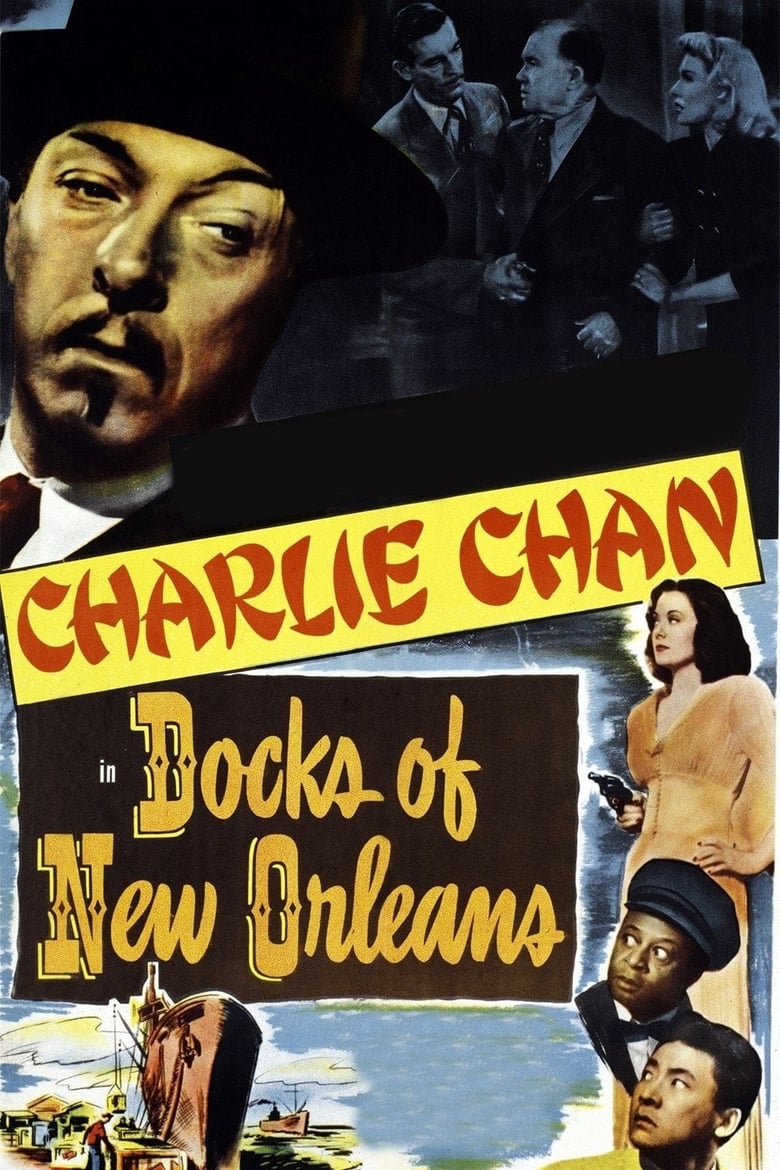
Docks of New Orleans
1948
NRDirector
Derwin Abrahams
Runtime
64 minutes
Average Rating
No ratings yetSynopsis
Detective Charlie Chan springs into action when top officials of a New Orleans chemical company begin dropping like flies.
Where to Watch
Diversity & Representation
Overall Score
Limited
Category Breakdown
LGBTQ+ Representation
The film lacks any evidence of non-cisnormative gender identities or same-sex intimacy. It adheres to the heteronormative social structures typical of 1948 crime cinema.
Gender Representation
The story centers on Detective Charlie Chan, focusing on traditional investigative agency. Female characters appear relegated to passive or domestic roles without subverting established gender hierarchies.
Racial & Ethnic Diversity
The lead character provides visibility for a person of color within the mystery genre. However, the film relies on established racial archetypes rather than a diverse ensemble.
Religious & Cultural Diversity
The narrative reinforces institutional authority and Western frameworks of law and order. It focuses on corporate stability and individual culpability rather than systemic critique.
Disability Representation
There are no identifiable characters portrayed with visible or invisible disabilities. Disability is not utilized as a narrative device in this production.
Strengths
- The inclusion of a prominent character of color in the lead role provides a baseline of racial visibility for 1948.
Areas for Improvement
- The film lacks intersectional agency and fails to challenge the period's prevailing racial archetypes.
- Gender roles remain traditional, with female characters lacking significant agency or professional depth.
- The narrative reinforces institutional authority rather than offering a critique of systemic or capitalist structures.
AI Analysis
Docks of New Orleans serves as a standard genre piece of the late 1940s. While the presence of Charlie Chan offers a degree of racial agency for the era, the film remains tethered to the conventional social hierarchies of the post-war studio system. The narrative lacks intersectional depth or any attempt to critique the institutional structures it depicts. It functions primarily as a traditional mystery, prioritizing professional competence and law enforcement over progressive representation. Ultimately, the film provides a baseline of visibility through its protagonist but fails to offer the complexity or systemic subversion required for a higher diversity score.
Rate this Movie
Reviews
No reviews yet. Be the first to share your thoughts on this movie!
Use the rating form above to leave a star rating and optional review.