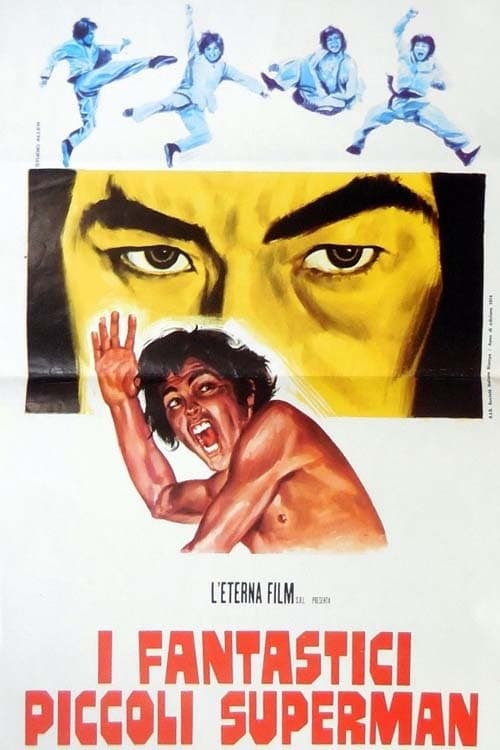
Little Superman
1975
No user ratings available yet
Representation score: 4.1 out of 10
Representation Score
Limited
1974
RDirector
Wu Fei-Chie
Runtime
90 minutes
Average Rating
No ratings yetNew Showbiz Analysis
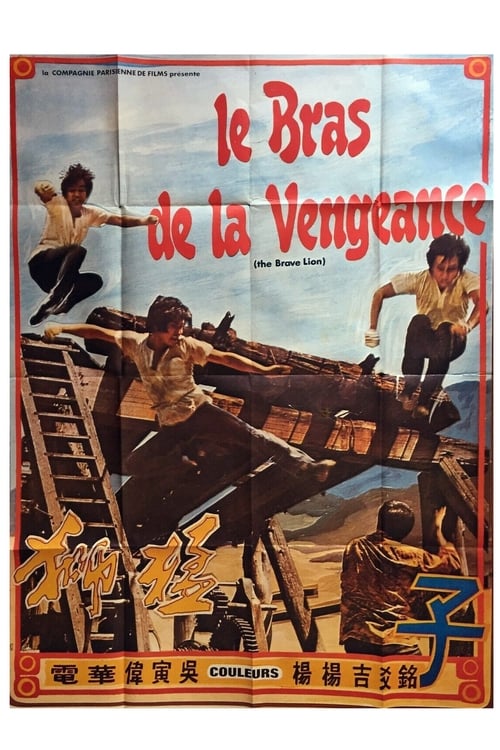
The Brave Lion is a period action drama that delves into historical conflict rather than modern characters who reflect more than one aspect of diversity. It avoids the standard heroic soldier cliché by centering on morally complex, disgraced protagonists facing systemic failure. While the film lacks LGBTQ+ and disability representation, it provides a platform for exploring racial and ethnic tensions. The central conflict relies on the ability to act of Chinese laborers rising against their Japanese occupiers. Ultimately, the film's value lies in its exploration of moral ambiguity and the struggle against colonial imposition, even as it remains rooted in traditional wartime clichés.
Category Breakdown
The film does not include any LGBTQ+ characters or narratives related to non-assuming gender matches what was assigned at birth identities. It focuses on military and geopolitical tensions within a traditional framework.
The story centers on male protagonists and military hierarchy. Female characters do not have significant roles or subvert traditional gendered power dynamics.
The narrative explores the friction between Japanese soldiers and Chinese laborers. It highlights the ability to act of the Chinese resistance during the occupation.
The film offers moral complexity by focusing on disgraced soldiers rather than monolithic heroes. It examines the friction between occupying forces and the occupied population.
There is no mention of characters with visible or invisible disabilities. The film does not address neurodivergence or physical impairments.
Present on Screen
Limited or Absent
Official Synopsis
During Japan's invasion of China in World War II, two disgraced Japanese soldiers are given a second chance. Facing execution for various infractions, the two men are offered a reprieve if they take a special assignment. Since they can speak Chinese and know the territory, the men are assigned to the task of running a Chinese labor camp the Japanese operate in occupied territory. After the men take over, they work the prisoner's so hard the labor force rises up in revolt of their treatment.
1975
1959
1991
2001
1973
1949
1973

1967
No reviews yet. Be the first to share your thoughts on this movie!
Use the rating form above to leave a star rating and optional review.