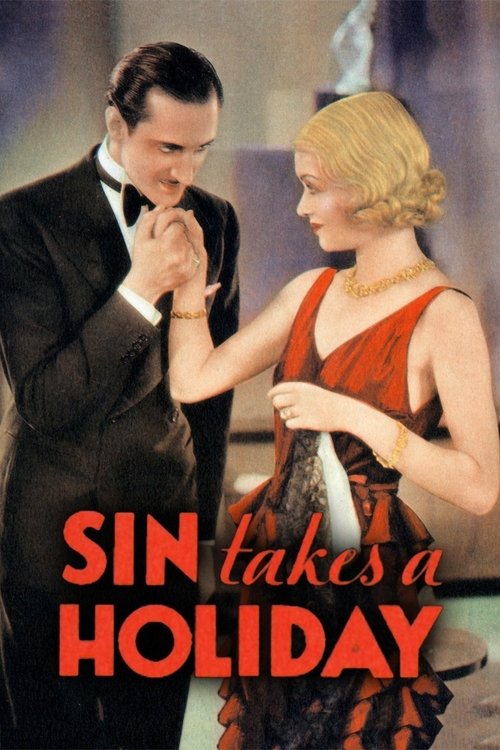
Sin Takes a Holiday
1930
No user ratings available yet
Representation score: 2.0 out of 10
Representation Score
Minimal
1930
NRDirector
Harry d'Abbadie d'Arrast
Runtime
85 minutes
Average Rating
No ratings yetNew Showbiz Analysis
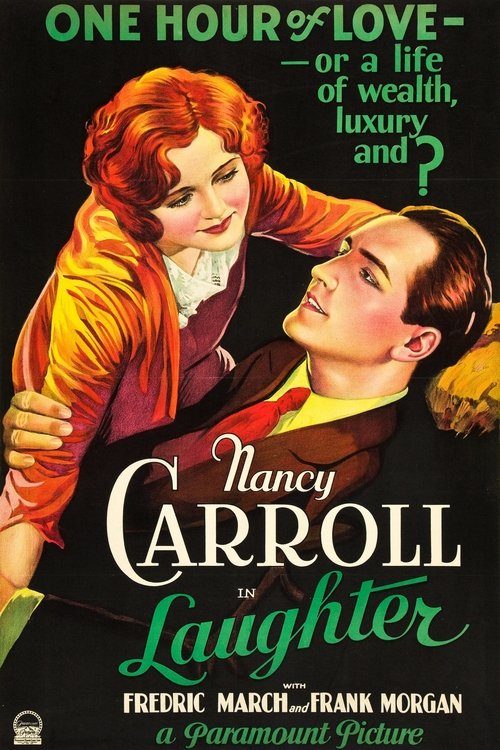
Laughter is a period-specific artifact that preserves social norms through sophisticated comedy. It focuses on the linguistic skills and romantic entanglements of the upper class rather than social disruption. The film provides a glimpse into individual ability to act within a marriage but remains confined to a narrow, aristocratic framework. This lack of complexity in diversity results in a low diversity profile. Ultimately, the narrative reinforces the socioeconomic hierarchies of its era, offering a polished look at class-based romantic comedy without addressing broader systemic diversity.
Category Breakdown
The film does not include any LGBTQ+ characters or themes related to non-straight identities. Romantic conflicts are centered around heterosexual relationships involving the protagonist and her male suitors.
Peggy takes control by making complex romantic decisions and expressing dissatisfaction with her marriage. However, the power dynamics remain tied to traditional social expectations and there is limited challenge to patriarchal structures.
The cast and setting reflect a homogeneous, Eurocentric social environment. There is no indication of racial blending or non-white representation within the main storyline.
The film highlights the lifestyle of Western high society and the privileges of the upper class. It centers on romantic fulfillment and social etiquette without engaging in systemic critique or moral relativism.
There are no visible or invisible disabilities shown among the central characters or the supporting cast. Disability is not used as a plot device.
Present on Screen
Limited or Absent
Official Synopsis
Zeigfeld Follies beauty Peggy marries an older man, C. Morton Gibson. Although she soon grows tired of their sedate life, she refuses the attentions of her longtime friend, the volatile sculptor Ralph Le Saint. When pianist Paul Lockridge arrives from Paris, he begs Peggy to run away with him to France, where they can share adventure and a full life -- but complications arise for Peggy when Gibson's attractive daughter visits.
1930
1934

1930

1938

1930

1937

1935

1933
No reviews yet. Be the first to share your thoughts on this movie!
Use the rating form above to leave a star rating and optional review.