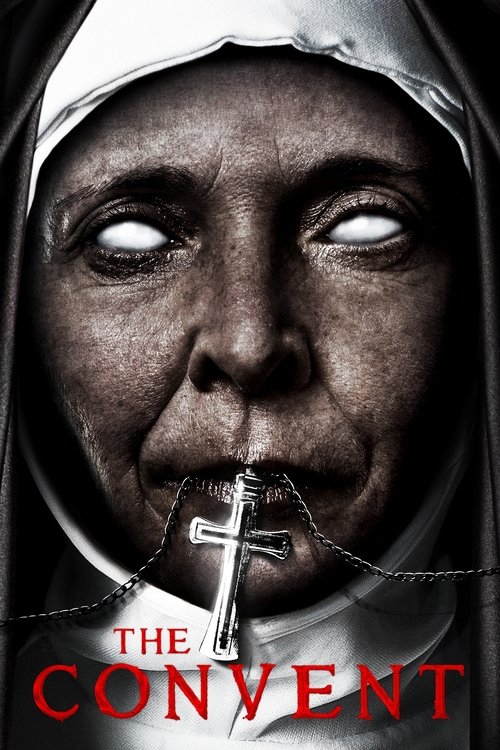
The Convent
2018
No user ratings available yet
Representation score: 1.2 out of 10
Representation Score
Fair
2018
UnratedDirector
Aislinn Clarke
Runtime
76 minutes
Average Rating
No ratings yetNew Showbiz Analysis
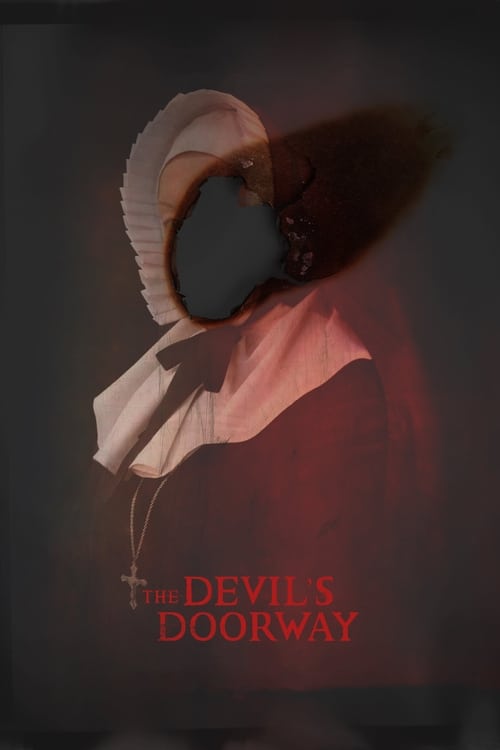
The Devil's Doorway is a thematic horror film that focuses on institutional critique rather than broad demographic representation. While it lacks LGBTQ+ and racial diversity due to its specific historical setting, it excels in challenging traditional power structures. The film's strength lies in its deconstruction of patriarchal and religious hegemony. It uses the horror genre to expose the trauma inflicted by systemic misconduct and the corruption of religious sanctity. However, the narrow focus on a homogeneous, rural Irish population limits its representation of broader human identities. The film prioritizes historical accuracy and thematic intensity over inclusive casting.
Category Breakdown
The film does not include any LGBTQ+ characters or narratives. The 1960s Irish setting is marked by strict religious codes that exclude non-straight relationships.
The narrative centers on the experiences of women within a restrictive system. Although men hold institutional power, the film highlights the systematic stripping of women's roles and influence.
The cast is ethnically uniform, reflecting the rural Irish setting of the time. The story focuses on a localized, white demographic without incorporating diverse ethnic representation.
The film provides a critical look at the Catholic Church, depicting it as a corrupt and oppressive force. It examines how religious authority functions as a mechanism of social control.
The film explores psychological trauma as a manifestation of systemic abuse. These invisible disabilities contribute to the atmospheric dread rather than serving as central character identities.
Present on Screen
Limited or Absent
Official Synopsis
In the autumn of 1960, Father Thomas Riley and Father John Thornton were sent by the Vatican to investigate a miraculous event in an Irish home for 'fallen women', only to uncover something much more horrific.
2018
1961
2018
2015
2023
2016
2021
2013
No reviews yet. Be the first to share your thoughts on this movie!
Use the rating form above to leave a star rating and optional review.