Monsieur René Magritte
1978
No user ratings available yet
Diversity score: 3.9 out of 10
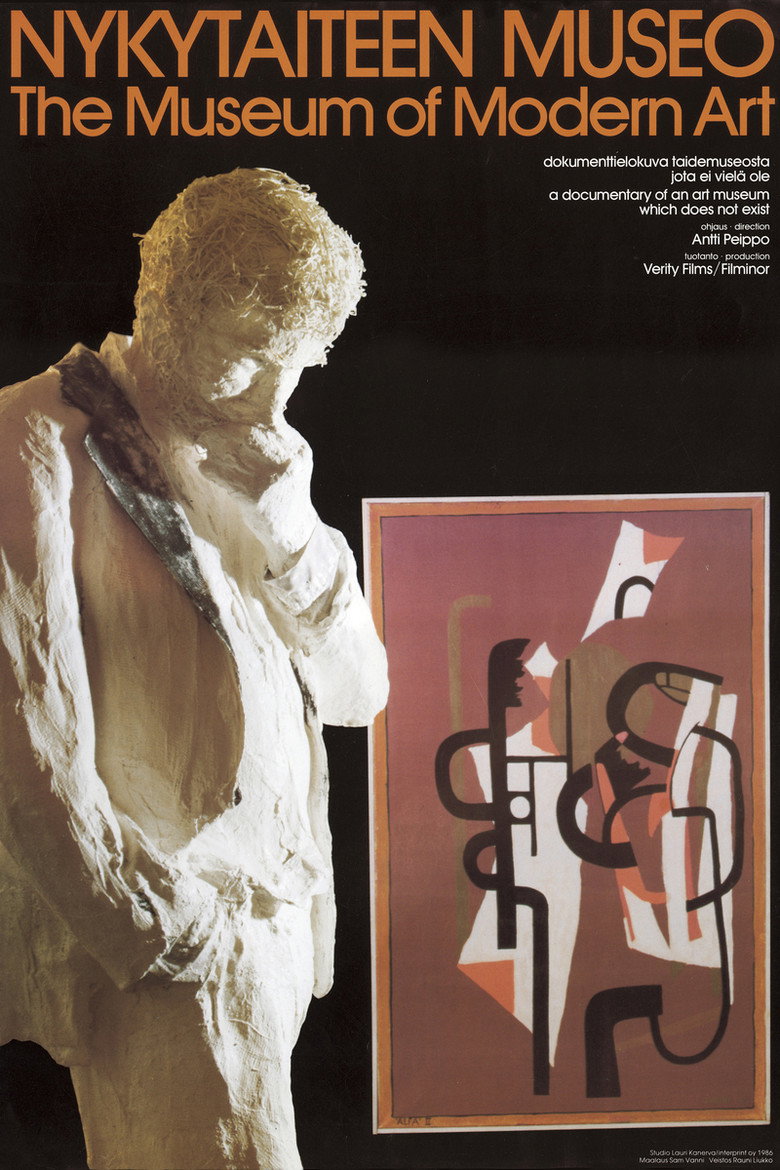
1986
SDirector
Antti Peippo
Runtime
63 minutes
Average Rating
No ratings yetSynopsis
Documentary film about Finnish museum of modern art which doesn't exist at the time of filming.
Overall Score
Fair
Category Breakdown
LGBTQ+ Representation
The film lacks explicit identity-driven storytelling or specific character narratives. It maintains a neutral baseline typical of 1980s avant-garde works that prioritize non-normative aesthetics over clear LGBTQ+ representation.
Gender Representation
The focus on modern art suggests a potential subversion of patriarchal hierarchies. However, the film lacks specific scene-level data regarding gendered interactions or character agency.
Racial & Ethnic Diversity
The production reflects the demographic homogeneity of 1986 Finland. There is no evidence of intentional racial blending or diverse casting within the documentary.
Religious & Cultural Diversity
The film offers a progressive critique of Western institutionalism by centering a non-existent museum. This approach prioritizes subjective experience and conceptual fluidity over traditional, official history.
Disability Representation
There is no information regarding the portrayal of physical disabilities or neurodivergence in the film's credits or synopsis.
Strengths
Areas for Improvement
AI Analysis
Antti Peippo’s documentary is a conceptual exploration that uses a fictional museum to critique the authority of cultural institutions. It functions as a postmodern critique of how art is curated and preserved, favoring subjectivity over static truth. While the film succeeds in disrupting traditional cultural hierarchies, it lacks demographic breadth. The narrative architecture is intellectually disruptive, yet the film remains limited by the demographic realities of its 1986 Finnish production context. Ultimately, the work is more an exercise in institutional deconstruction than a study of diverse human identities. It trades explicit representation for a conceptual challenge to the sanctity of the museum.
1978
1970
1985

1949
1994
1986
1970
2003
2005
1971
1974
2020
No reviews yet. Be the first to share your thoughts on this movie!
Use the rating form above to leave a star rating and optional review.