
The Best of Everything
1959
No user ratings available yet
Diversity score: 2.7 out of 10
1954
GDirector
Jean Negulesco
Runtime
102 minutes
Average Rating
No ratings yetSynopsis
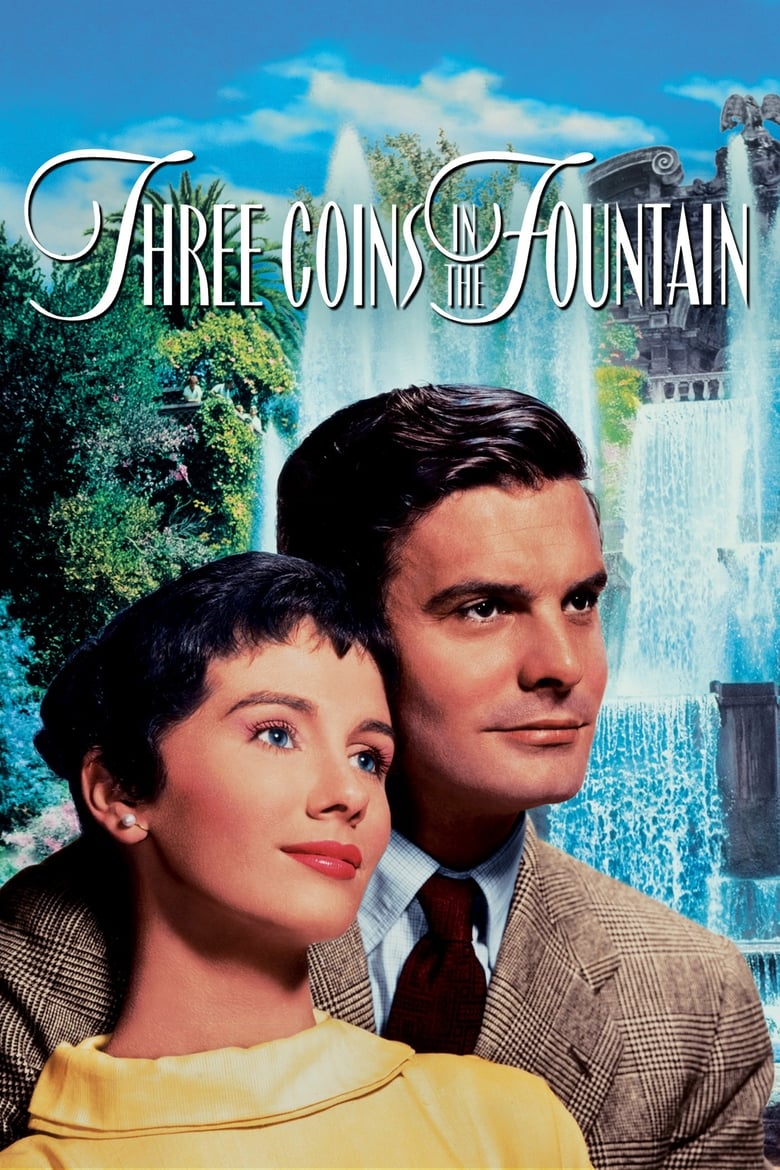
Three American roommates working in Italy wish for the man of their dreams after throwing coins into Rome's magnificent Trevi Fountain. Frances, a secretary at a government agency, sets out to win the heart of her smooth-talking novelist employer; Anita, her coworker, defies office regulations by romancing an Italian who works at the agency; and office newcomer Maria meets a real Italian Prince Charming and falls madly in love. The only thing the three hopeful ladies need to do is seal their fate.
Overall Score
Limited
Category Breakdown
LGBTQ+ Representation
The film adheres strictly to 1950s heteronormative conventions. There is no evidence of queer subtext or non-cisnormative identities, as the emotional stakes rely entirely on traditional heterosexual courtship.
Gender Representation
Female protagonists drive their own romantic trajectories and demonstrate agency by defying social or professional expectations. However, the narrative remains centered on securing male companionship, maintaining traditional romantic hierarchies.
Racial & Ethnic Diversity
The story uses an intercultural framework through American expatriates interacting with Italian nationals. This cross-cultural romance disrupts the homogeneity of the protagonists' backgrounds, though the cast lacks non-white majority representation.
Religious & Cultural Diversity
Rome serves as a romanticized backdrop for Western romantic idealism. The film lacks critique of Western institutions, instead reinforcing traditional courtship structures and a stable social order.
Disability Representation
The film does not feature characters with visible or invisible disabilities. It does not engage with neurodivergence or chronic illness within its narrative fabric.
Strengths
Areas for Improvement
AI Analysis
Three Coins in the Fountain is a mid-century romantic melodrama that prioritizes traditional idealism over intersectional exploration. While the female leads exercise personal agency in their pursuit of love, the film's structure is bound by the social and moral hierarchies of the 1950s. The narrative finds its strength in intercultural dynamics, using the Roman setting to facilitate connections between American characters and Italian locals. This provides a layer of social complexity beyond a singular Western perspective. Ultimately, the film lacks representation for LGBTQ+ identities and disabilities. It functions as a celebration of conventional happiness rather than a deconstruction of systemic power or diverse lived experiences.
1959
1962
1962

1953
1926

1941
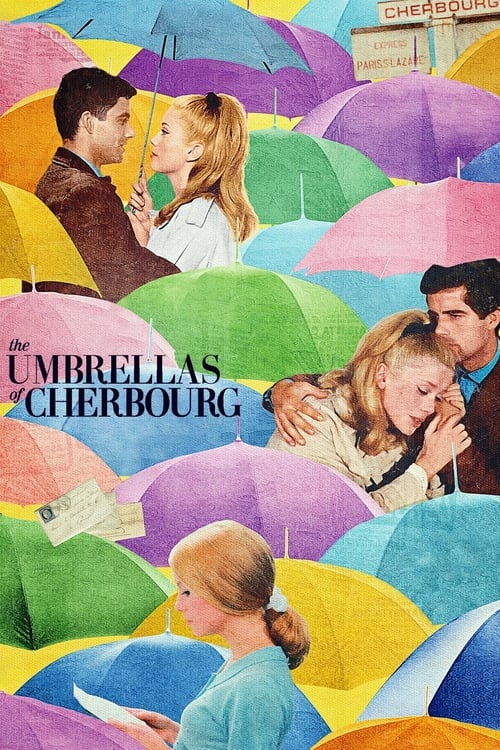
1964
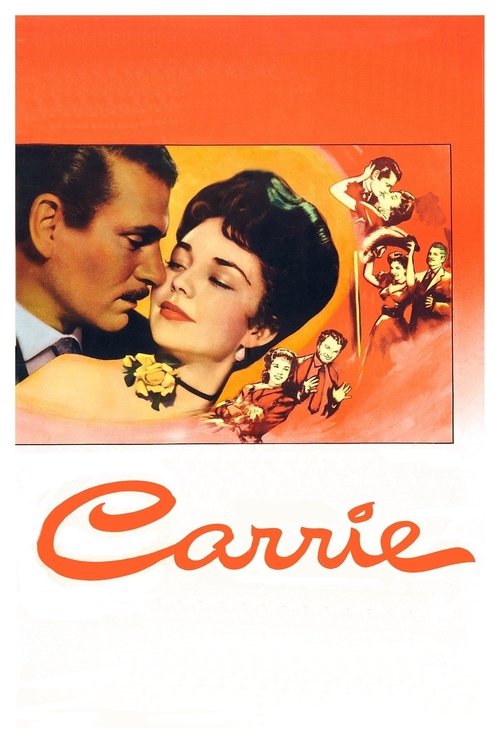
1952
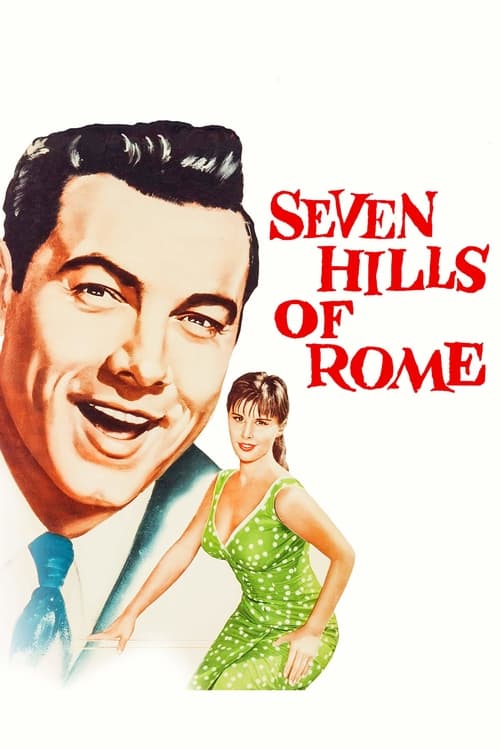
1957
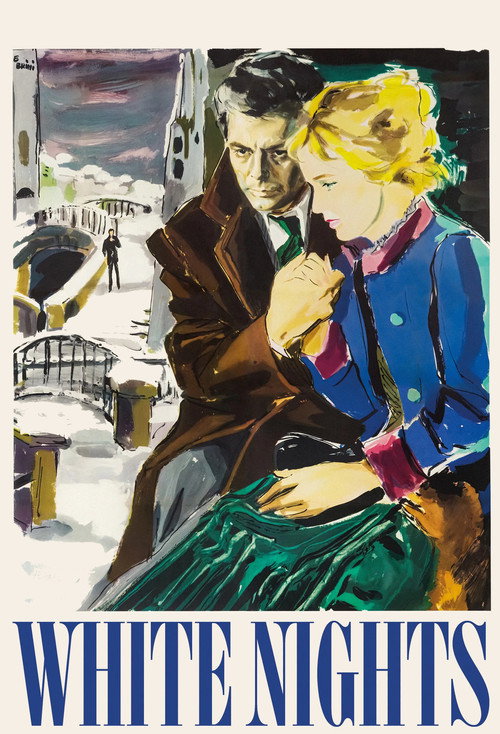
1957
1947

1961
No reviews yet. Be the first to share your thoughts on this movie!
Use the rating form above to leave a star rating and optional review.