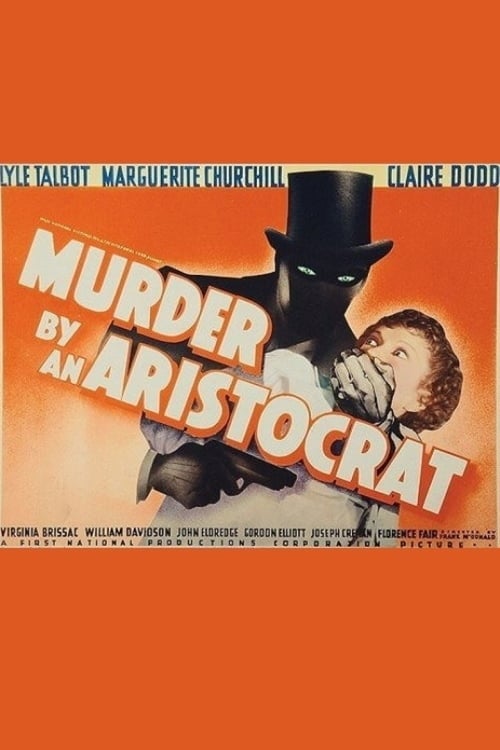
Murder by an Aristocrat
1936
No user ratings available yet
Diversity score: 2.9 out of 10
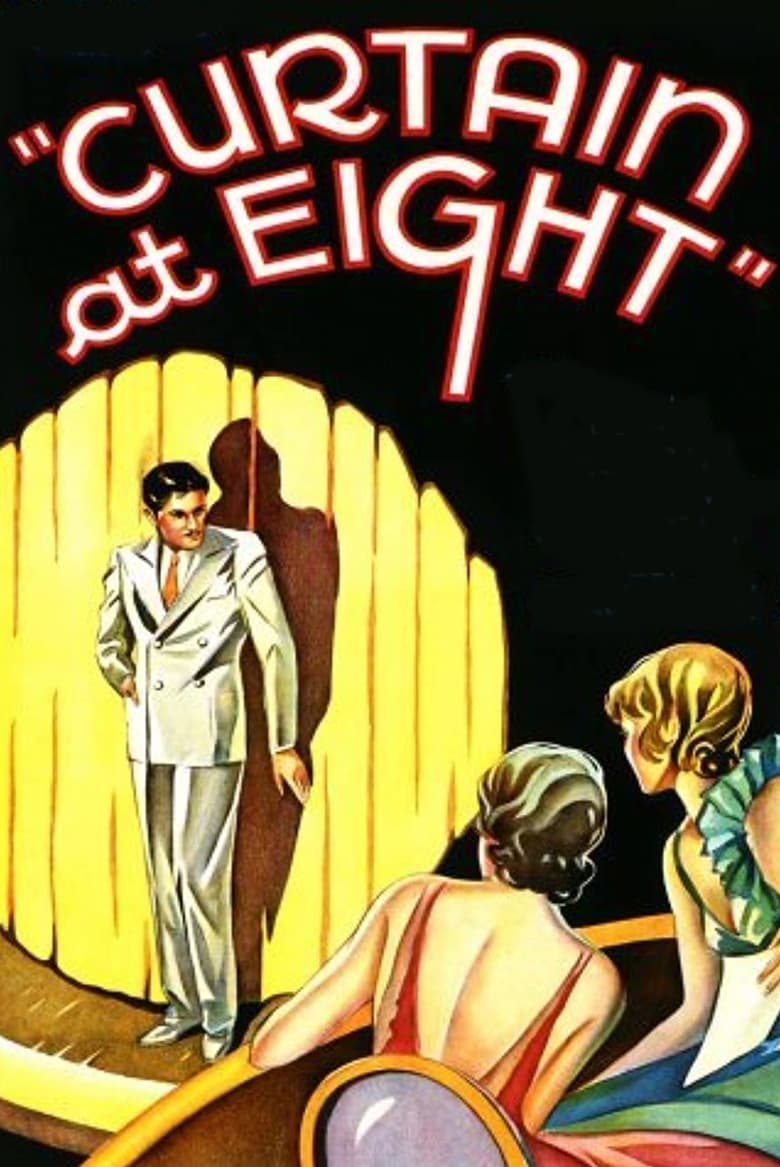
1933
NRDirector
E. Mason Hopper
Runtime
68 minutes
Average Rating
No ratings yetSynopsis
An elderly detective sets out to find who murdered a lecherous stage actor. His estranged wife? His would-be fiancee? Her father? Her boyfriend? A suicided actress's sister? The temperamental prop man? Or maybe the show's talented female chimpanzee?
Overall Score
Limited
Category Breakdown
LGBTQ+ Representation
The mystery follows conventional romantic entanglements involving fiancées and boyfriends. There is no evidence of non-cisnormative identities or critiques of heteronormativity.
Gender Representation
Female characters like the estranged wife and the actress's sister serve as central suspects. However, their roles are largely defined by their relationships to the men in the plot.
Racial & Ethnic Diversity
The narrative lacks any indication of a diverse cast or non-Anglo-Saxon characters. It appears to reflect the homogeneous casting standards typical of 1933.
Religious & Cultural Diversity
The film operates within a traditional framework of social order and justice. It focuses on interpersonal drama rather than critiques of Western institutions or religion.
Disability Representation
The available information provides no details regarding the depiction of physical or neurodivergent disabilities.
Strengths
Areas for Improvement
AI Analysis
Curtain at Eight is a period-typical mystery that adheres strictly to the genre conventions of the early 1930s. The narrative prioritizes traditional suspense and interpersonal motives over any meaningful social or demographic disruption. While women are central to the plot as suspects, they remain tethered to male characters through their roles. The film lacks visible intersectional representation, focusing instead on a Western-centric ensemble and standard heteronormative frameworks. Ultimately, the work functions as a functional studio production that reinforces the social hierarchies and casting norms of its era rather than challenging them.
1936

1935
1923
1937
1935

1945

1934

1938
1929
1934
1952
1934
No reviews yet. Be the first to share your thoughts on this movie!
Use the rating form above to leave a star rating and optional review.