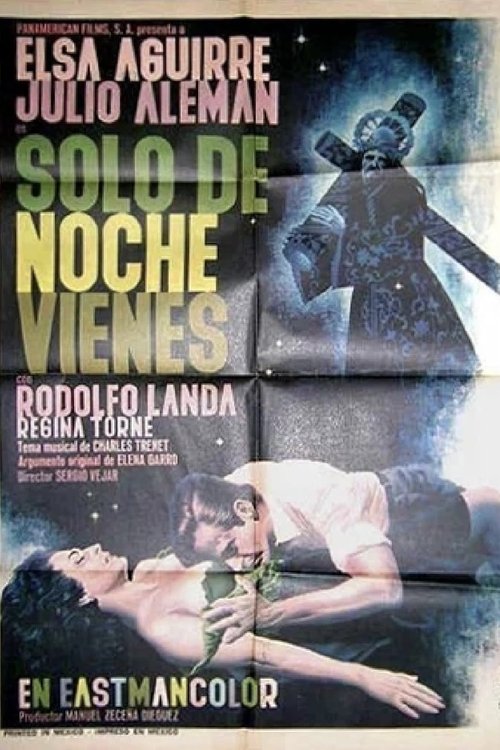
You Only Come at Night
1966
No user ratings available yet
Representation score: 3.3 out of 10
Representation Score
Limited
1954
Director
Miguel Morayta
Runtime
96 minutes
Average Rating
No ratings yetNew Showbiz Analysis
The film is a classic mid-century melodrama that prioritizes romantic conflict and interpersonal deception over social critique. The narrative relies heavily on established clichés, such as the misunderstood lovers and the jealous antagonist, to drive the plot forward. While the story introduces physical vulnerability through Gabriela's paralysis, it functions primarily as a device to facilitate separation. The conflict remains centered on individual moral failings and romantic competition rather than any exploration of broader social issues or diverse identity perspectives. Ultimately, the production adheres to the structural conventions of its era, focusing on domestic stability and traditional social hierarchies.
Category Breakdown
The film follows a strictly heterosexual romantic structure. There are no non-binary or LGBTQ+ identities, and there is no critique of the assumption that everyone is straight or cisgender.
Female characters drive the emotional conflict through romantic competition. However, they rely on traditional gender clichés like the lovestruck heroine and the jealous antagonist.
Set in San Ignacio, the film likely reflects local demographics. However, the narrative lacks explicit evidence of diverse representation or multi-layered blending.
The plot focuses on individual morality and domestic stability. It reinforces traditional dramatic structures rather than challenging established cultural or religious norms.
Gabriela’s temporary paralysis acts as a plot catalyst for character separation. This risks using disability as a tool for emotional manipulation rather than exploring the character's ability to act independently.
Present on Screen
Limited or Absent
Official Synopsis
Upon her arrival to the village San Ignacio, Gabriela meets Raúl, owner of a residence that her grandfather administrates. He doesn't reveal his real identity and they fall madly in love. Tania, Raúl's sister-in-law, secretly loves him and she decides to separate them by simulating a car accident from which Gabriela temporarily becomes paralized. Aware that they will marry, Tania makes the girl believe that Raúl is marrying her out of compassion, causing Gabriela to disappear from the residence...
1966

1954
1955
1953
1953
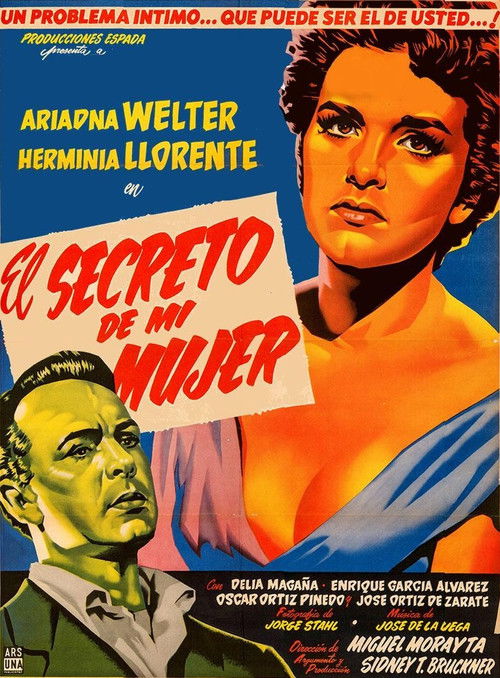
1955
1951
1980
No reviews yet. Be the first to share your thoughts on this movie!
Use the rating form above to leave a star rating and optional review.