I Am Not Alone
2019
No user ratings available yet
Representation score: 5.8 out of 10
Representation Score
Fair
2014
Director
Vlad Petri
Runtime
80 minutes
Average Rating
No ratings yetNew Showbiz Analysis
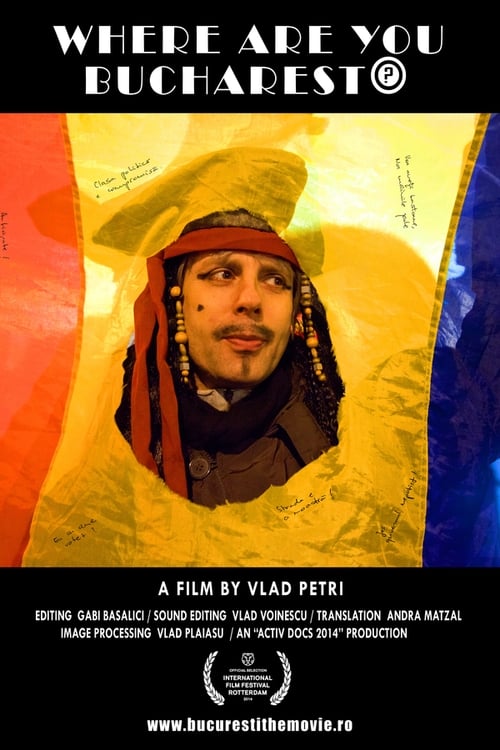
The film serves as a sociological study of civic engagement in post-communist Romania. It excels at cultural critique by documenting the friction between individuals and state authority, offering a narrative of resistance against centralized power. However, the documentary lacks explicit markers of identity-based representation. There is a notable absence of visible LGBTQ+ narratives or specific disability-focused storylines, which limits its breadth of social inclusion. Ultimately, the work prioritizes the deconstruction of political power dynamics over the representation of specific underrepresented identities, resulting in a moderate overall diversity profile.
Category Breakdown
The film focuses on civic engagement and political protest. There is no explicit mention of LGBTQ+ characters or stories about non-straight relationships.
The narrative centers on a diverse group of citizens, including a retired police officer and a dog trainer. However, the specific gender breakdown of these subjects is not confirmed.
The documentary reflects the local demographic of Bucharest. It explores identities shaped by historical and systemic shifts rather than traditional Anglo-centric racial dynamics.
The film engages deeply with themes that challenge Western institutional stability. It documents the struggle against political structures and the reclamation of public space.
There is no evidence regarding the portrayal of physical or neurodivergent disabilities within the film's narrative.
Present on Screen
Limited or Absent
Official Synopsis
What does a retired police officer, a dog trainer, the founder of a political party and anti-government protesters have in common? They've all met on the streets of Bucharest, 23 years after the Romanian Revolution, determined to reclaim the public space. Vlad Petri is following their stories for one year, from the first days of the anti-government protests to the final days of the Referendum against the President. The film raises questions about the role of the public space, the power of the individual and the understanding of democracy in a society caught between a communist past and an uncertain future.
2019
2013

2014
2017
2015
2019
2012
2016
No reviews yet. Be the first to share your thoughts on this movie!
Use the rating form above to leave a star rating and optional review.