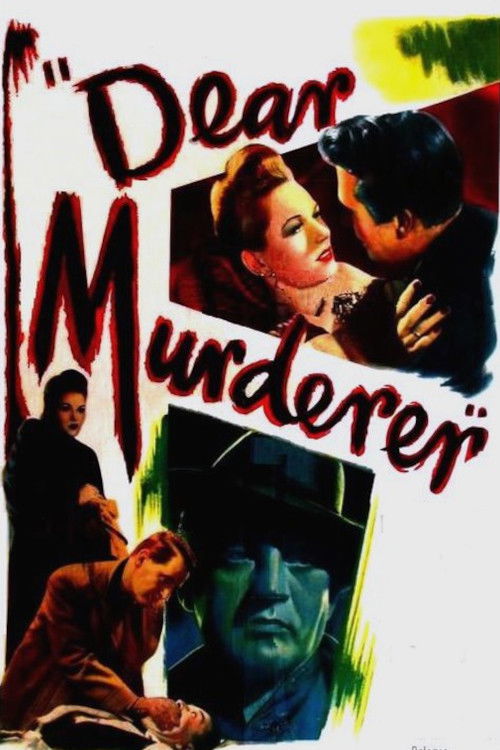
Dear Murderer
1947
No user ratings available yet
Representation score: 0.4 out of 10

Representation Score
Minimal
1940
Director
Herbert Mason
Runtime
77 minutes
Average Rating
No ratings yetNew Showbiz Analysis
A Window in London is a conventional period thriller that adheres strictly to the social and gender hierarchies of 1940. The narrative engine is fueled by traditional clichés, specifically centering male jealousy and domestic suspense. The film lacks diverse representation, focusing instead on a Western, Anglo-centric social structure. It prioritizes individual psychological drama over any systemic critique or diverse character perspectives. Ultimately, the work functions as a standard genre piece of its era, reinforcing established norms rather than challenging them through diverse storytelling.
Category Breakdown
The film focuses on a traditional heterosexual marriage and does not include any non-binary or LGBTQ+ identities or critiques of the assumption that everyone is straight or cisgender.
The plot revolves around a gender hierarchy where the husband's volatile behavior drives the tension. The wife's role is defined by her relationship to her husband and the resulting violence.
The film reflects the homogeneous casting standards of the 1940s British film industry. It lacks diverse casting and representation of different racial backgrounds.
The story explores domestic dysfunction through individual psychological issues within a traditional moral framework. It does not critique broader social institutions or cultural norms.
There is no information available regarding the portrayal of physical or neurodivergent disabilities in this production.
Present on Screen
Limited or Absent
Official Synopsis
A man witnesses a murder that isn't a murder, only to get involved with the magician and his wife who created the illusion. The insanely jealous magician husband eventually kills his wife, making for complications in life of unhappily married man who is now involved more than he ever thought he would be.
1947
1940

1945
1950

1941
1944
1945
1944
No reviews yet. Be the first to share your thoughts on this movie!
Use the rating form above to leave a star rating and optional review.