
The Olympic Games in Paris 1924
1925
No user ratings available yet
Representation score: 0.6 out of 10
Representation Score
Minimal
1928
Not RatedDirector
Arnold Fanck, Othmar Gurtner
Runtime
124 minutes
Average Rating
No ratings yetNew Showbiz Analysis
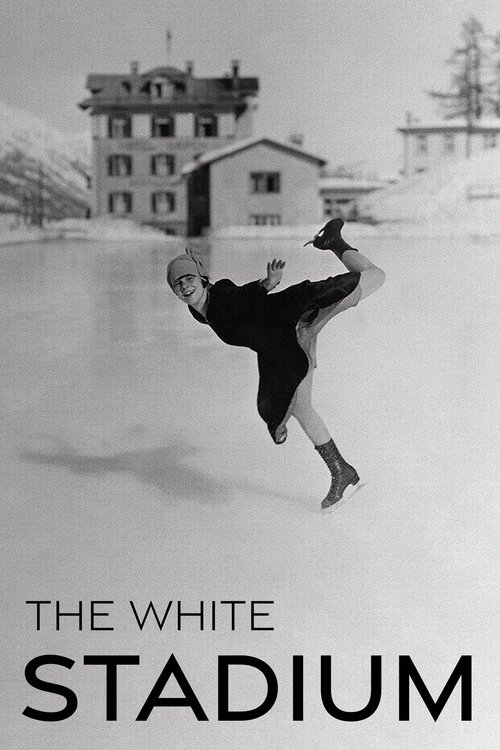
White Stadium serves as a historical archive of the 1928 Olympic Games in St. Moritz. As a non-narrative documentary, it prioritizes the topographical spectacle and athletic achievement over character-driven social commentary. Since the film captures a specific period of Western sporting history, it reflects the demographic homogeneity and traditionalist aesthetics of the time. The focus remains on the idealized athletic body and the majestic mountain landscape. Ultimately, the film functions as an observational record of early 20th-century athletic culture. It lacks the intentionality needed to represent underrepresented identities or challenge the social hierarchies of the era.
Category Breakdown
There are no LGBTQ narratives or non-cisgender identities present in the film, which focuses solely on international athletic competition.
The documentary emphasizes traditional masculine ideals of physical endurance. Female athletes have less visible influence compared to their male counterparts, reflecting the social constraints of the era.
The cast of athletes is predominantly Eurocentric and homogeneous. The film captures a specific moment in Western sporting history without challenging demographic norms.
This work highlights Western institutional excellence and national pride. It upholds the prestige of established international sporting institutions rather than presenting alternative frameworks.
The film centers on peak physical performance and does not include any representation of neurodivergence or physical disability.
Present on Screen
Limited or Absent
Official Synopsis
A profile of the 1928 Olympic Games in St. Moritz, Switzerland.
1925

1938
1928

1935
1924

1948

1928

1952
No reviews yet. Be the first to share your thoughts on this movie!
Use the rating form above to leave a star rating and optional review.