Find another title
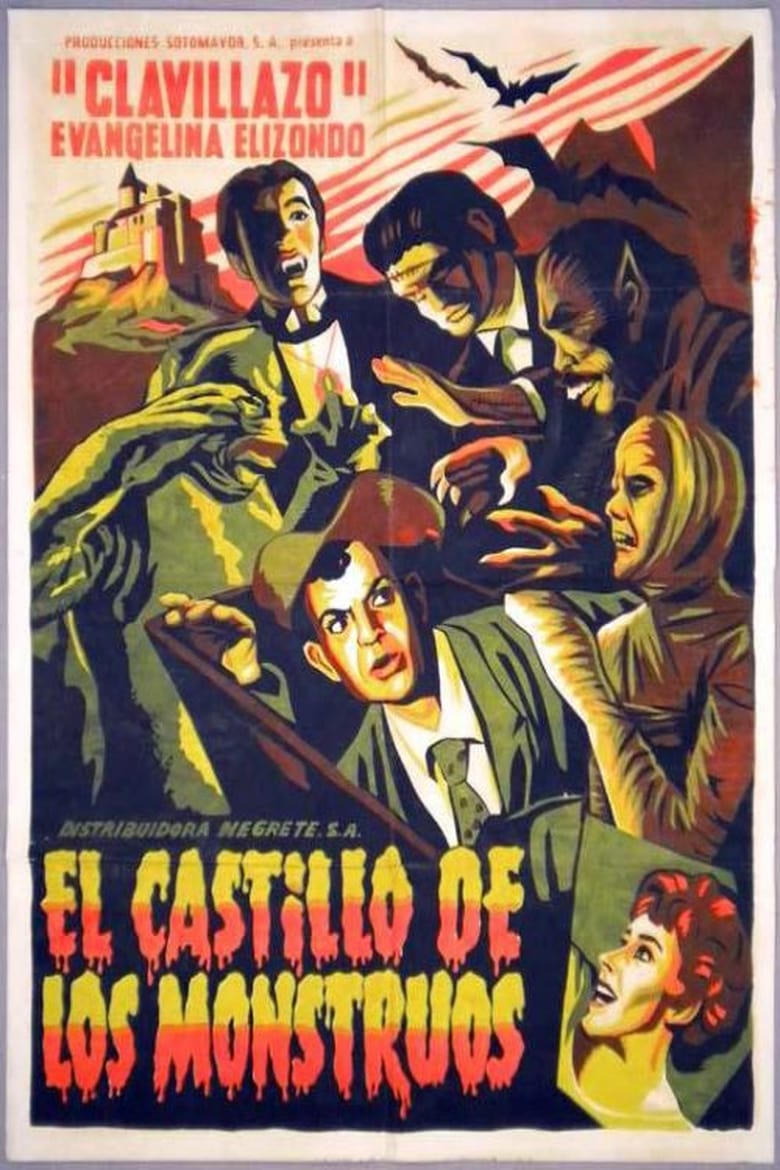
Castle of the Monsters
1958
Director
Julián Soler
Runtime
90 minutes
Average Rating
No ratings yetSynopsis
A couple are forced to stay in a scary castle, and the castle is filled with monsters!
Where to Watch
Diversity & Representation
Overall Score
Limited
Category Breakdown
LGBTQ+ Representation
The film lacks any evidence of non-cisnormative identities or same-sex intimacy. It relies on the conventional romantic archetypes typical of 1958 horror-comedy.
Gender Representation
Characters appear to follow standard 1950s hierarchies. Female roles likely remain reactive or supportive rather than demonstrating intellectual leadership or subverting masculine authority.
Racial & Ethnic Diversity
The cast is predominantly non-Anglo-Saxon, reflecting the regional demographics of Mexican cinema. However, this reflects era-specific industry norms rather than intentional intersectional representation.
Religious & Cultural Diversity
The story utilizes Western Gothic tropes like the scary castle. It functions as a standard genre exercise without critiquing religious or social institutions.
Disability Representation
Physical difference is likely used as a tool for spectacle or tension. There is no evidence of characters with disabilities possessing agency or nuance.
Strengths
- Provides a non-Anglo-Saxon cast characteristic of the Mexican film industry's regional demographic norms.
Areas for Improvement
- Lacks meaningful agency or nuance for characters with physical differences, often using them as mere spectacle.
- Adheres to traditional gender hierarchies that position women in reactive or supportive roles.
- Shows no evidence of LGBTQ+ representation or non-cisnormative identities.
- Fails to critique or explore complex cultural, religious, or institutional structures.
AI Analysis
Castle of the Monsters is a product of its time, functioning as a standard genre piece that adheres to the social hierarchies of 1958 Mexican cinema. While it offers a non-Anglo-Saxon perspective inherent to its regional production, it does not seek to disrupt established social or racial norms. The film relies heavily on traditional tropes, particularly in how it handles gender and physical difference. Characters appear to occupy roles defined by mid-century conventions, with monsters often serving as mere plot devices rather than nuanced depictions of atypicality. Ultimately, the work prioritizes genre entertainment—suspense and comedy—over progressive representation or systemic subversion. It reinforces the traditional morality and social orders common to the Golden Age of Mexican film.
Rate this Movie
Reviews
No reviews yet. Be the first to share your thoughts on this movie!
Use the rating form above to leave a star rating and optional review.